
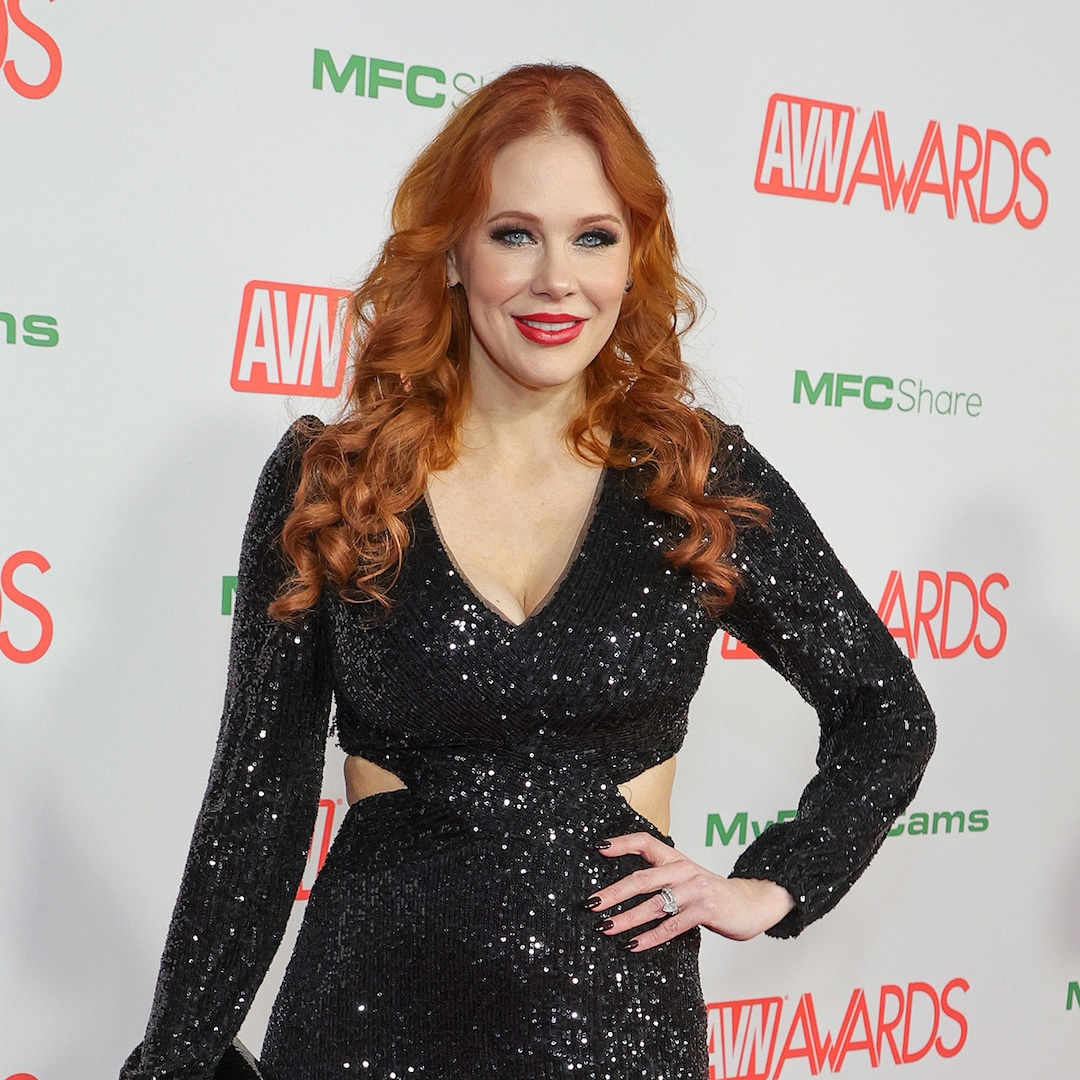
Maitland Ward’s Bold Comparison: Danielle Fishel as the “Regina George” of Boy Meets World
In a playful and unexpected statement, actress Maitland Ward has drawn a bold comparison between her former co-star Danielle Fishel and the iconic character Regina George from the cult classic film *Mean Girls*. This remark has sparked significant discussions among fans and critics alike, prompting reflections on the dynamics of their on-screen characters and the broader implications of such a comparison.
The Context of the Comparison
To fully appreciate Maitland Ward’s comparison, it’s essential to understand the backgrounds of both actresses and their respective roles in their shows. Danielle Fishel portrayed Topanga Lawrence on *Boy Meets World*, a character beloved for her intelligence, strength, and moral compass. In contrast, Regina George, played by Rachel McAdams in *Mean Girls*, is the quintessential high school queen bee, known for her charisma, beauty, and manipulative tendencies.
In an interview, Maitland expressed her thoughts on how Topanga and Regina share certain traits, particularly their strong personalities and the impact they have on their peers. While Regina epitomizes the “mean girl” archetype, Topanga represents a more complex character with depth and growth throughout the series. This nuanced comparison invites viewers to reassess how we perceive female characters in the media.
Understanding Regina George: The Iconic Mean Girl
Regina George has become a cultural touchstone since *Mean Girls* was released in 2004. Her character is often associated with the complexities of teenage social hierarchies and the sometimes toxic nature of female friendships. With her signature catchphrases and unforgettable one-liners, Regina’s character reflects both the allure and the peril of popularity.
- Charisma: Regina’s magnetism draws people in, making her a natural leader.
- Manipulation: Her cunning nature allows her to control social dynamics, often at the expense of others.
- Vulnerability: Beneath her confident facade, Regina reveals insecurities that resonate with many viewers.
These characteristics have sparked conversations about the portrayal of women in media, particularly in how female characters can both empower and undermine each other. Regina’s influence is palpable, leading to discussions about other characters who mirror her traits, including Fishel’s Topanga.
Topanga Lawrence: The Heart of Boy Meets World
Danielle Fishel’s portrayal of Topanga Lawrence on *Boy Meets World* is often regarded as groundbreaking. Topanga is not just a love interest; she is a fully realized character who evolves throughout the series. From her quirky beginnings to becoming a strong, independent woman, Topanga’s journey reflects the complexities of growing up.
- Intelligence: Topanga is academically gifted, often serving as a role model for her peers.
- Empathy: She consistently displays compassion and understanding, making her a beloved figure in the series.
- Growth: Throughout the show, Topanga navigates various challenges, showcasing resilience and personal development.
While Topanga may not fit the traditional “mean girl” mold, Maitland Ward’s comparison suggests that both characters wield significant influence over their social circles. This aspect of their personalities invites viewers to consider the impact of female friendships and rivalries.
Exploring the Dynamics of Female Characters
Maitland Ward’s comparison opens the door to a broader discussion about female representation in media. Women in television and film often find themselves navigating complex relationships with one another. The dynamic between characters like Regina and Topanga reflects the multifaceted nature of female friendships, which can be both supportive and competitive.
Here are some key takeaways from the analysis of these characters:
- Empowerment vs. Manipulation: Female characters often embody a range of traits that can empower or manipulate, creating a rich tapestry of relationships.
- Complexity: Modern audiences are increasingly drawn to characters who display both strengths and flaws, making them relatable.
- Influence: Characters like Regina and Topanga shape the narratives around them, illustrating how women can lead and inspire in different ways.
Fan Reactions and Cultural Commentary
Since Ward’s comments, fans have taken to social media to express their opinions. Some agree with the comparison, highlighting the way both characters leave a lasting impact on their respective series. Others argue that while there are similarities, the differences in their character arcs are significant. This discourse underscores the evolving nature of character analysis in popular culture.
Moreover, the dialogue surrounding Fishel and Ward’s comparison has sparked a renaissance of interest in both *Boy Meets World* and *Mean Girls*. Fans are revisiting these shows and films, reflecting on how they shaped their understanding of friendship, rivalry, and female empowerment.
Legacy of the Characters
Both Regina George and Topanga Lawrence have left indelible marks on pop culture. Regina’s catchphrases and iconic moments have become memes and references in contemporary media, while Topanga’s journey of self-discovery has inspired countless young women. Their legacies continue to influence new generations, demonstrating the power of well-crafted female characters.
As we navigate a media landscape that increasingly values diverse and complex female representations, it is essential to appreciate the nuanced portrayals of characters like Regina and Topanga. Their stories remind us of the importance of understanding the myriad ways women can support or challenge each other.
Conclusion: Embracing Complex Female Narratives
Maitland Ward’s bold comparison of Danielle Fishel to Regina George serves as a catalyst for deeper discussions about female characters in media. By examining the complexities of characters like Topanga and Regina, we gain insight into the diverse narratives that shape our understanding of women’s roles in society. As we celebrate these iconic characters, we also embrace the potential for further growth in the representation of women in film and television.
In summary, the playful yet thought-provoking remark by Maitland Ward not only reignites interest in the beloved series but also invites audiences to reflect on the multifaceted nature of female friendships and rivalries. As we continue to explore these dynamics, we pave the way for richer, more empowering narratives that resonate across generations.
See more CNET Live