
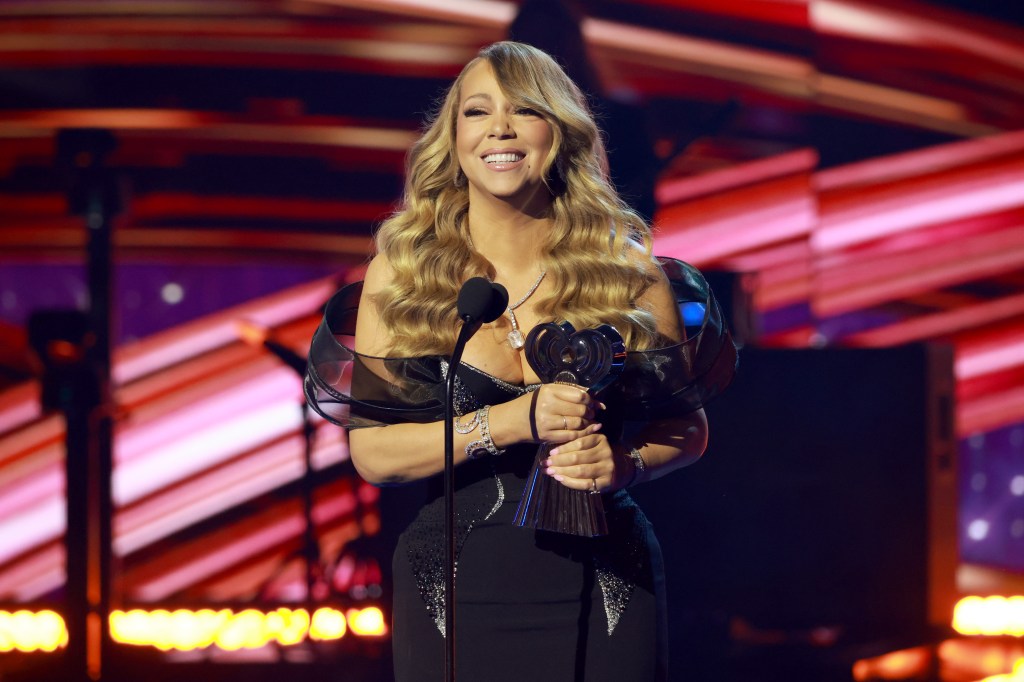
Mariah Carey Triumphs in Landmark Copyright Battle Over Holiday Classic
In a landmark legal decision, Mariah Carey has emerged victorious in her long-standing copyright battle over her beloved holiday classic, “All I Want for Christmas Is You.” This ruling not only reaffirms Carey’s ownership of one of the most iconic songs of the season but also sets a significant precedent for the music industry, particularly in the realm of copyright law. As music copyright claims continue to evolve, this case serves as a pivotal moment that emphasizes the importance of intellectual property rights for artists.
The Background of the Copyright Dispute
Released in 1994, “All I Want for Christmas Is You” quickly became a holiday staple, reaching commercial success that few songs can boast. It has topped charts annually, generating millions in royalties. In recent years, however, the song faced challenges from individuals claiming that they too had ownership rights or that parts of the song were derivative of other works. These claims prompted concerns about the legitimacy of Carey’s copyright, leading to a series of legal battles that could have far-reaching implications for artists everywhere.
The current copyright landscape is fraught with complexity as music becomes increasingly accessible through digital platforms. As the popularity of sampling and remixing grows, so too do the disputes over ownership and originality. Carey’s case exemplifies these challenges, as her song’s monumental success inevitably attracted scrutiny and criticism.
The Legal Victory
After a lengthy legal process, a judge ruled decisively in favor of Mariah Carey, affirming her copyright claims to “All I Want for Christmas Is You.” The court highlighted the originality of the song, crediting Carey and her co-writer, Walter Afanasieff, for their creative contributions. This ruling not only solidifies Carey’s ownership but also serves as a powerful reminder of the importance of protecting artistic works.
Legal experts suggest that this victory may deter future frivolous copyright claims, encouraging artists to pursue their work without fear of unjust litigation. Furthermore, it underscores the necessity for clear copyright laws that can adapt to the evolving music industry landscape.
Implications for the Music Industry
Carey’s triumph in this copyright battle has several implications for the music industry:
- Strengthening Artist Rights: The ruling reinforces the notion that artists have the right to protect their original works from infringement. This outcome may serve as a deterrent to those who might consider making unfounded claims against successful musicians.
- Encouraging Originality: With this victory, artists may feel more empowered to create new works, knowing that their intellectual property will be safeguarded against unjust claims.
- Influencing Future Cases: The precedent set by this case could influence future copyright disputes, providing a framework for how similar cases may be approached in court.
The Response from the Music Community
The ruling has garnered widespread support from fellow artists and music industry professionals. Many have taken to social media to express their congratulations and support for Carey, recognizing the importance of this decision in protecting artist rights. Notably, several musicians have echoed sentiments that this victory is a win for all who create music, emphasizing the need for a strong legal framework to protect creativity.
In addition to industry support, fans of Carey and her music have also celebrated the ruling. Social media platforms have been abuzz with messages of congratulations and joy, highlighting the song’s enduring legacy and its importance to holiday celebrations worldwide. The song has transcended generations, becoming synonymous with the festive season, and this victory reinforces its status as a cherished cultural artifact.
The Broader Context of Copyright in Music
Mariah Carey’s case is just one example of the ongoing challenges artists face in the realm of copyright. As music consumption continues to shift towards streaming and digital formats, copyright issues will become increasingly complex. The rise of user-generated content on platforms like TikTok and YouTube raises questions about how copyrights are enforced and respected in these spaces.
Moreover, the growing trend of sampling and remixing has sparked debates about the boundaries of fair use. Artists often draw inspiration from each other, leading to a blurred line between homage and infringement. This ruling could influence how future cases involving sampling are adjudicated, potentially leading to a more standardized approach to copyright in music.
Conclusion: A Celebration of Artistic Integrity
Mariah Carey’s victory in the copyright battle over “All I Want for Christmas Is You” is not just a personal win for the artist; it is a significant moment for the entire music industry. It reaffirms the importance of protecting artistic works and encourages a culture of respect for creativity. As the industry navigates the complexities of copyright law, this case serves as a beacon for artists, reminding them that their contributions are valuable and deserving of protection.
In a world where music is more accessible than ever, it is crucial that artists stand firm in their rights. Mariah Carey’s triumph is a powerful reminder that creativity should be nurtured and respected, paving the way for future generations of musicians to thrive.
See more CNET Live