
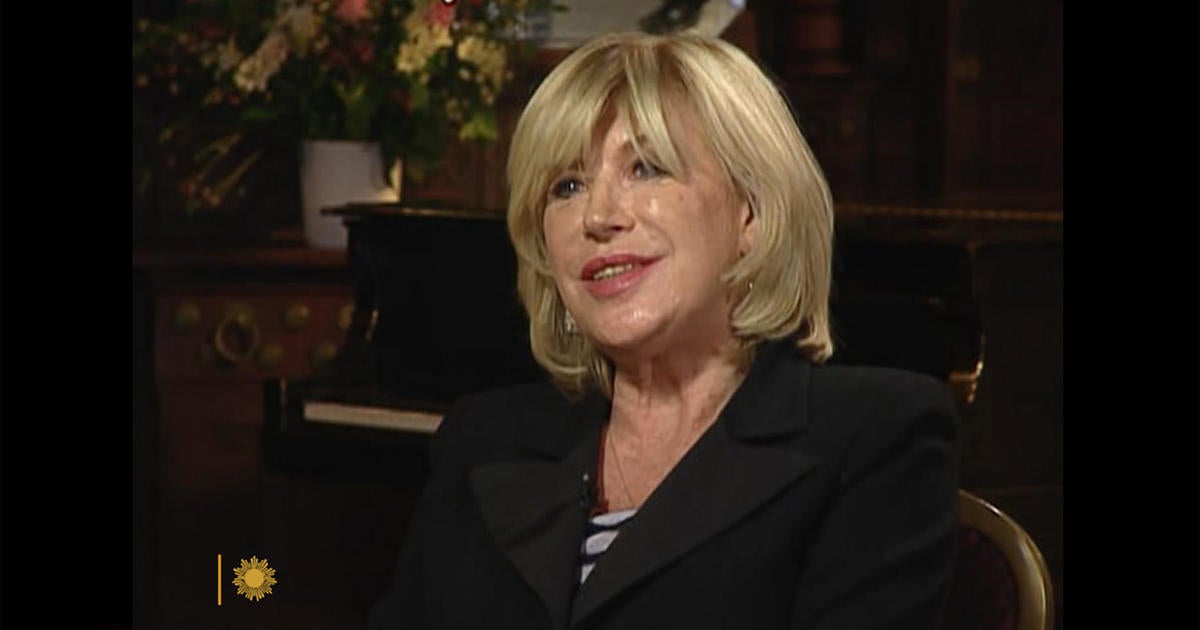
The Unseen Journey: Marianne Faithfull’s Ascent to Iconic Stardom
Marianne Faithfull, a name that resonates deeply within the realms of music and popular culture, embodies the essence of resilience and artistic evolution. Her journey from a young girl in a quaint English town to an international music icon is a compelling narrative marked by trials, triumphs, and an unwavering spirit. This article delves into the unseen journey of Marianne Faithfull, exploring how her experiences shaped her legendary status in the music world and how her artistry and resilience crafted an enduring legacy.
Early Life: A Prelude to Stardom
Born on December 29, 1946, in Hampstead, London, Marianne Faithfull was immersed in a culturally rich environment from a young age. Her mother, a former actress and a member of the aristocracy, instilled in her a love for the arts. Faithfull’s early exposure to literature and music laid the groundwork for her future career. By the age of 16, her unique voice and artistic sensibilities began to attract attention.
In 1964, Marianne’s life took a pivotal turn when she was discovered at a party by Rolling Stones’ manager Andrew Oldham. This encounter led to her signing with Decca Records, marking the start of her professional music career. Her debut single, “As Tears Go By,” written by Mick Jagger, Keith Richards, and Oldham, became a massive hit, propelling her into the limelight and establishing her as a promising young artist.
The mid-1960s heralded a new cultural revolution, and Marianne Faithfull was at the forefront of the music scene. With her ethereal voice and hauntingly poetic lyrics, she captured the hearts of a generation. Hits like “This Little Bird” and “Come and Stay with Me” showcased her distinctive style, blending folk and rock influences in a way that resonated with the counterculture movement.
However, as her fame soared, so did the pressures that accompanied it. The intense scrutiny of the media and the public took a toll on her personal life. Faithfull’s relationship with Mick Jagger became notorious, often overshadowing her artistic achievements. The couple was emblematic of the era’s hedonism, and their tumultuous romance played out in the tabloids, feeding a narrative that often reduced her to merely “Jagger’s girlfriend.”
Trials and Tribulations: A Personal Struggle
As the 1970s approached, Marianne Faithfull faced significant challenges. The pressures of fame, coupled with personal struggles, led her down a path of addiction and despair. Her battle with substance abuse became public, and she found herself alienated from the music industry that had once embraced her. In 1970, she released the critically acclaimed album Broken English, a raw and honest reflection of her struggles, but it was a rocky road back to recovery.
- Overcoming Addiction: Faithfull’s journey through addiction was fraught with pain, but it also became a source of inspiration for her music. The resilience she exhibited in overcoming her struggles is a testament to her strength.
- Rebuilding Her Career: After a prolonged hiatus, she returned to music in the late 1970s, embracing a new sound that blended punk and rock influences. Her ability to adapt and evolve artistically showcased her unwavering spirit.
The Renaissance: A New Chapter
The 1980s marked a renaissance for Marianne Faithfull. With her powerful voice and newfound artistic freedom, she released a series of albums that redefined her career. Her collaboration with artists like Nick Cave and her contributions to film soundtracks, including The Last Tycoon, solidified her status as a versatile performer.
One of her most notable works during this period was the album Strange Weather, released in 1987. This critically acclaimed project featured haunting interpretations of songs, showcasing her ability to convey deep emotion and vulnerability. Faithfull’s artistry had matured, and she was no longer just a pop sensation; she was an icon of resilience and authenticity.
The Legacy: An Enduring Influence
Marianne Faithfull’s ascent to iconic stardom is not merely a tale of fame; it is one of reinvention and perseverance. Her journey embodies the complexities of the human experience, and her music reflects the trials and triumphs that have shaped her. She has inspired countless artists across generations, influencing musicians from diverse genres.
Faithfull’s contributions to music and culture extend beyond her own recordings. She has been a source of inspiration for feminist movements, showcasing the struggles and triumphs of women in the arts. Her candid discussions about addiction, mental health, and personal resilience have paved the way for more open conversations about these critical issues.
Conclusion: The Unseen Journey Continues
As we reflect on the unseen journey of Marianne Faithfull, it is evident that her ascent to iconic stardom was not a straightforward path but a tapestry woven with threads of hardship and triumph. Her resilience and artistry have not only defined her legacy but have also left an indelible mark on the music industry.
Today, Marianne Faithfull stands as a symbol of hope and strength, reminding us that even in the face of adversity, it is possible to rise, reinvent oneself, and inspire others. Her story is a celebration of the human spirit, a testament to the power of art, and a reminder that the journey itself is as important as the destination.
In a world often quick to judge and dismiss, Marianne Faithfull’s life and career remind us of the beauty inherent in struggle, creativity, and the quest for authenticity. Her legacy continues to inspire new generations, proving that the unseen journey can lead to a brilliance that is truly iconic.
See more CNET Live