
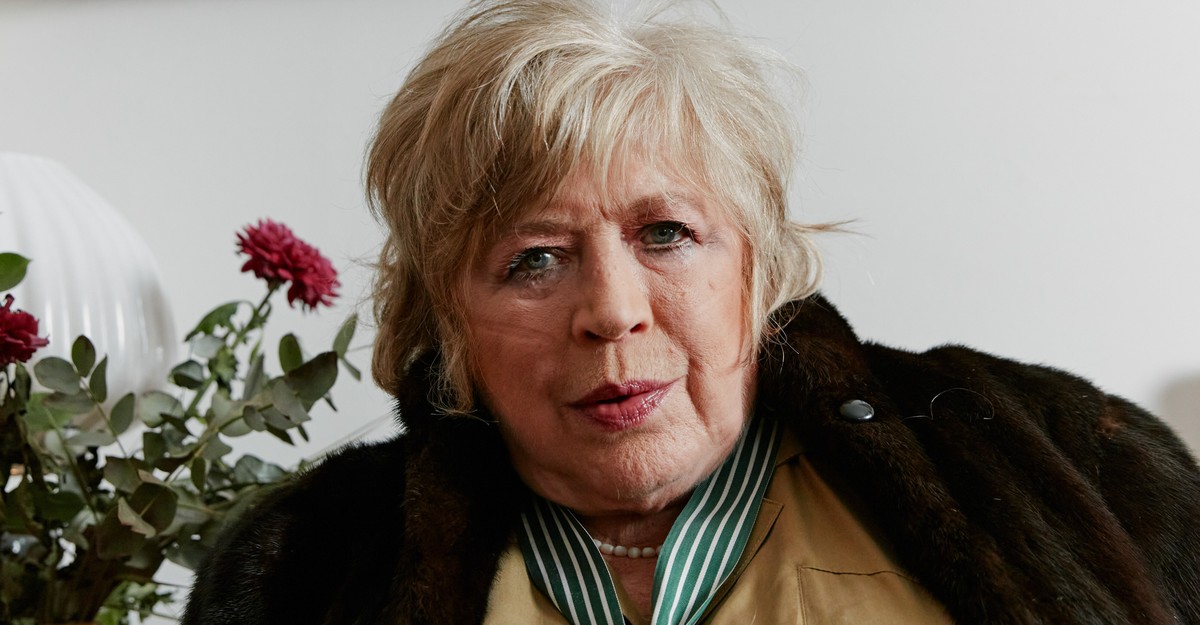
The Enduring Legacy of Marianne Faithfull: A Journey Through Resilience
Marianne Faithfull’s name is synonymous with resilience and transformation. Over the decades, she has navigated the tumultuous waters of fame, addiction, and recovery, leaving an indelible mark on the music industry and popular culture. Her journey is not just a tale of a singer but an exploration of a woman who has faced life’s challenges head-on, emerging stronger and more compelling with each chapter. In this article, we will delve into her remarkable life, examining her music, struggles, and the powerful stories that define her enduring legacy in the arts.
Early Life and Rise to Fame
Born on December 29, 1946, in Hampstead, London, Marianne Faithfull grew up in a culturally rich environment that fostered her artistic inclinations. Her mother was a former actress and a scholar of German literature, while her father was a British Army officer. This backdrop fueled her interest in music and the arts from a young age.
Faithfull’s rise to fame began in the mid-1960s when she was discovered by Rolling Stones’ manager Andrew Oldham. Her haunting voice and ethereal beauty made her an instant sensation. Hits like “As Tears Go By,” written by Mick Jagger and Keith Richards, catapulted her into the spotlight. This song not only showcased her vocal talent but also marked the beginning of a complex relationship with the music scene, particularly with the Rolling Stones.
Musical Evolution and Style
Marianne Faithfull’s music is characterized by its emotional depth and lyrical sophistication. Her unique blend of folk, rock, and pop has evolved over the years, reflecting her personal experiences and the changing landscape of the music industry.
- 1960s: The Sweet Innocence
In her early career, Faithfull embodied the youthful spirit of the ’60s. Songs like “Go Away from My World” showcased her delicate, almost childlike voice. - 1970s: The Dark Descent
As the decade progressed, Faithfull’s life took a darker turn. Struggling with addiction, her music became more introspective, with albums like “Broken English” reflecting her tumultuous experiences. - 1980s and Beyond: The Resilience
Faithfull’s comeback in the ’80s was marked by her critically acclaimed album “Strange Weather.” Her voice, now deeper and more resonant, told stories of survival and strength.
Struggles with Addiction and Personal Challenges
Despite her early success, Faithfull’s life was not without its challenges. The pressures of fame, coupled with personal struggles, led her down a path of addiction. Her relationship with Mick Jagger, while passionate, was fraught with tension and public scrutiny. The late ’60s and early ’70s saw her battling drug addiction, which severely impacted her career.
However, Marianne’s story is one of resilience. After hitting rock bottom in the 1970s, she found the strength to rebuild her life. It was during this period that she began to write and perform music that resonated with her experiences. Her comeback was not just a return to music, but a reclamation of her identity.
Influence on Feminism and Pop Culture
Marianne Faithfull’s influence extends beyond music; she has become a cultural icon and a symbol of female empowerment. Her candidness about her struggles has inspired countless women facing similar challenges. In an era when women were often relegated to the background, Faithfull’s voice and presence demanded attention. She embodied the spirit of the feminist movement, challenging societal norms and expectations.
Her willingness to share her story has sparked conversations about addiction, mental health, and the complexities of fame. Marianne’s lyrics often reflect themes of heartbreak, resilience, and the search for identity, making her a relatable figure for many.
Recent Work and Continued Impact
In recent years, Faithfull has continued to create music that resonates with both old fans and new listeners. Her 2018 album, “Negative Capability,” was met with critical acclaim, showcasing her evolution as an artist and a person. The album features collaborations with renowned musicians and highlights her distinctive voice and poignant storytelling.
Faithfull’s ongoing career is a testament to her resilience. She has embraced her past while looking to the future, proving that it is possible to reinvent oneself and thrive despite life’s challenges. Her commitment to her craft is evident in her performances, where she captivates audiences with her authenticity and emotional depth.
Legacy and Recognition
The enduring legacy of Marianne Faithfull is marked by her contributions to music and culture. She has received numerous accolades throughout her career, including induction into the Rock and Roll Hall of Fame and multiple awards for her albums. Her influence can be seen in the work of many contemporary artists who cite her as an inspiration.
Moreover, Faithfull’s life story has been the subject of documentaries and biographies, further solidifying her status as a cultural icon. Her journey serves as a reminder of the power of resilience and the importance of authenticity in the creative process.
Conclusion: A Testament to Resilience
Marianne Faithfull’s life is a remarkable tapestry woven with threads of triumph, tragedy, and transformation. Her enduring legacy in the arts is a testament to her resilience and unwavering spirit. As she continues to create and inspire, her story reminds us that it is possible to rise from the ashes, redefine ourselves, and leave an indelible mark on the world.
In a rapidly changing landscape, Faithfull stands as a beacon of hope, demonstrating that true artistry comes from embracing one’s journey, no matter how tumultuous. The music of Marianne Faithfull will undoubtedly continue to resonate for generations to come, reflecting the complexities of life and the beauty of resilience.
See more CNET Live