
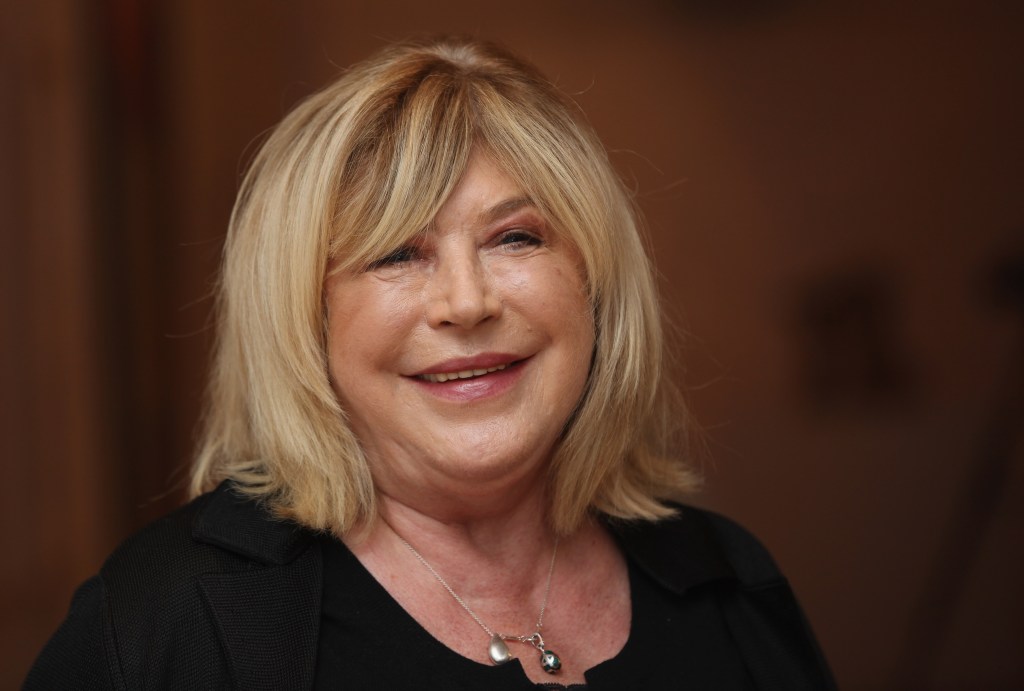
Remembering Marianne Faithfull: The Iconic Voice and Muse of a Generation
Marianne Faithfull, the legendary singer and actress known for her profound influence on music and culture, has passed away at the age of 78. Her legacy as a muse for the Rolling Stones and her unique artistic contributions continue to resonate with fans worldwide. With a career that spanned over six decades, Faithfull was not just a voice but a symbol of rebellion, creativity, and the tumultuous spirit of her time. This article delves into her life, career, and the lasting impact she made on the world of music and beyond.
The Early Years: A Prodigy in the Making
Born on December 29, 1946, in Hampstead, London, Marianne Faithfull was raised in a bohemian environment that nurtured her artistic inclinations. Her mother was an actress, and her father was a British Army officer. This diverse background exposed her to the arts from a young age, allowing her to develop a unique perspective on life and creativity.
Faithfull’s journey into the music industry began in the 1960s when she was discovered at a Rolling Stones concert. Her haunting voice and ethereal presence caught the attention of Mick Jagger and Keith Richards, leading to the release of her debut single, “As Tears Go By,” in 1964. The song became an instant hit, marking her as a rising star in the music scene.
Her Role as a Muse for the Rolling Stones
One of the most significant aspects of Marianne Faithfull’s legacy is her role as a muse for the Rolling Stones. Her relationship with Mick Jagger was not just romantic; it was a creative partnership that inspired some of the band’s most iconic songs. Tracks like “Wild Horses” and “Ruby Tuesday” were imbued with the emotional depth and complexity that Faithfull brought to her interactions with the band.
Faithfull’s influence on the Stones extended beyond mere inspiration; she also collaborated with them artistically. Her unique vocal style and poetic lyrics added a new dimension to their music. The interplay between her voice and Jagger’s became emblematic of the era, capturing the essence of 1960s counterculture.
A Multifaceted Artist
Marianne Faithfull was more than a singer; she was a multifaceted artist whose talents spanned music, film, and theater. Throughout her career, she appeared in various films, including “Girl on a Motorcycle” and “The Last of England,” showcasing her acting prowess. Her ability to convey deep emotions on screen mirrored the raw authenticity she displayed in her music.
In addition to her film career, Faithfull was a talented songwriter. Albums like “Broken English” in 1979 marked a significant turning point in her career, showcasing her evolution as an artist. The title track, “Broken English,” addressed themes of heartbreak, loss, and resilience, resonating with listeners and solidifying her status as a cultural icon.
Confronting Challenges and Resilience
Faithfull’s life was marked by both triumph and adversity. She battled addiction and personal struggles that threatened to overshadow her career. However, her ability to confront these challenges head-on only added to her complexity as an artist. Instead of succumbing to the pressures of fame, she used her experiences as fuel for her art.
Her journey through addiction and recovery became a powerful narrative that she openly shared in interviews and her autobiographies. This candidness resonated with many fans, who admired her strength and vulnerability. She became a voice for those who faced similar struggles, and her story served as a reminder of the importance of resilience in the face of adversity.
An Enduring Legacy
Marianne Faithfull’s impact on music and culture is immeasurable. She inspired countless artists across various genres, from rock to pop to folk. Her unique blend of vulnerability and strength made her a role model for many aspiring musicians and performers. Artists like Adele, PJ Harvey, and Florence Welch have cited Faithfull as a significant influence on their work, demonstrating her lasting relevance in the contemporary music scene.
Moreover, Faithfull’s contributions to feminist discourse cannot be overlooked. She embodied the spirit of the 1960s and 1970s, challenging societal norms and expectations for women in the music industry. Through her music, she addressed issues of love, loss, and empowerment, paving the way for future generations of female artists to express themselves authentically.
Remembering a Cultural Icon
As we remember Marianne Faithfull, it is essential to celebrate her artistic contributions and the legacy she leaves behind. Her voice, filled with emotion and authenticity, will continue to inspire and resonate with audiences for years to come. In a world that often seeks to categorize and limit artists, Faithfull’s refusal to be confined to a single genre or identity stands as a testament to her creativity and individuality.
In conclusion, Marianne Faithfull was more than just a singer; she was an iconic voice and muse of a generation. Her life and career serve as a reminder of the power of art to transcend time and speak to the human experience. As we reflect on her legacy, let us honor the profound impact she had on music, culture, and the lives of those who were fortunate enough to witness her artistry.
Marianne Faithfull may have left this world, but her spirit will forever echo in the songs she sang and the lives she touched. As we listen to her music, we are reminded of the beauty and complexity of life, love, and the enduring power of creativity.
See more CNET Live