
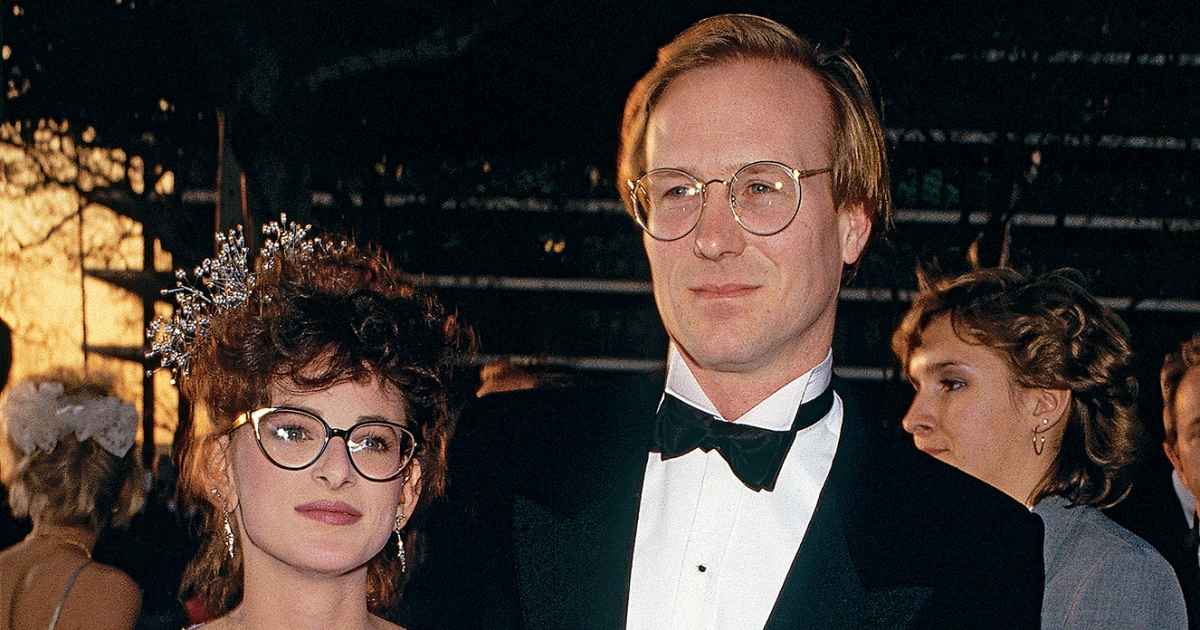
Unveiling the Oscar Moment: Marlee Matlin’s Struggle with Acceptance
Marlee Matlin’s journey to accept her Oscar from William Hurt is as profound as it is iconic. This moment, forever etched in the annals of Hollywood history, is not just about the award itself but also about the emotional tumult that accompanied it. Matlin’s struggle with acceptance sheds light on deeper fears and vulnerabilities, illuminating the complexity of success in an industry that often overlooks the personal battles faced by its stars. In this article, we explore the layers behind Matlin’s Oscar moment, examining the context of her achievements and the broader implications for individuals with disabilities in the entertainment world.
The Historic Oscar Win
In 1987, Marlee Matlin made history by becoming the youngest actress to win an Academy Award for her role in “Children of a Lesser God.” At just 21 years old, Matlin’s performance was groundbreaking, not only for its artistic merit but also for its representation of the deaf community. However, the moment of triumph was fraught with its own challenges.
When Matlin took the stage to receive her Oscar, the weight of that achievement was palpable. While many might assume that winning such a prestigious award would be a purely joyous occasion, Matlin’s experience was layered with complexity. The emotions swirling around her acceptance speech reflected a deep-seated struggle for recognition and acceptance—not just from the industry but also from herself.
The Fear of Visibility
Matlin’s struggle with acceptance is emblematic of a broader fear experienced by many individuals with disabilities: the fear of visibility. In an industry that often prioritizes conventional standards of beauty and ability, Matlin’s very presence as a deaf actress challenged norms. This visibility, while groundbreaking, also brought with it an immense pressure to represent the deaf community accurately and positively.
- Pressure to Perform: With her Oscar win, Matlin felt an obligation to succeed and to be a role model for others with disabilities. This pressure can be overwhelming, leading to anxiety about meeting expectations.
- Fear of Misrepresentation: Matlin expressed concerns about being seen as a token representative rather than a talented actress in her own right. This fear can stifle authenticity and hinder self-acceptance.
The Role of William Hurt
During the Oscar ceremony, the moment when William Hurt presented Matlin with her award is particularly poignant. Hurt, a seasoned actor, was not only a colleague but also someone who shared a deep bond with Matlin, having starred alongside her in “Children of a Lesser God.” His presence on stage was a source of comfort, yet it also underscored the complexities of their relationship.
In the aftermath of the ceremony, Matlin and Hurt’s relationship became a topic of discussion, revealing the intricacies of their connection and the challenges they faced. Matlin has openly discussed the struggles of working in an industry where her disability sometimes overshadowed her talent. The duality of receiving acclaim while grappling with personal insecurities is a reality many artists face.
Breaking Down Barriers
Matlin’s Oscar moment is a powerful reminder of the barriers that still exist in Hollywood. While her win marked a significant milestone, it also illuminated the ongoing challenges faced by actors with disabilities. The representation of disabled individuals in film and television has improved, yet there is still a long way to go.
- Increased Representation: Matlin’s success has paved the way for a new generation of actors with disabilities, including performers like Lauren Ridloff and Danny Woodburn, who are challenging stereotypes and demanding more inclusive storytelling.
- Awareness and Advocacy: Matlin has used her platform to advocate for greater awareness and opportunities for individuals with disabilities, emphasizing the importance of authentic representation in media.
The Personal Journey of Acceptance
Beyond the public narrative, Marlee Matlin’s personal journey toward self-acceptance has been profound. Over the years, she has shared her experiences of struggling with her identity as a deaf actress in a hearing world. Her journey is one of resilience and determination, inspiring many to embrace their own identities.
Matlin’s candid discussions about her fears and insecurities resonate with individuals from all walks of life. She illustrates that acceptance is not a destination but a continuous process. For those with disabilities, the journey to acceptance often involves navigating societal expectations, personal aspirations, and the desire to be seen as more than just a label.
Impact on the Deaf Community
Matlin’s Oscar moment had a ripple effect on the deaf community, serving as a beacon of hope and inspiration. Her visibility in mainstream media brought attention to the talents of deaf actors and the importance of inclusive storytelling. This moment encouraged many aspiring artists to pursue their dreams, knowing that representation matters.
Moreover, it sparked conversations about accessibility in Hollywood and the need for more diverse narratives that reflect the realities of individuals with disabilities. The dialogue surrounding Matlin’s win has laid the groundwork for ongoing advocacy for change within the industry.
The Legacy of Marlee Matlin
As we reflect on Marlee Matlin’s Oscar moment, it becomes clear that her legacy extends far beyond her win. She has become a symbol of resilience, challenging stereotypes and advocating for those who are often marginalized in society. Her journey has inspired countless individuals to embrace their identities and pursue their passions, regardless of the obstacles they face.
In conclusion, Marlee Matlin’s struggle with acceptance, culminating in her Oscar moment, serves as a powerful reminder of the complexities of success and the importance of representation in Hollywood. Her story encourages us to look beyond the accolades and recognize the human experience that underpins every achievement. As we celebrate her legacy, we are reminded that acceptance is a journey worth undertaking—a journey that can empower not only individuals with disabilities but all of us to embrace our authentic selves.
See more CNET Live