
Unraveling the Mystery: Did Martin Short’s ‘SNL50’ Illness Signal a Deeper Curse?
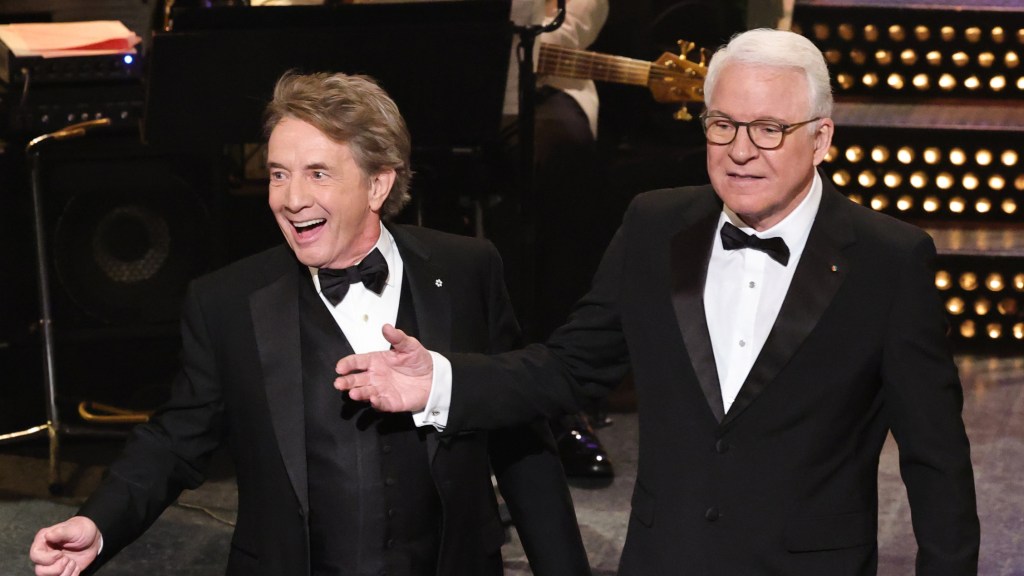
In an unexpected twist during the iconic celebration of ‘SNL50,’ it was revealed by Steve Martin that Martin Short contracted COVID-19. This shocking news not only raised eyebrows but also ignited a deeper conversation about the myriad challenges faced by performers in the spotlight. With the entertainment industry still grappling with the repercussions of the pandemic, this incident serves as a reminder of the fragility of health in a high-pressure environment.
The Context of ‘SNL50’
The ‘Saturday Night Live 50th Anniversary Special’ was a monumental event that celebrated nearly five decades of comedic history. Featuring a star-studded lineup and memorable sketches, the event was designed to highlight the legacy of a show that has shaped American comedy. However, as the world was still navigating the COVID-19 pandemic, the health and safety of performers became a significant concern.
Martin Short, a beloved figure in comedy, was set to join his longtime friend Steve Martin in a special appearance. Their dynamic duo has created countless memorable moments over the years, but this time, the celebration turned into a concern for Short’s health. The revelation that he had contracted COVID during such a pivotal moment not only raised questions about the safety measures in place but also the potential implications for the future of live performances.
The Impact of COVID-19 on Live Performances
Since the onset of the pandemic, the entertainment industry has faced unprecedented challenges. Live performances, once a staple of the industry, were brought to a grinding halt. As venues closed and audiences were kept at bay, performers had to adapt, leading to a rise in virtual events and streaming services. However, as restrictions eased, the return to live performances was met with a mixture of excitement and apprehension.
- Health Protocols: Most events implemented stringent health protocols, including testing, mask-wearing, and social distancing. However, the risk remained, as seen in Short’s situation.
- Performer’s Mental Health: The pressure to perform amidst uncertainty can weigh heavily on entertainers, leading to stress and anxiety.
- Future of Live Events: The fear of illness could deter audiences from attending, impacting ticket sales and the viability of future shows.
Did Martin Short’s ‘SNL50’ Illness Signal a Deeper Curse?
The phrase “deeper curse” might seem dramatic, yet it captures the essence of the struggles faced by performers. For those in the spotlight, the stakes are high, and the pressure to deliver can be overwhelming. Short’s illness during such a high-profile event could symbolize broader issues within the entertainment industry, including:
- Invisibility of Health Risks: COVID-19 may be less visible than other health risks, yet it poses a significant threat, particularly in crowded settings.
- Repercussions on Careers: An illness can derail a career trajectory, especially for performers who rely on live engagements.
- Cultural Expectations: Society often expects entertainers to “power through” their challenges, creating an environment where health concerns are minimized.
The Community’s Response
The revelation of Martin Short’s COVID diagnosis elicited a wave of support from fans and fellow performers alike. Social media platforms became a conduit for messages of hope and encouragement. This communal response reflects a growing recognition of the importance of health, both physical and mental, among entertainers.
Prominent figures in comedy and acting took to their platforms to express solidarity with Short, emphasizing the need for vigilance and understanding in the face of health crises. The entertainment community’s unity during such trying times highlights the importance of collective support and awareness.
Lessons Learned from ‘SNL50’
As we reflect on the ‘SNL50’ celebration and Martin Short’s subsequent COVID diagnosis, several lessons emerge that can guide the future of live performances:
- Prioritizing Health: The health and safety of performers should always come first, necessitating robust protocols that prioritize well-being.
- Adapting to Change: The entertainment industry must remain flexible and willing to adapt to changing circumstances, whether due to health crises or societal shifts.
- Encouraging Open Dialogue: Creating an environment where performers feel comfortable discussing their health concerns is essential for fostering a supportive community.
The Future of Entertainment: A Cautious Optimism
Despite the challenges posed by health issues such as COVID-19, the future of entertainment remains bright. Performers like Martin Short and Steve Martin exemplify resilience and creativity, paving the way for new forms of expression. The lessons learned from incidents like Short’s illness can catalyze positive change within the industry.
As live performances continue to evolve, the emphasis on health and safety is likely to be a cornerstone of the new normal. Audiences and performers alike are becoming more aware of the need for sustainable practices that prioritize not just entertainment, but the well-being of all involved.
Conclusion
In unraveling the mystery behind Martin Short’s ‘SNL50’ illness, we find a narrative that transcends the individual. It becomes a reflection of the collective struggles faced by performers in a world still grappling with the aftereffects of a pandemic. While the challenges are significant, the camaraderie and support within the entertainment community offer a beacon of hope. As we move forward, it is imperative that we learn from these experiences, championing health, adaptability, and open dialogue in the pursuit of a thriving entertainment landscape.
See more CNET Live