
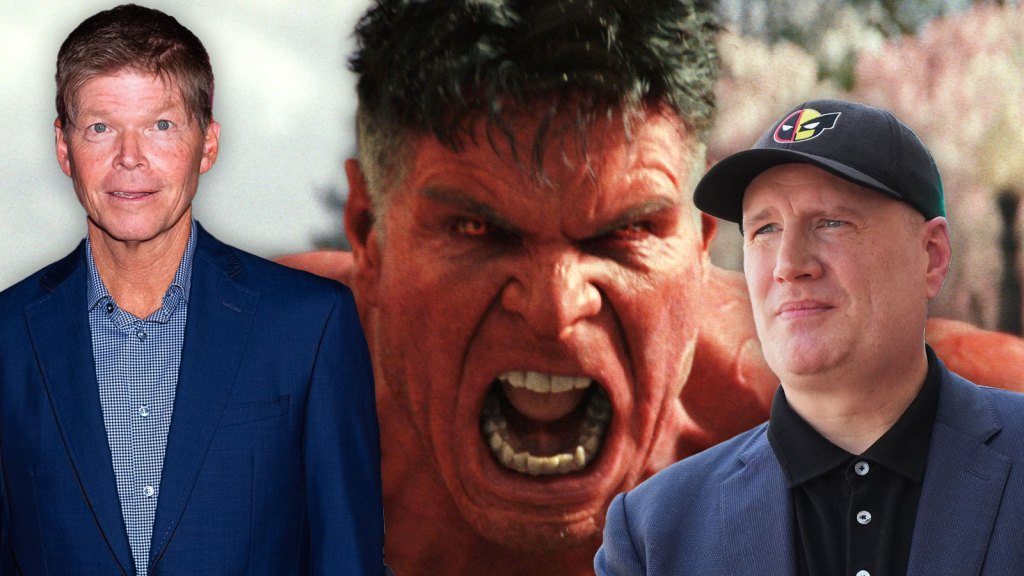
Marvel’s Box Office Dilemma: Is Kevin Feige Running Out of Steam?
In recent years, the Marvel Cinematic Universe (MCU) has become a cultural phenomenon, captivating audiences with its interconnected storytelling and beloved characters. However, the landscape is shifting, and with the underwhelming performance of Captain America: Brave New World, a significant question arises: is Kevin Feige, the mastermind behind the MCU, running out of steam? As the creator of Deadpool suggests a reevaluation of Marvel’s approach, it’s essential to delve into the factors contributing to this box office dilemma and assess the future direction of the franchise.
The Box Office Reality Check
The box office has long been a reliable indicator of a film’s success, and Marvel has enjoyed unprecedented financial triumphs since the launch of the MCU in 2008. However, the recent performance of Captain America: Brave New World has raised eyebrows. The film’s opening weekend did not meet expectations, and analysts are scrambling to understand why a franchise that once dominated the box office is now facing challenges.
Several issues may contribute to this dilemma:
- Oversaturation of Content: With a plethora of films and Disney+ series being released in quick succession, audiences may be experiencing fatigue. Marvel has expanded its universe rapidly, but this may lead to a dilution of brand loyalty.
- Changing Audience Preferences: The tastes of moviegoers are evolving. While superhero films were once a guaranteed draw, the emergence of diverse genres and storytelling styles has given audiences more options, leading to competition for their attention.
- Quality vs. Quantity: Some critics argue that Marvel’s recent offerings lack the narrative depth and originality that characterized earlier phases. The emphasis on interconnected stories may be coming at the expense of standalone quality.
Kevin Feige’s Vision: The Architect of the MCU
Kevin Feige has been instrumental in building the MCU into a multi-billion dollar franchise. His vision has shaped how superhero films are made, blending humor, action, and drama into a cohesive narrative. However, as the franchise grows, so do the challenges associated with maintaining its momentum.
Feige’s leadership style has always been collaborative, relying on a team of writers, directors, and actors to bring stories to life. This approach has led to some of the most iconic moments in cinematic history. Yet, the question remains: can this collaborative spirit adapt to the evolving entertainment landscape? Some industry insiders suggest that a more focused vision may be necessary to steer the franchise back on course.
Calls for Reevaluation
In light of recent box office struggles, voices from within the industry are calling for a reevaluation of Marvel’s strategy. The creator of Deadpool, a character known for breaking the mold of traditional superhero narratives, has urged Feige to consider a fresh approach. This sentiment resonates with many fans and critics who believe that innovation is crucial for the franchise’s survival.
Some potential strategies for rejuvenating the MCU could include:
- Focusing on Character-Driven Stories: Instead of relying solely on interconnected plots, Marvel could benefit from exploring individual character arcs more deeply, allowing for richer storytelling.
- Experimenting with Genres: Embracing different genres beyond the superhero template could attract a broader audience. For instance, incorporating elements of horror or mystery could breathe new life into familiar characters.
- Reducing Release Frequency: Slowing down the pace of releases may give audiences time to digest each installment and rekindle excitement for future projects.
The Role of Nostalgia and Legacy Characters
Another aspect of Marvel’s box office dilemma relates to nostalgia and the legacy of beloved characters. The original Avengers, such as Iron Man and Captain America, have left an indelible mark on the franchise. However, as new characters take center stage, fans may feel disconnected from the evolving narrative.
Marvel must strike a balance between honoring its legacy and forging new paths. Finding ways to integrate legacy characters into new stories without overshadowing newer heroes could be a vital step in maintaining audience engagement.
Fan Engagement and Community Building
In an era where fan engagement is paramount, Marvel has an opportunity to foster a sense of community around its films. Social media platforms have become a powerful tool for studios to connect with audiences, share behind-the-scenes content, and build anticipation for upcoming releases.
Moreover, involving fans in the creative process through surveys or interactive campaigns could enhance their investment in the franchise. By listening to the audience’s desires and feedback, Marvel can adapt its storytelling to better resonate with viewers.
The Future of the MCU: A Hopeful Outlook
Despite the current challenges, the future of Marvel is not without hope. The franchise has a rich history of resilience and innovation, and its ability to adapt has been proven time and again. With the right adjustments and a renewed focus on storytelling, the MCU can reclaim its status as a cinematic powerhouse.
As Kevin Feige continues to lead Marvel into uncharted territory, embracing change may be the key to revitalizing the franchise. By acknowledging the audience’s evolving tastes, exploring new storytelling approaches, and fostering a deeper connection with fans, Marvel can navigate its box office dilemma and thrive once again.
In conclusion, while the underperformance of Captain America: Brave New World has raised questions about Kevin Feige’s approach, it also presents an opportunity for growth and evolution. The MCU has the potential to adapt and flourish, ensuring that it remains a beloved fixture in the cinematic landscape for years to come.
See more CNET Live