
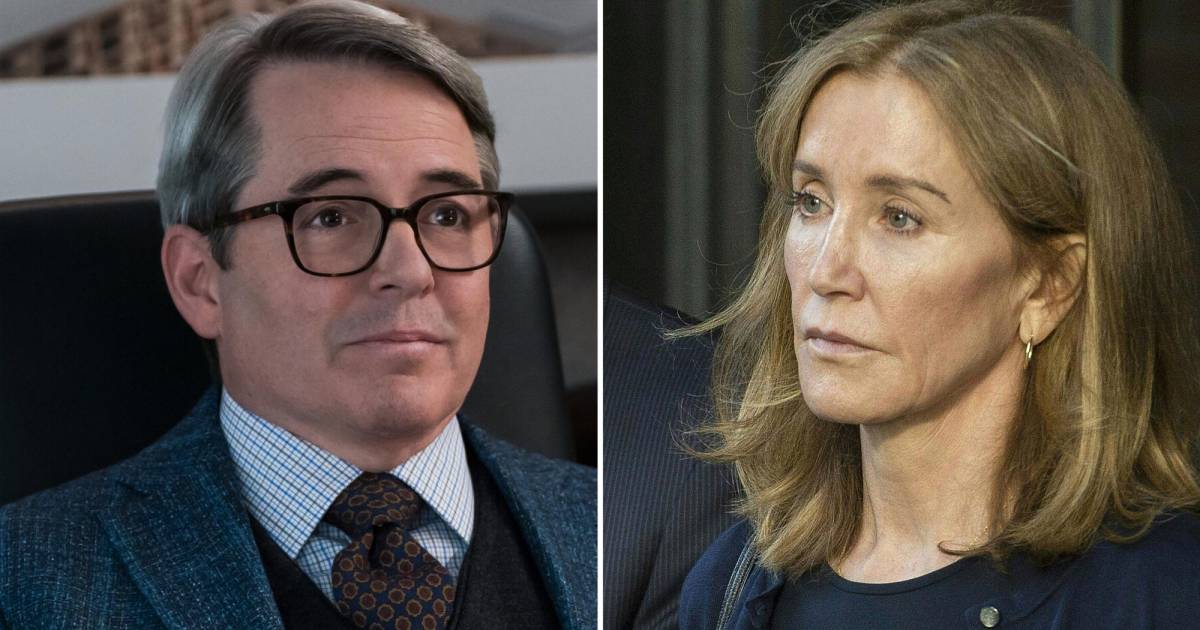
Matthew Broderick’s Subtle Nod to Felicity Huffman’s College Scandal
In the ever-evolving landscape of Hollywood, where stories often intertwine, Matthew Broderick has recently made headlines for referencing the infamous Felicity Huffman college admissions scandal. This unexpected nod not only highlights his wit but also opens the floodgates to discussions surrounding morality and accountability in the entertainment industry. The scandal, which rocked the foundations of college admissions in the United States, left many questioning the ethics of privilege and the lengths to which some will go for their children’s success. Broderick’s subtle acknowledgment serves as a reminder of the complexities that underpin the narratives of our favorite celebrities.
The Background of the Felicity Huffman Scandal
To fully appreciate Broderick’s reference, it’s essential to revisit the details of the scandal that unfolded in March 2019. Felicity Huffman, an acclaimed actress known for her role in “Desperate Housewives,” was implicated in a nationwide scheme orchestrated by college admissions consultant William “Rick” Singer. This scheme involved bribing college officials, falsifying test scores, and even fabricating athletic profiles to secure spots for wealthy students in prestigious universities.
Huffman, alongside other prominent figures, was charged with conspiracy to commit mail fraud and honest services mail fraud. Ultimately, she served 11 days in prison after pleading guilty, a sentence that many viewed as too lenient given the broader implications of the scandal. Her involvement sparked outrage and discussions regarding the privilege afforded to the affluent in the educational system.
Matthew Broderick’s Reference: An Unveiling of Hollywood’s Interconnectedness
In a recent interview, Broderick made a quip that seemed to echo the sentiments surrounding the college admissions scandal. While he didn’t directly name Huffman, his comments hinted at the absurd lengths to which parents might go to secure their children’s futures. This clever nod not only showcased Broderick’s comedic timing but also reflected a deeper understanding of the implications of such scandals in Hollywood.
Broderick’s reference invites an exploration of the broader implications of privilege in the entertainment industry. In a world where celebrity status often affords individuals certain advantages, the scandal serves as a stark reminder of the ethical dilemmas faced by those in the limelight. It raises questions about accountability, transparency, and the moral responsibilities of public figures.
The Impacts of the Scandal on Hollywood
The fallout from the college admissions scandal has been profound, affecting not only those directly involved but also the broader perceptions of Hollywood elites. Here are some key impacts:
- Public Perception: The scandal has led to a significant shift in how the public views celebrities, particularly those who leverage their wealth and influence. Many now regard them with a more critical eye, questioning their integrity.
- Increased Scrutiny: With the media spotlight shining brightly on the entertainment industry, celebrities are now more aware than ever of the potential consequences of their actions. This heightened scrutiny can lead to a more cautious approach in their public and private lives.
- Dialogue on Privilege: The scandal has sparked conversations about privilege and the systemic issues surrounding education in the U.S. It has prompted discussions about equal access and the ethical implications of wealth in academic admissions.
- Changes in Industry Practices: In response to the scandal, some institutions have begun reviewing and altering their admissions processes to ensure greater transparency and fairness.
Morality and Accountability in the Entertainment Industry
Broderick’s reference to the scandal encapsulates a significant theme in Hollywood: the intersection of morality and accountability. As public figures, actors and actresses wield considerable influence over societal norms and values. When scandals arise, they often reflect deeper societal issues. Here’s a closer look at the moral questions raised:
1. The Role of Privilege
One of the most pressing questions stemming from the college admissions scandal is the role of privilege in achieving success. In Hollywood, where the line between talent and privilege can often blur, Broderick’s nod serves as a reminder that wealth does not equate to merit. This reality can lead to feelings of disillusionment among aspiring actors and actresses who may not have the same financial backing.
2. Ethical Responsibilities
As public figures, celebrities have a platform that can be used for advocacy and to influence positive change. When they become embroiled in scandals, it raises the question of their ethical responsibilities. Should they use their influence to address issues of inequality, or does their celebrity status shield them from the repercussions of their actions?
3. Accountability to the Public
In an era where social media amplifies voices, celebrities are increasingly held accountable for their actions. Broderick’s subtle reference highlights a growing expectation for transparency and accountability within the entertainment industry. The public is no longer willing to overlook unethical behavior, and this shift could lead to more significant changes in how celebrities navigate their careers.
Conclusion: A Call for Reflection
Matthew Broderick’s subtle nod to Felicity Huffman’s college admissions scandal serves as a poignant reminder of the complexities surrounding morality and accountability in Hollywood. As the entertainment industry continues to grapple with the implications of privilege, it becomes crucial for public figures to reflect on their actions and the messages they send to their audiences.
The connection between Broderick and Huffman opens the door for broader discussions about ethics in the entertainment industry and the societal responsibilities that come with fame. As we continue to unravel the narratives woven within Hollywood, it’s essential to foster a culture of accountability and integrity, ensuring that the lessons learned from scandals like this one resonate for years to come.
Ultimately, the intertwining stories of celebrities remind us that while they may live in a world of glamour, they are also subject to the same moral dilemmas we all face. Their choices can have lasting impacts, not just on their lives but also on the society that watches and idolizes them. As audiences, it’s our responsibility to engage with these narratives critically and advocate for a more equitable and just world.
See more CNET Live