
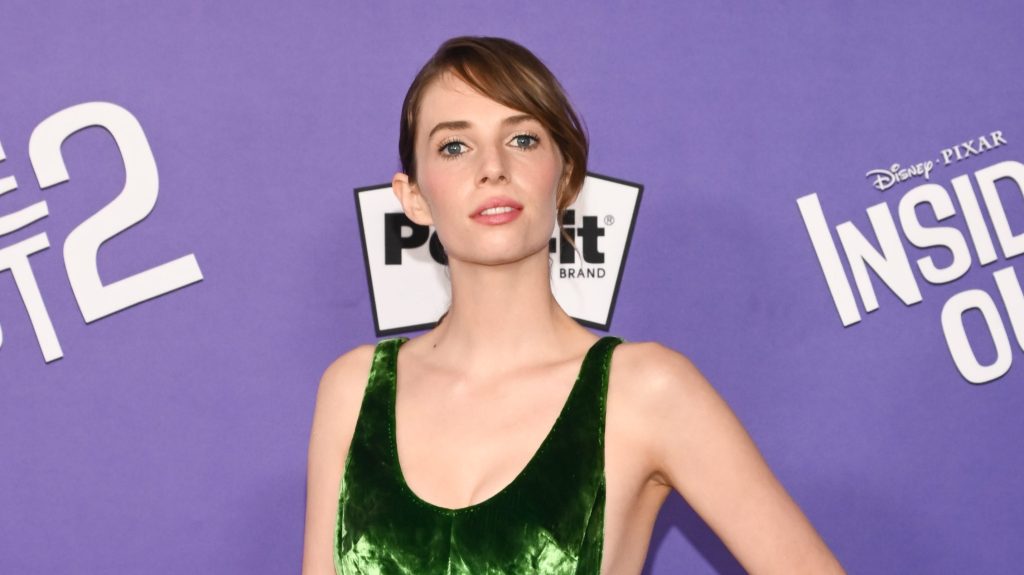
Maya Hawke’s Bold Revelation: The Unsettling Advice That Sparked Controversy
In an industry long plagued by unrealistic beauty standards and narrow perceptions of femininity, actress Maya Hawke’s recent revelation has stirred considerable discussion. During a candid interview, she recounted an unsettling encounter with a producer who suggested that she looked “prettier” when she was silent. This comment not only raises eyebrows but also invites deeper reflection on the expectations placed on women in Hollywood. As a platform where talent and beauty are often conflated, these types of remarks highlight the pressures women face in their careers and the implications for their self-worth and identity.
The Encounter: Context and Impact
Maya Hawke, known for her roles in hit series like Stranger Things and her burgeoning film career, shared this experience during a promotional interview for her latest project. The producer’s comment came as part of a broader conversation about her on-screen presence and how it can be perceived by audiences and industry insiders alike. While Hawke’s poise and professionalism in the face of such a comment is commendable, the implications of this advice are far-reaching.
Hawke’s assertion that silence equates to beauty contradicts the very essence of acting, a profession rooted in expression and communication. It highlights a troubling trend in which women are often valued more for their looks than their voices or talents. This situation brings to light the larger issue of how women are often pressured to conform to traditional, often patriarchal, narratives about femininity.
Industry Standards and Gender Norms
The advice given to Hawke aligns with a long-standing pattern in Hollywood where women are frequently judged by their appearance rather than their abilities. This phenomenon is not new; countless actresses have faced similar experiences where their worth is scrutinized based on how they present themselves visually, rather than the depth of their performances. Such standards perpetuate a cycle of self-doubt and insecurity among women in the industry, leading many to feel they must fit into a specific mold to succeed.
- Historical Context: The film industry has a history of promoting certain beauty ideals, often favoring youthfulness and conventional attractiveness.
- Female Representation: Women in film and television are often relegated to roles that emphasize their appearance, overshadowing their professional capabilities.
- Self-Expression: The pressure to remain silent or subdued to be perceived as ‘pretty’ limits the authenticity of characters and stories being told.
This troubling advice also raises questions about the narratives that are being shaped in Hollywood. When producers and executives prioritize appearance over talent, they contribute to a culture that undervalues female voices and stifles creative expression. Hawke’s experience serves as a poignant reminder that the industry must evolve to embrace diverse representations of women—ones that celebrate strength, complexity, and individuality.
The Broader Conversation: Women’s Voices in Hollywood
The entertainment industry is undergoing a transformation. There is a growing demand for stories that showcase women not only as objects of beauty but as fully realized individuals with agency. This shift is being driven by a new generation of filmmakers, writers, and actors who are determined to redefine the narrative.
In light of Hawke’s revelation, many advocates are calling for increased awareness and sensitivity toward the language used in the industry. The expectation that women should be silent to be deemed attractive is not just an isolated incident; it reflects a pervasive cultural norm that needs to be challenged.
Empowerment Through Artistry
Maya Hawke’s bold revelation serves as a catalyst for discussions about empowerment in the arts. The notion that women can—and should—speak their minds without fear of judgment is crucial for fostering an inclusive environment in Hollywood. When women are encouraged to be vocal, they can contribute to more dynamic storytelling and character development.
Moreover, Hawke’s commitment to her craft emphasizes the importance of authenticity. For many actresses, embracing their true selves is a form of resistance against the industry’s unrealistic standards. By sharing her experiences, Hawke inspires others to speak out against similar instances of undermining comments and to advocate for a culture that values women for their talents, intellect, and voices.
Supporting Change: What Can Be Done?
As discussions surrounding Maya Hawke’s experience continue, it becomes essential to consider actionable steps that can be taken to support change within the industry:
- Advocacy for Diversity: Support initiatives that promote diverse stories and representation in film and television. Engage with content that showcases multifaceted female characters.
- Education and Awareness: Encourage workshops and training for industry professionals about gender sensitivity and the impact of language on women’s self-perception.
- Supporting Women Creators: Invest in projects led by women, whether as directors, writers, or producers, to amplify their voices and stories.
By fostering a culture that embraces diversity and challenges outdated norms, the industry can create a more equitable environment for all artists. Maya Hawke’s experience is just one example of the broader issues that women face in Hollywood, but it serves as an important reminder of the work that still needs to be done.
Conclusion: A Call to Action
Maya Hawke’s bold revelation regarding the unsettling advice she received has sparked an important conversation about the pressures women face in Hollywood. As the industry continues to evolve, it is crucial for audiences and industry professionals alike to advocate for change. By supporting diverse narratives and encouraging women to express themselves fully, we can help cultivate an environment where talent is valued over appearance, and every voice has the opportunity to be heard.
As we reflect on Hawke’s experiences, let us remember that the journey towards equity in Hollywood is ongoing, and every step taken towards empowering women is a step towards a more inclusive and vibrant industry.
See more CNET Live