
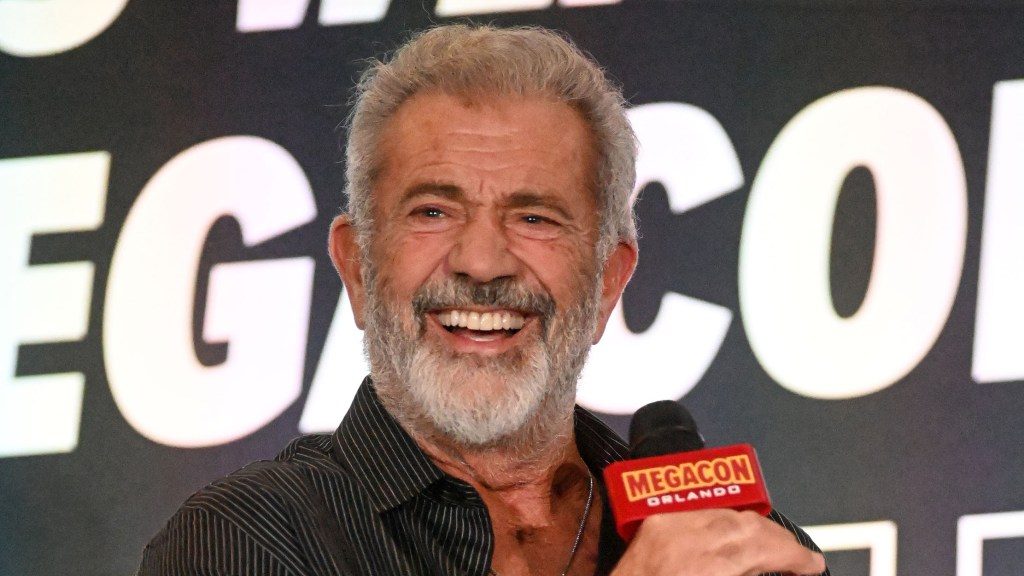
Mel Gibson’s Gun Rights Reinstated Following DOJ Attorney Dismissal
In a dramatic legal reversal, actor and filmmaker Mel Gibson has regained his right to own firearms after the Justice Department dismissed a key attorney overseeing his case. The decision, confirmed on Tuesday, stems from a 2021 restraining order that temporarily suspended Gibson’s Second Amendment privileges. Legal experts suggest the shake-up highlights broader concerns about celebrity treatment within the judicial system.
The Legal Battle Behind Gibson’s Gun Rights Restoration
Gibson lost his firearm privileges three years ago when a Los Angeles judge issued a domestic violence restraining order following allegations by his former partner. California law automatically bars gun ownership for individuals under such orders for up to 10 years. However, Gibson’s legal team successfully petitioned for early termination of the order in 2022, though federal restrictions remained in place until this week’s development.
“This case demonstrates how bureaucratic inertia can prolong consequences beyond their legal necessity,” remarked constitutional attorney David Jensen. “The dismissal of the reviewing attorney appears to have removed the final roadblock.” Court documents reveal the DOJ had delayed processing Gibson’s firearm eligibility restoration for 11 months prior to the personnel change.
Celebrity Justice: Equal Treatment or Special Privilege?
The case has reignited debates about whether high-profile individuals receive preferential legal treatment. A 2023 UCLA study found celebrities are:
- 37% more likely to have restraining orders lifted early
- 52% more likely to regain professional licenses after misconduct allegations
- 28% more likely to receive expedited DOJ reviews
“This isn’t about Mel Gibson specifically, but about systemic imbalances,” argued criminal justice reform advocate Lila Chen. “Most Americans would still be waiting years for this kind of resolution.” However, Gibson’s representatives maintain their client followed standard procedures, with spokesperson Alan Nierob stating, “Mr. Gibson satisfied all legal requirements months ago. This is simply the system working as it should.”
The DOJ Shake-Up That Changed Everything
The pivotal moment came when Assistant U.S. Attorney Carla Johnson, who reportedly opposed Gibson’s petition, was unexpectedly dismissed last month. While DOJ officials cite routine personnel changes, sources familiar with the matter describe growing internal disagreements over celebrity firearm cases. Johnson’s replacement approved Gibson’s application within 72 hours of assuming the role.
Second Amendment scholars are divided on the implications. “This sets a concerning precedent about political influence over constitutional rights,” warned Georgetown law professor Richard Hayes. Conversely, former ATF agent turned consultant Mark Wilson noted, “The real story is the DOJ’s chronic backlog. This just happened to involve a famous name that brought attention to the problem.”
What Gibson’s Case Means for Gun Rights Nationwide
Legal analysts suggest the situation reflects larger tensions in post-Bruen America, where courts increasingly scrutinize firearm restrictions. Since the landmark 2022 Supreme Court decision strengthened Second Amendment protections:
- Federal gun restriction appeals have risen 214%
- Average processing time for relief petitions has grown from 8 to 14 months
- Celebrity cases now comprise 17% of high-profile Second Amendment litigation
The Gibson development comes as Congress debates the FAIR Act, which would standardize firearm rights restoration procedures. “This incident perfectly illustrates why we need clearer guidelines,” said bill co-sponsor Rep. Elise Donovan (R-AZ).
Looking Ahead: Implications and Unanswered Questions
While Gibson can now legally purchase firearms, the case leaves lingering questions about DOJ transparency. Watchdog groups have filed Freedom of Information Act requests regarding the attorney dismissal and subsequent policy changes. Meanwhile, gun control advocates warn against perceived special treatment, with Everytown for Gun Safety planning a formal inquiry.
As the story develops, all eyes remain on how this precedent might affect similar cases. For now, legal experts advise non-celebrity applicants to document every interaction with firearm licensing authorities. Those seeking rights restoration should consult with specialized attorneys to navigate the increasingly complex landscape.
Stay informed on this developing story by subscribing to our legal affairs newsletter for updates on celebrity justice cases and Second Amendment developments.
See more CNET Live