
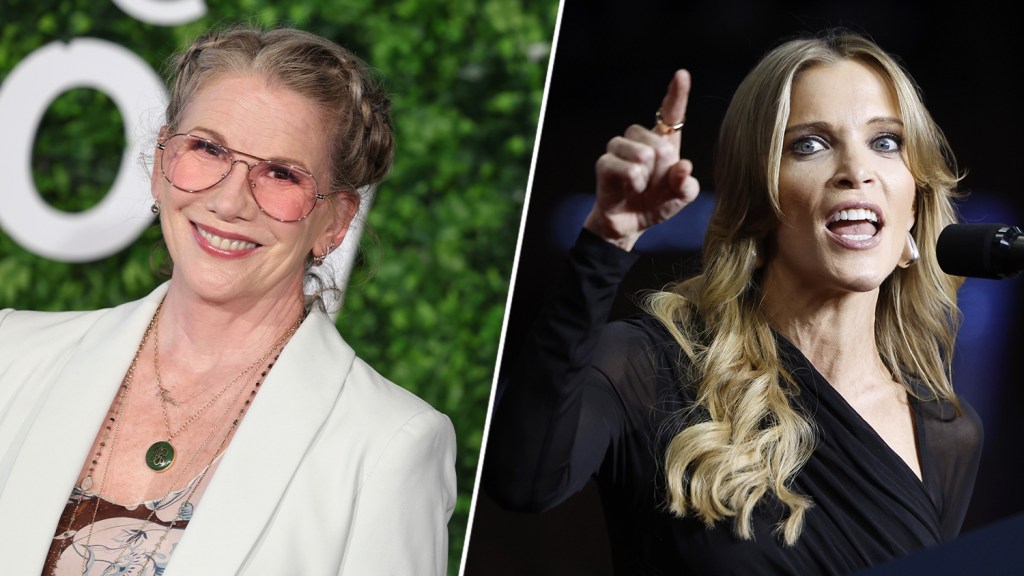
Melissa Gilbert Responds to Megyn Kelly’s Critique of Netflix’s ‘Little House’ Reboot
In a recent exchange that has captured the attention of both fans and critics, Melissa Gilbert, the beloved actress known for her role as Laura Ingalls Wilder in the original “Little House on the Prairie” series, has responded to Megyn Kelly’s critique of the Netflix reboot. Kelly’s concerns about the inclusion of “woke” elements in the new adaptation have sparked a broader conversation about the relevance of the show’s themes in today’s society. Gilbert, in her heartfelt response, encourages viewers to revisit the original stories, suggesting that their messages of resilience, family, and community resonate just as powerfully today as they did when they first aired.
Understanding the Critique: Megyn Kelly’s Perspective
Megyn Kelly’s critique of the Netflix reboot points to what she perceives as a shift towards overly progressive themes that detract from the original spirit of “Little House on the Prairie.” Kelly, a prominent media personality and former news anchor, articulated her concerns during a segment on her show, arguing that the new adaptation seems to prioritize contemporary social issues over the timeless storytelling that characterized the original series.
This critique has ignited a debate about the nature of adaptations in the current cultural climate. Kelly suggests that while it’s important to acknowledge societal changes and issues, the core of storytelling should remain intact. She fears that the reboot may alienate fans of the original series who cherished its simplicity and moral lessons.
Melissa Gilbert’s Response: Embracing Change and Context
In her response, Melissa Gilbert expressed her appreciation for Kelly’s perspective while advocating for a more nuanced understanding of adaptations. Gilbert emphasized that the original “Little House on the Prairie” series was itself a product of its time, addressing issues such as poverty, racism, and gender inequality—topics that remain relevant today. She invites viewers to reconsider how these themes are portrayed in the reboot and argues that modern interpretations can breathe new life into classic stories.
“The world has changed significantly since the original series aired,” Gilbert stated. “And while we can honor the past, we also need to engage with the present. This reboot has the potential to reflect the challenges and triumphs of today’s society, just as the original did in its time.”
The Importance of Context in Storytelling
One of the key elements of storytelling is its ability to adapt to the times. Just as Charles Dickens addressed the social issues of Victorian England through his characters, modern adaptations can highlight contemporary struggles and victories. Gilbert’s call to revisit the reboot encourages audiences to appreciate how stories can evolve while retaining their foundational messages.
In this context, it’s worth considering the following:
- Historical Relevance: The original stories were rooted in the real-life experiences of Laura Ingalls Wilder, reflecting the challenges faced by families on the American frontier. Contemporary adaptations can explore similar themes through a modern lens.
- Social Commentary: Today’s audiences are more aware of social justice issues, and adaptations can serve as a platform for dialogue about these matters, encouraging viewers to think critically about their world.
- Inclusivity: Modern storytelling often seeks to include diverse voices and perspectives, which can enrich the narrative and make it more relatable to a wider audience.
Revisiting the Original: Themes That Resonate
For many, “Little House on the Prairie” is not just a nostalgic series; it represents themes of resilience, community, and the enduring strength of family bonds. Gilbert encourages viewers to revisit the original series, highlighting how its messages remain relevant. Here are some themes that stand out:
- Resilience: The characters frequently face adversity, teaching audiences about perseverance and strength in the face of challenges.
- Community: The importance of supporting one another during tough times is a central theme, reflecting the significance of community ties.
- Family Values: The series emphasizes the role of family in shaping individual identities and values, an aspect that continues to resonate.
What Does This Mean for Future Adaptations?
As the entertainment landscape continues to evolve, the conversation around adaptations like the Netflix reboot of “Little House on the Prairie” is crucial. It serves as a reminder that while nostalgia holds power, storytelling must also reflect the world we live in. This dynamic balance between honoring the past and embracing the present can lead to richer narratives that resonate with new generations.
Melissa Gilbert’s response to Megyn Kelly’s critique opens the door for discussions on how classic stories can adapt without losing their essence. It reinforces the idea that stories are living entities, capable of change and growth, just like the societies they depict.
Conclusion: A Call to Action for Viewers
As the discourse surrounding the “Little House” reboot continues, both fans and critics are encouraged to engage with the material thoughtfully. Melissa Gilbert invites everyone to not only watch the reboot but to also revisit the original series with fresh eyes. By doing so, viewers can appreciate the timeless lessons woven into the fabric of these stories and reflect on how they apply to today’s world.
In an era where storytelling can both entertain and enlighten, the legacy of “Little House on the Prairie” remains a vital part of our cultural narrative. As discussions about its reboot unfold, let us celebrate the enduring power of stories to connect us across generations, bridging the gaps between our past and present.
See more CNET Live