
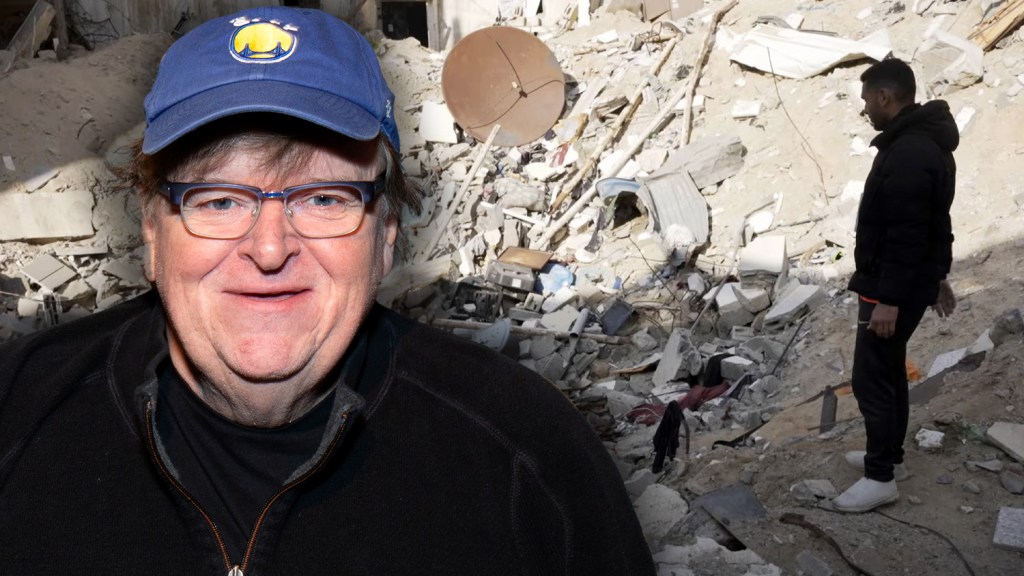
Michael Moore Unveils Insights on Palestinian Film and the U.S. Distribution Dilemma
In a recent candid discussion, renowned filmmaker Michael Moore shared his insights on the Palestinian film “From Ground Zero,” illuminating the intricate challenges of distribution and the pervasive issue of self-censorship within the U.S. film industry. This marks Moore’s return to filmmaking after a seven-year hiatus, a period during which he has reflected deeply on the evolving landscape of cinema and activism. His thoughts resonate not only with the current state of political discourse but also with the broader implications for artistic expression in a climate fraught with tension.
The Significance of “From Ground Zero”
“From Ground Zero” is a poignant film that explores the Palestinian experience, delving into themes of conflict, resilience, and the quest for identity amidst adversity. The film has garnered attention for its raw portrayal of life in Palestine, offering viewers an intimate look at the struggles faced by its people. Moore’s endorsement of the film highlights his commitment to amplifying marginalized voices in cinema.
During his discussion, Moore emphasized the importance of such narratives in fostering understanding and empathy, particularly in a world that often oversimplifies complex issues. He argued that films like “From Ground Zero” serve as essential tools for education and awareness, challenging dominant narratives that may perpetuate misunderstanding.
Challenges of Distribution
One of the most pressing issues that Moore addressed was the daunting challenge of film distribution in the United States, particularly for international and politically charged films. He pointed out that even with a powerful story, securing a distribution deal can be an uphill battle. The U.S. film market is predominantly driven by commercial interests, with many distributors hesitant to take on projects that might alienate certain audiences or provoke controversy.
- Limited Platforms: Many independent films struggle to find platforms for release, particularly those that tackle sensitive subjects like the Israeli-Palestinian conflict.
- Self-Censorship: Filmmakers may feel pressured to tone down their narratives to make them more marketable, which can dilute the original message of the film.
- Cultural Sensitivity: Distributors often avoid films that might challenge prevailing cultural or political narratives due to fear of backlash.
Moore’s observations reflect a broader concern within the industry: the tension between artistic integrity and market viability. This dilemma can lead to a homogenization of content, where only the safest, least controversial stories make it to screens, ultimately depriving audiences of diverse perspectives.
Self-Censorship in the Film Industry
Self-censorship is another critical issue that Moore delved into during his discussion. He noted that many filmmakers, particularly those dealing with politically charged topics, often second-guess their creative choices out of fear of backlash from audiences, distributors, or even government entities. This phenomenon can stifle creativity and lead to a less vibrant cinematic landscape.
Moore’s own experiences have shown him the consequences of self-censorship. He recounted instances where he felt compelled to alter his work for fear of negative reception. This realization has fueled his commitment to supporting projects that push boundaries and challenge the status quo, like “From Ground Zero.”
The Importance of Diverse Narratives
In an era where social media and streaming platforms have democratized content creation and distribution to some extent, the need for diverse narratives has never been more urgent. Moore highlighted that while traditional distribution channels remain challenging, filmmakers now have alternative options to reach audiences directly.
- Streaming Platforms: Services like Netflix and Amazon Prime have begun to feature international films more prominently, providing a wider audience access to diverse stories.
- Social Media: Platforms like YouTube and Instagram allow independent filmmakers to share their work without the constraints of traditional distribution models.
- Film Festivals: Festivals provide an essential venue for filmmakers to showcase their work and connect with audiences who are eager for authentic storytelling.
Moore believes that these avenues present an opportunity for filmmakers to bypass traditional barriers and engage directly with viewers, fostering a greater appreciation for underrepresented stories. This shift could reshape the filmmaking landscape, allowing for a more diverse array of voices and perspectives.
Reflections on Activism and Cinema
As Moore returns to the filmmaking arena, he reflects on the evolving relationship between activism and cinema. Throughout his career, he has used film as a platform for social change, believing in its power to inspire, educate, and mobilize. The return to filmmaking after a hiatus has rekindled his passion for storytelling, especially in contexts that demand urgent attention.
Moore’s dedication to activism is evident in his support for films like “From Ground Zero,” which not only tell compelling stories but also challenge audiences to confront difficult realities. He sees cinema as a vital tool for social justice, capable of bridging divides and fostering dialogue among disparate communities.
The Future of Film and Activism
Looking ahead, Moore is optimistic about the potential for change within the film industry. He envisions a future where filmmakers can create without fear of censorship and where diverse stories can thrive. The ongoing dialogue about distribution challenges and self-censorship is crucial to achieving this vision.
In conclusion, Michael Moore’s insights on the Palestinian film “From Ground Zero” and the U.S. distribution dilemma underscore the pressing challenges faced by filmmakers today. By championing projects that highlight underrepresented voices and advocating for a more inclusive cinematic landscape, Moore continues to inspire both filmmakers and audiences alike. As he embarks on this new chapter in his career, his commitment to activism through film remains unwavering, proving that storytelling is not just an art form, but also a powerful vehicle for change.
See more CNET Live