
Unveiling the Haunting Power of Microbudget Cinema
In an era where big-budget blockbusters dominate the cinematic landscape, microbudget films are emerging as powerful contenders, particularly in the horror genre. One such film, “Presence,” a microbudget ghost story, has captivated audiences and critics alike with its chilling narrative and innovative approach to filmmaking. This article delves into how “Presence” exemplifies the haunting power of microbudget cinema and explores the broader implications of low-budget films making significant marks in the industry.
The Allure of Microbudget Filmmaking
Microbudget cinema refers to films produced with budgets typically under $250,000. These projects often rely on creativity, resourcefulness, and a passion for storytelling rather than vast financial resources. The allure of microbudget filmmaking lies in its ability to break conventional norms and explore unique narratives that mainstream films might overlook.
In recent years, filmmakers have utilized microbudgets to push the boundaries of creativity, enabling them to craft compelling stories without the constraints often imposed by larger studios. This trend has led to a resurgence in interest for ghost stories, a genre that thrives on atmosphere, character-driven narratives, and psychological tension rather than special effects and extravagant sets.
“Presence”: A Case Study in Microbudget Horror
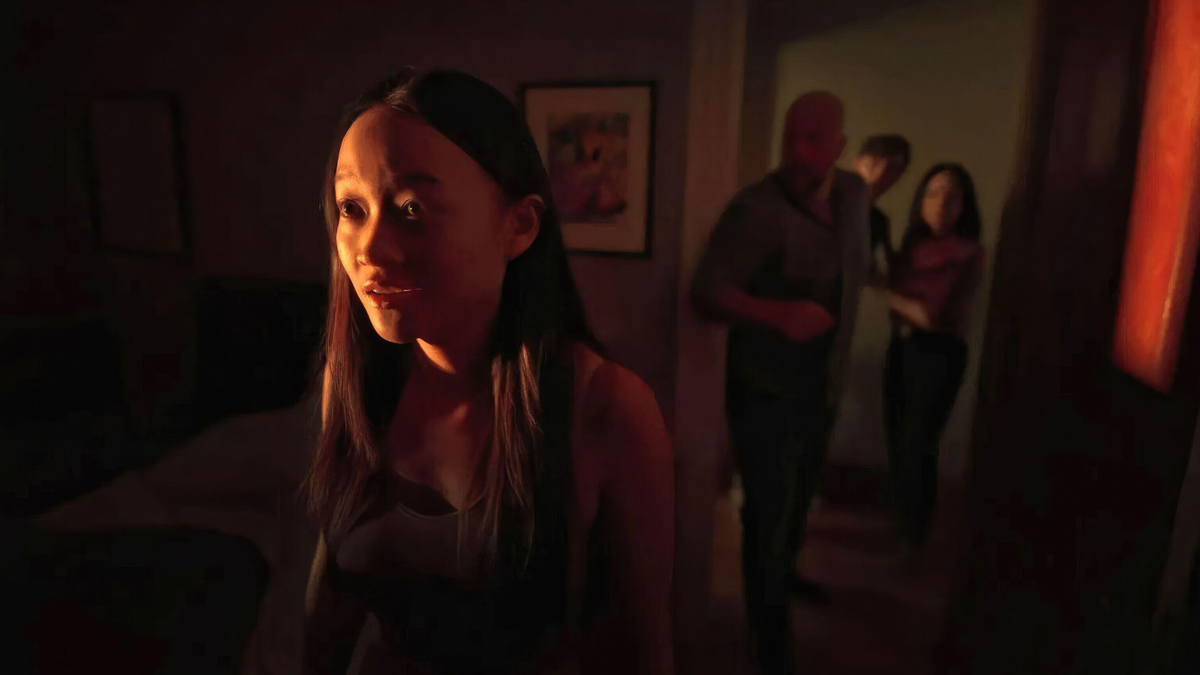
“Presence,” directed by a talented yet relatively unknown filmmaker, stands as a testament to the power of microbudget cinema. The film revolves around the unsettling experiences of a young woman who moves into an old house, only to discover that she is not alone. The haunting presence manifests in subtle yet chilling ways, leaving viewers on the edge of their seats.
What sets “Presence” apart is its emphasis on storytelling and character development. The filmmakers utilized their limited budget to create an immersive atmosphere, relying on practical effects and clever cinematography to evoke fear without resorting to expensive CGI. The film’s ability to deliver genuine scares is a testament to its strong narrative foundation and the filmmakers’ innovative approach.
Innovative Storytelling Techniques
One of the key elements that contribute to the haunting power of “Presence” is its innovative storytelling techniques. Here are some noteworthy aspects:
- Character-Driven Narratives: Rather than focusing solely on the supernatural elements, “Presence” delves deep into the protagonist’s psyche, exploring her fears and vulnerabilities. This character-driven approach fosters a connection with the audience, making the horror more relatable and impactful.
- Atmospheric Tension: The film masterfully builds tension through its use of sound design, lighting, and pacing. The audience is gradually drawn into the protagonist’s world, experiencing the haunting presence alongside her.
- Subtlety Over Spectacle: Unlike many mainstream horror films that rely on jump scares and gore, “Presence” employs subtle horror, allowing the audience’s imagination to fill in the gaps. This technique often results in a more profound psychological impact.
The Impact of Microbudget Horror on the Film Industry
The success of “Presence” and similar microbudget films has far-reaching implications for the film industry. Here are several ways these films are reshaping the landscape:
1. Empowering Independent Filmmakers
Microbudget cinema empowers independent filmmakers by providing them with a platform to showcase their talents. With the advent of affordable filmmaking technology and distribution channels like streaming services, aspiring directors can create and share their work without the backing of major studios. This democratization of filmmaking has led to a diversity of voices and stories in the industry.
2. Challenging Traditional Horror Tropes
Microbudget horror films often challenge conventional horror tropes, offering fresh perspectives and innovative storytelling. These films tend to focus on psychological horror and character-driven narratives, contrasting sharply with the formulaic plots commonly found in big-budget horror franchises. By doing so, they encourage audiences to engage with horror in more profound ways.
3. Cultivating a Dedicated Audience
The rise of microbudget cinema has cultivated a dedicated audience that appreciates authentic storytelling and innovative filmmaking. Viewers are increasingly drawn to films that prioritize substance over spectacle, leading to a growing demand for unique and unconventional narratives.
The Future of Microbudget Cinema
As the film industry continues to evolve, the future of microbudget cinema appears promising. With technological advancements making filmmaking more accessible, we can expect to see an influx of innovative stories that challenge the status quo. The success of films like “Presence” serves as a beacon of hope for aspiring filmmakers, proving that impactful storytelling can thrive even in the face of financial constraints.
Conclusion
In conclusion, “Presence” exemplifies the haunting power of microbudget cinema, showcasing how compelling narratives and innovative filmmaking can captivate audiences without the need for extravagant budgets. As the trend of low-budget films continues to gain momentum, we can anticipate a richer, more diverse cinematic landscape that prioritizes creativity, authenticity, and storytelling. The haunting presence of microbudget cinema is here to stay, and it’s reshaping the way we experience film.
For those interested in exploring the world of microbudget cinema, now is an exciting time. With the rise of independent filmmakers and the increasing demand for unique narratives, there’s no telling what haunting stories await us in the shadows of the big screen.
See more CNET Live