
Unveiling the Truth: Filmmakers Challenge U.S. Middle East Policy at the Oscars
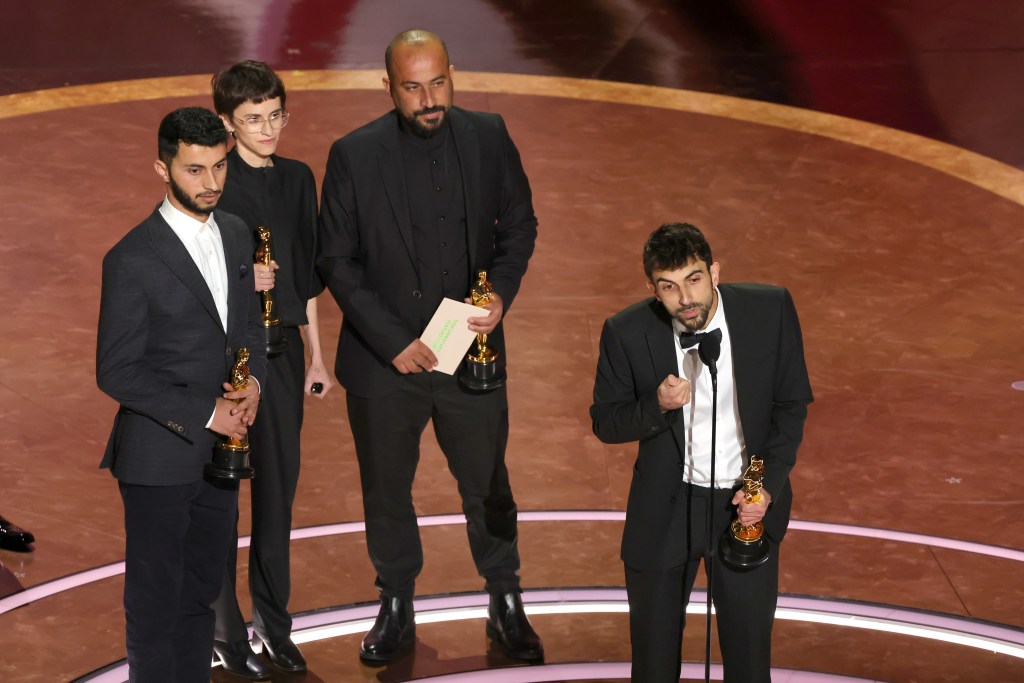
In a stunning moment at the Oscars, filmmakers from both Israeli and Palestinian backgrounds took to the stage, delivering impassioned speeches that cut to the core of U.S. involvement in Middle East politics. Their documentary, which deftly illustrates the multifaceted realities of life in the region, has ignited a crucial conversation about the ramifications of foreign intervention on the lives of ordinary people. As the audience listened, it was evident that these filmmakers were not just seeking recognition for their work; they were also advocating for a reevaluation of policies that have long dictated the fate of nations and communities.
The Power of Documentary Filmmaking
Documentary filmmaking has always served as a powerful medium for social change. In the case of the Oscars, the film highlighted personal stories that resonate deeply with viewers, forcing them to confront uncomfortable truths. The filmmakers skillfully used their platform to highlight the human cost of geopolitical decisions, shedding light on the often-overlooked narratives of resilience and struggle amidst conflict.
By presenting stories that challenge the mainstream narratives surrounding the U.S. Middle East policy, these filmmakers have taken a bold step. They are not just telling the stories of their people; they are challenging viewers worldwide to reconsider their understanding of the complexities of the region. This film, in particular, serves as a reminder that policy decisions are not just political maneuvers but have real consequences for real people.
Understanding the U.S. Middle East Policy
The U.S. has had a long-standing involvement in the Middle East, driven by a mixture of strategic interests, economic factors, and historical alliances. For decades, American foreign policy has shaped the trajectories of countries in this region, often prioritizing geopolitical stability over the well-being of local populations. This approach has led to a range of consequences, including ongoing conflict, humanitarian crises, and deep-seated mistrust.
- Strategic Interests: The U.S. has often intervened in Middle Eastern affairs to maintain access to oil reserves and counteract the influence of rival powers.
- Military Presence: The establishment of military bases and involvement in conflicts has prompted resentment and backlash from local populations.
- Alliances: Strong ties with certain nations, such as Israel, have often been seen as biased, fueling tensions in the region.
As the filmmakers underscored in their speeches, the consequences of these policies have not just been geopolitical. They have had devastating impacts on families, communities, and entire societies. The acceptance speech at the Oscars served as a powerful reminder of the need for a more nuanced understanding of these issues.
What made the acceptance speech particularly poignant was the collaboration between Israeli and Palestinian filmmakers. Their shared experience of living in a region marked by conflict allowed them to present a united front, challenging the simplistic narratives often portrayed in mainstream media. Their documentary showcases the human experience behind the headlines, offering viewers a glimpse into the daily lives of those affected by the ongoing strife.
In their speeches, they highlighted several crucial points:
- Humanizing the Conflict: By focusing on personal stories, they humanized the broader political issues, making it harder for audiences to view the conflict as merely a distant geopolitical problem.
- Encouraging Dialogue: They called for open dialogue between communities, emphasizing that understanding and empathy are essential for moving forward.
- Critiquing Simplistic Narratives: The filmmakers challenged the oversimplification of the conflict, urging viewers to recognize its complexity and the diverse voices within it.
The Role of Art in Activism
Artistic expression has long been a vehicle for social change, and the film showcased at the Oscars is no exception. By using their craft to comment on pressing social issues, filmmakers can influence public perception and inspire action. The Oscars, as a global platform, provided an unparalleled opportunity for these artists to share their message with a wide audience.
In recent years, there has been a growing trend of artists and filmmakers engaging with political and social issues. This trend reflects a broader recognition of the power of storytelling in shaping public discourse. The speeches delivered at the Oscars exemplify how art can challenge dominant narratives and encourage critical thinking about complex issues like U.S. Middle East policy.
The Impact of the Oscars Speech
The acceptance speech by the filmmakers has the potential to resonate beyond the confines of the ceremony. It opens the door for further discussions about U.S. foreign policy and its implications for the Middle East. The film itself can serve as an educational tool, prompting viewers to engage with the realities of life in the region and consider their own roles in advocating for change.
Moreover, this moment at the Oscars contributes to a growing movement of artists and activists seeking to foster cross-cultural understanding and dialogue. By amplifying marginalized voices and addressing pressing issues, these filmmakers are not just creating art; they are helping to shape a more informed and empathetic global community.
Moving Forward: A Call to Action
As the world reflects on the power of cinema and storytelling, it is essential to remember that the responsibility for change lies with all of us. The filmmakers’ challenge to U.S. Middle East policy is not just a critique; it is a call to action. Viewers are encouraged to engage with the issues presented in the documentary, seek out diverse perspectives, and advocate for policies that prioritize human dignity and peace.
In conclusion, the acceptance speech at the Oscars by Israeli and Palestinian filmmakers has unveiled critical truths about U.S. Middle East policy. Their documentary not only highlights the complexities of the region but also sparks essential conversations about the impact of foreign intervention on local lives. As we move forward, let us embrace the power of storytelling to foster understanding and drive meaningful change.
See more CNET Live