
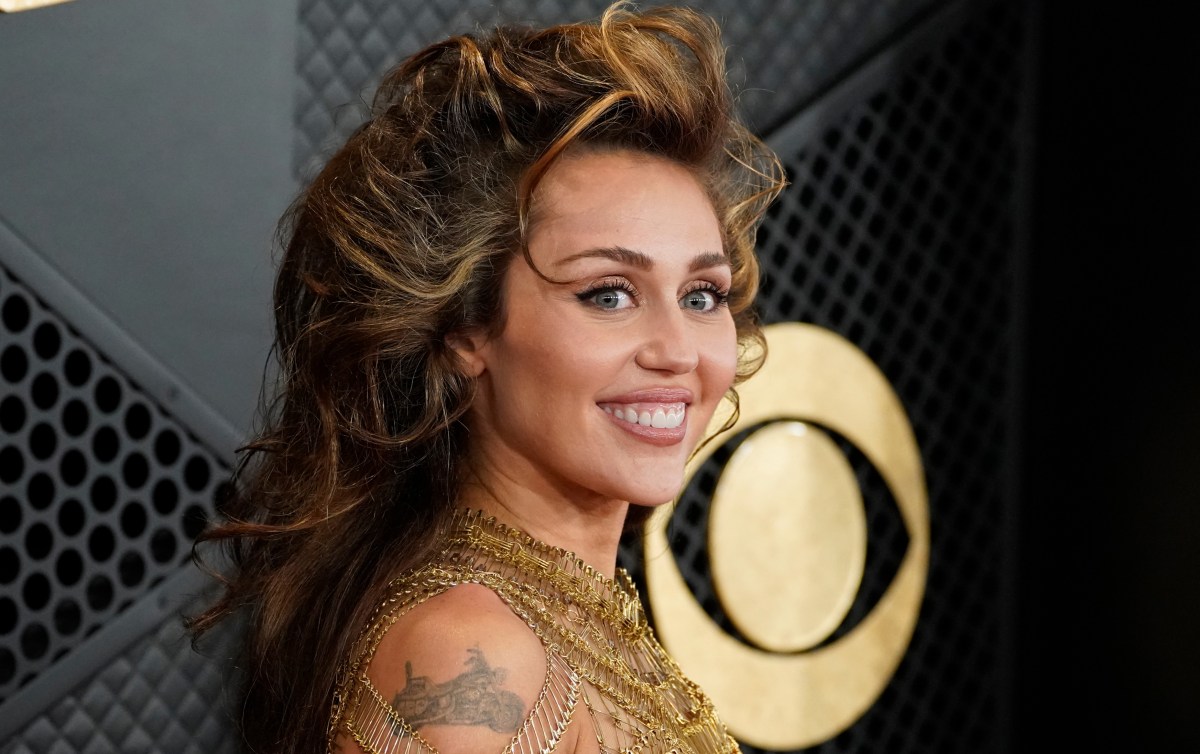
Miley Cyrus Accused of Musical Plagiarism: The Controversy Unveiled
In recent weeks, pop icon Miley Cyrus has found herself embroiled in a legal battle that has sent shockwaves through the music industry. The allegations of musical plagiarism against her raise critical questions about originality, creativity, and the implications for artists navigating the complex landscape of modern music. As the lawsuit unfolds, fans and critics alike are left wondering: what does this mean for Miley and the broader music community?
Understanding the Allegations
The crux of the matter involves accusations that Miley Cyrus’s latest hit song bears striking similarities to another artist’s work. Specifically, the lawsuit claims that key elements of melody, structure, and lyrical composition were lifted without proper credit. While the specifics of the case are still emerging, it highlights a recurring theme in the music industry—questions of originality and the fine line artists tread when drawing inspiration from others.
Musical plagiarism is not a new phenomenon. Throughout history, artists have faced similar challenges, with high-profile cases often making headlines. From Led Zeppelin to Robin Thicke, the music world has seen its fair share of disputes over intellectual property. In this context, Miley Cyrus’s situation raises important questions about the nature of creativity and the legal frameworks that govern it.
The Legal Landscape
At the heart of the allegations lies the interpretation of copyright law, which protects original works of authorship, including music. According to legal experts, for a case of musical plagiarism to be established, plaintiffs must typically prove that:
- The two works are substantially similar.
- The accused had access to the original work.
- The similarities are not coincidental.
In this case, the plaintiff is likely to present expert testimony and musical analysis to demonstrate these points. Given the complexity of music theory and composition, such analyses can become highly technical, often leading to drawn-out court battles.
What This Means for Miley Cyrus
For Miley Cyrus, the implications of the lawsuit extend beyond legal ramifications. As a public figure, she has built a brand around her music, image, and personal narrative. Accusations of plagiarism can tarnish an artist’s reputation, potentially impacting their fanbase and commercial success.
That said, Cyrus has shown resilience throughout her career. She has continuously evolved her musical style and personal image, transforming from her Disney roots into a bold and unapologetic artist. This latest controversy could serve as another chapter in her ongoing narrative of reinvention.
The Impact on the Music Industry
This situation with Miley Cyrus also sheds light on broader issues within the music industry. The rise of digital platforms has dramatically changed how music is consumed and created. With countless artists sharing their work online, the lines between inspiration and imitation can blur, complicating the legal landscape surrounding copyright.
Moreover, the prevalence of sampling—where artists incorporate snippets of existing tracks into new compositions—has sparked debates about originality. Sampling can be a form of homage, but without proper licensing and credit, it can lead to legal disputes. The current case against Cyrus highlights the necessity for clear guidelines and protections in an industry increasingly defined by collaboration and shared influences.
Creativity in the Age of Digital Music
As artists like Miley Cyrus navigate these murky waters, it’s essential to consider the role of creativity in an age dominated by digital music. In many ways, the contemporary music scene thrives on collaboration and cross-pollination of ideas. Artists frequently draw from a vast reservoir of influences, leading to unique sounds that evolve over time.
However, with this creative freedom comes the responsibility to acknowledge sources of inspiration. As fans and audiences consume music at an unprecedented rate, artists must find a balance between innovation and respect for the original works of others. This balance is crucial not just for legal reasons, but also for maintaining the integrity of the art form.
What’s Next for Miley Cyrus?
As Miley Cyrus faces these allegations of musical plagiarism, the future remains uncertain. Legal battles can be lengthy and unpredictable, often taking months or even years to resolve. During this time, Cyrus may choose to focus on her artistic endeavors, continuing to create and perform while the lawsuit unfolds in the background.
Moreover, public perception will play a significant role in the outcome. Fans and critics will be watching closely, and Cyrus’s response to the allegations will undoubtedly influence her image moving forward. Transparency and authenticity have become vital in the age of social media, and how she navigates this controversy could shape her legacy.
Final Thoughts
The accusations against Miley Cyrus serve as a reminder of the complexities inherent in the music industry. As artists strive to express their unique voices, they must navigate a landscape fraught with legal and ethical challenges. The outcome of this case will not only affect Cyrus but could also set precedents for how similar disputes are handled in the future.
As fans, it’s essential to engage in these discussions with an open mind, recognizing the nuances of creativity and the pressures artists face. Whether you’re a die-hard Miley Cyrus fan or a casual listener, this situation invites us to reflect on the relationship between inspiration and originality in music—a conversation that is as relevant today as it has ever been.
In the end, while allegations of musical plagiarism can be damaging, they also provide an opportunity for growth and dialogue. As the case unfolds, we can only hope that it leads to a deeper understanding of creativity and respect within the vibrant world of music.
See more CNET Live