
Rediscovering “Morgiane”: The Lost Opera of a Pioneering Black Composer
After 168 years of silence, the opera “Morgiane” is making a triumphant return to the stage, shedding light on the extraordinary contributions of its creator, a pioneering Black composer. This long-lost masterpiece not only showcases the artistic brilliance of its time but also challenges the prevailing narratives in the world of classical music. As “Morgiane” takes center stage, it invites audiences to reflect on the cultural histories and figures that have often been overshadowed or forgotten.
The Context of “Morgiane”
Written in the mid-19th century, “Morgiane” was composed by the talented Joseph Boulogne, Chevalier de Saint-Georges, a man whose legacy had been largely neglected for centuries. Saint-Georges, born in 1745 to a French plantation owner and an enslaved African woman, emerged as a prominent figure in the realms of music, fencing, and the arts. His unique background translated into a rich musical tapestry that blended European classical traditions with the vibrant rhythms and melodies of African heritage.
Despite his accomplishments, including serving as the first Black conductor of the Paris Opera, the history of Saint-Georges was often obscured by the racial prejudices of his era. The rediscovery of “Morgiane” serves as a powerful reminder of the talent that existed outside the Eurocentric narratives that have dominated classical music.
The Premiere: A Musical Renaissance
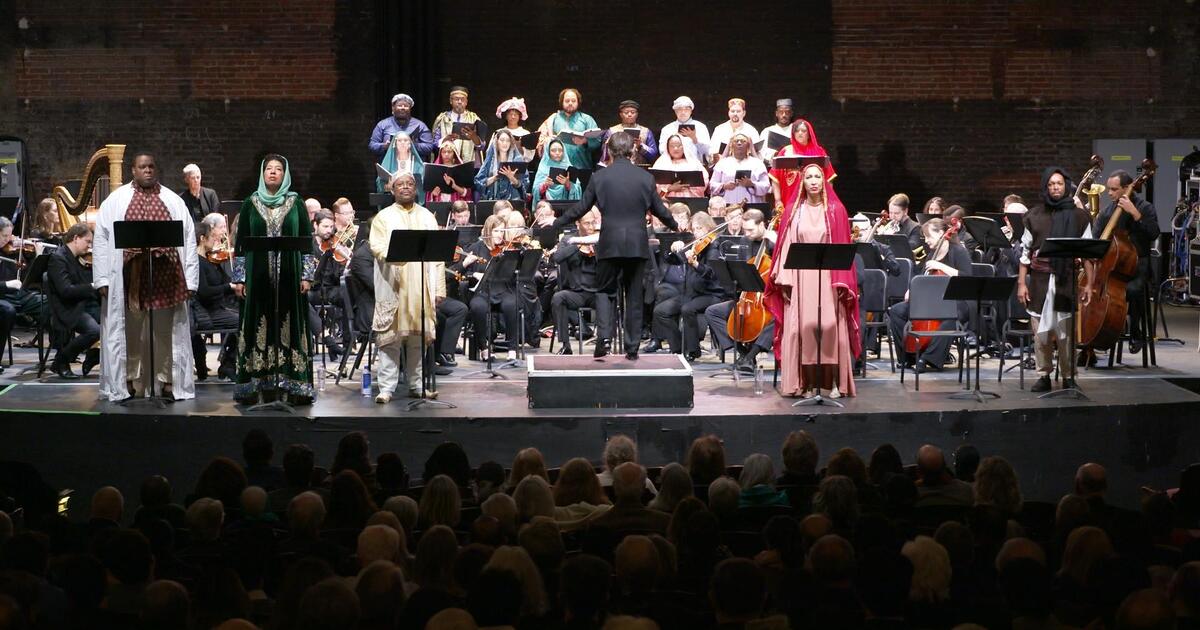
The recent premiere of “Morgiane” marks a significant moment in the cultural landscape. It is a celebration not just of Saint-Georges’ work but also of the broader movement toward inclusivity and recognition of diverse voices in classical music. The performance, held in a prestigious venue, attracted a diverse audience eager to experience a piece of history that had long been relegated to the shadows.
Under the baton of acclaimed conductor, the orchestra brought to life the intricate harmonies and emotive melodies that characterize “Morgiane.” The performers, a talented cast of singers and musicians, embodied the spirit of the opera, transporting the audience to a world filled with intrigue, love, and the complexities of human relationships.
Understanding the Themes of “Morgiane”
“Morgiane” is not just a musical composition; it is a narrative that explores themes of love, betrayal, and redemption. The opera tells the story of a strong female protagonist, Morgiane, who navigates a treacherous world filled with moral dilemmas and societal expectations. This focus on a complex female character is particularly noteworthy, especially considering the limited roles afforded to women in both historical and contemporary operatic works.
- Empowerment: Morgiane’s character challenges the norms of her time, asserting her independence and agency in a male-dominated society.
- Cultural Fusion: The opera seamlessly integrates elements from various musical traditions, showcasing the rich cultural influences that shaped Saint-Georges’ work.
- Emotional Depth: The score evokes a wide range of emotions, allowing the audience to connect deeply with the characters’ journeys.
The Significance of Rediscovering “Morgiane”
The revival of “Morgiane” goes beyond mere nostalgia for a forgotten piece. It serves as a catalyst for discussions about representation, diversity, and the importance of acknowledging the contributions of marginalized composers in classical music. By bringing Saint-Georges’ work back to life, we not only honor his legacy but also challenge the traditional narratives that have shaped the canon of Western classical music.
In recent years, there has been a growing movement within the classical music community to explore and celebrate works by composers of color. This shift recognizes that the rich tapestry of musical history is incomplete without the voices of those who have been historically excluded. The rediscovery of “Morgiane” fits perfectly within this broader context, signaling a new era of inclusivity and appreciation for diverse musical heritages.
Challenges and Triumphs in Reviving Historical Works
Reviving a historical opera like “Morgiane” presents both challenges and triumphs. One of the primary challenges lies in the preservation of the original score and the historical context of the work. Many of Saint-Georges’ compositions were lost or fell into obscurity, making it difficult for modern performers to accurately interpret his music.
However, scholars and musicians have dedicated themselves to reconstructing the opera, drawing upon archival materials, historical records, and a deep understanding of the musical traditions of the time. This meticulous research not only breathes new life into “Morgiane” but also enhances the appreciation of Saint-Georges’ innovative style.
Future Implications for Classical Music
The premiere of “Morgiane” is poised to have lasting implications for the future of classical music. It serves as a reminder that the classical canon is not static; it is a living, breathing entity that can evolve and expand as new voices and stories are embraced. As audiences and performers engage with works like “Morgiane,” they contribute to a more inclusive narrative that values diversity and representation in the arts.
- Increased Awareness: The revival of works like “Morgiane” fosters greater awareness of the contributions of Black composers and other underrepresented figures in classical music.
- Encouragement of New Compositions: As historical works gain recognition, contemporary composers are inspired to create new pieces that reflect a broader range of experiences and identities.
- Community Engagement: The success of such revivals encourages community engagement, drawing in audiences from diverse backgrounds to experience the richness of classical music.
Conclusion: A New Chapter for “Morgiane”
The rediscovery of “Morgiane” is not merely a revival of a lost opera; it is a celebration of a pioneering Black composer whose work deserves recognition and appreciation. As we reflect on the significance of this premiere, we are reminded of the importance of inclusivity and representation in the arts. The legacy of Joseph Boulogne, Chevalier de Saint-Georges, and his opera “Morgiane” invites us all to broaden our understanding of musical history and to embrace the diverse narratives that enrich our cultural landscape.
As “Morgiane” takes its rightful place in the spotlight, it heralds a new era in classical music—one that honors the past while looking forward to a future filled with promise and diversity. The stage is set for a deeper exploration of the stories and talents that have shaped our musical heritage, and “Morgiane” is just the beginning.
See more CNET Live