
Exploring the Depths of Parenthood: A Deep Dive into ‘Mother’s Baby’
Johanna Moder’s film, Mother’s Baby, has taken the cinematic world by storm, particularly during its recent debut at the Berlin Film Festival. With its daring approach to the complexities of new motherhood, the film has drawn bold comparisons to David Lynch’s cult classic, Eraserhead. This connection is not merely superficial; both films explore the darker, surreal aspects of parenthood, showcasing the raw emotions that accompany the journey of becoming a parent. In this article, we will delve into the layers of Mother’s Baby, examining its themes, visual style, and the profound emotional impact it has on its audience.
Unpacking the Narrative of ‘Mother’s Baby’
Mother’s Baby tells the story of a new mother grappling with the overwhelming challenges of motherhood. The film’s protagonist is portrayed with such depth that viewers find themselves empathizing with her struggles. The narrative unfolds in a surreal landscape, reminiscent of Lynch’s works, where reality and nightmare intermingle. This blend of the real and the fantastical forces the audience to confront the fears and anxieties that accompany parenthood.
At its core, the film challenges traditional perceptions of motherhood. Instead of the idyllic portrayal often seen in mainstream media, Moder presents a raw and unfiltered perspective. The protagonist’s experience is not just a simple tale of joy and love; it is a labyrinth of emotional turmoil, exhaustion, and existential dread. This approach invites the audience to reflect on their own experiences and societal expectations surrounding motherhood.
The Visual Language: Surrealism Meets Reality
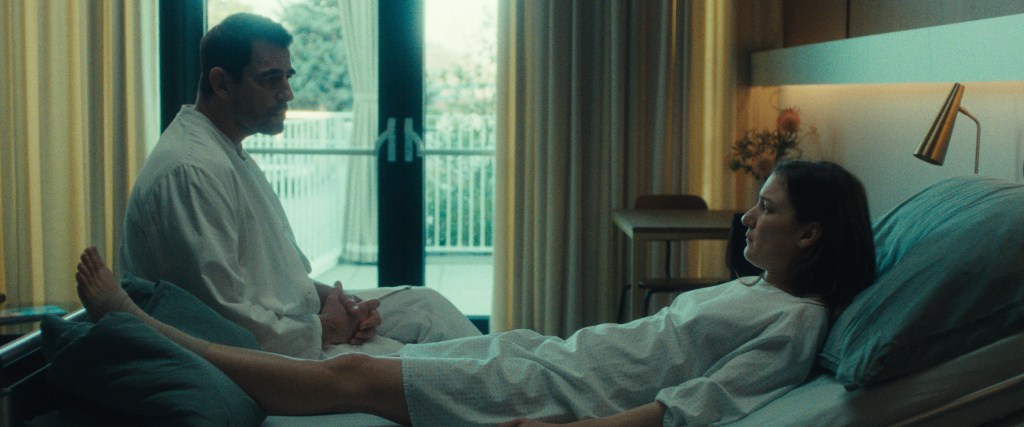
One of the most striking aspects of Mother’s Baby is its visual style. Moder employs surreal imagery and disorienting cinematography to create an atmosphere that mirrors the protagonist’s mental state. The film uses a palette of muted colors, shadowy corners, and unsettling sound design to evoke feelings of confusion and anxiety. These elements work in tandem to immerse viewers in the protagonist’s world, allowing them to experience the profound sense of isolation that can accompany new parenthood.
For example, scenes depicting the mother’s struggle with breastfeeding are portrayed not with tenderness, but through a lens of discomfort and surreal disconnection. This choice starkly contrasts the romanticized images of mother and child often seen in popular culture. Instead, viewers witness how these intimate moments can sometimes feel alien, highlighting the physical and emotional strain that new mothers face.
Emotional Resonance: The Heart of ‘Mother’s Baby’
The emotional depth of Mother’s Baby resonates powerfully with audiences. The film does not shy away from depicting the darker sides of motherhood, such as postpartum depression and the fear of inadequacy. These themes are universal yet often stigmatized, making the film’s exploration all the more important. By bringing these issues to the forefront, Moder encourages an open dialogue about the complexities of maternal mental health.
- Postpartum Challenges: The film poignantly illustrates the emotional rollercoaster that can follow childbirth, including feelings of despair and anxiety.
- Societal Expectations: It questions the societal norms that dictate how mothers should feel and behave, emphasizing the gap between reality and expectation.
- Isolation: The protagonist’s journey highlights the isolation many mothers experience, even in a room full of people.
These elements combine to create a deeply moving experience that resonates with those familiar with the trials of parenthood. The film’s unflinching honesty opens the door for discussions about maternal mental health, breaking the silence that often surrounds these issues.
Comparative Analysis: The Echoes of ‘Eraserhead’
The comparison to Eraserhead is particularly poignant. Both films share a unique ability to unsettle audiences through their surrealistic portrayal of parenthood. In Lynch’s film, the anxiety of fatherhood is depicted through nightmarish imagery, while Mother’s Baby translates the experience of motherhood into a similarly disconcerting narrative. This comparison serves to elevate Moder’s work, placing it within a lineage of films that challenge and dissect the very fabric of familial relationships.
Through unsettling visuals and a haunting score, both films create an atmosphere of dread and confusion. They force viewers to confront the underlying fears that accompany bringing life into the world. This thematic resonance speaks to a broader commentary on the anxieties of modern parenting, making both films relevant in today’s societal context.
The Impact of ‘Mother’s Baby’ on Contemporary Cinema
As Mother’s Baby continues to garner attention, it paves the way for a new wave of films that explore the multifaceted experiences of parenthood. By prioritizing authenticity over idealization, Moder’s film encourages filmmakers to delve deeper into the complexities of maternal experiences. This shift may inspire more narratives that challenge societal norms and provide a platform for underrepresented voices in cinema.
Moreover, the film’s success at the Berlin Film Festival reflects a growing appreciation for stories that tackle taboo subjects with honesty and creativity. Audiences are increasingly seeking films that resonate on a personal level, and Mother’s Baby delivers on this front, making it a significant contribution to contemporary cinema.
Conclusion: A Call for Empathy and Understanding
In summary, Mother’s Baby is a powerful exploration of the depths of parenthood, challenging traditional narratives surrounding motherhood. Johanna Moder’s unique vision invites viewers to confront the raw, often uncomfortable realities of becoming a parent, while drawing compelling parallels to the surreal world of Eraserhead. As audiences continue to engage with this film, it serves as a reminder of the importance of empathy and understanding in conversations about motherhood and mental health.
Ultimately, Mother’s Baby is not just a story about one woman’s experience; it is a reflection of a collective journey that many parents navigate. By shedding light on the darker corners of this journey, the film opens up necessary dialogues about the complexities of parenthood, encouraging an environment where honesty and support can thrive.
See more CNET Live