
Unveiling the Hidden Truth: The Alarming Reality of Movie Salaries
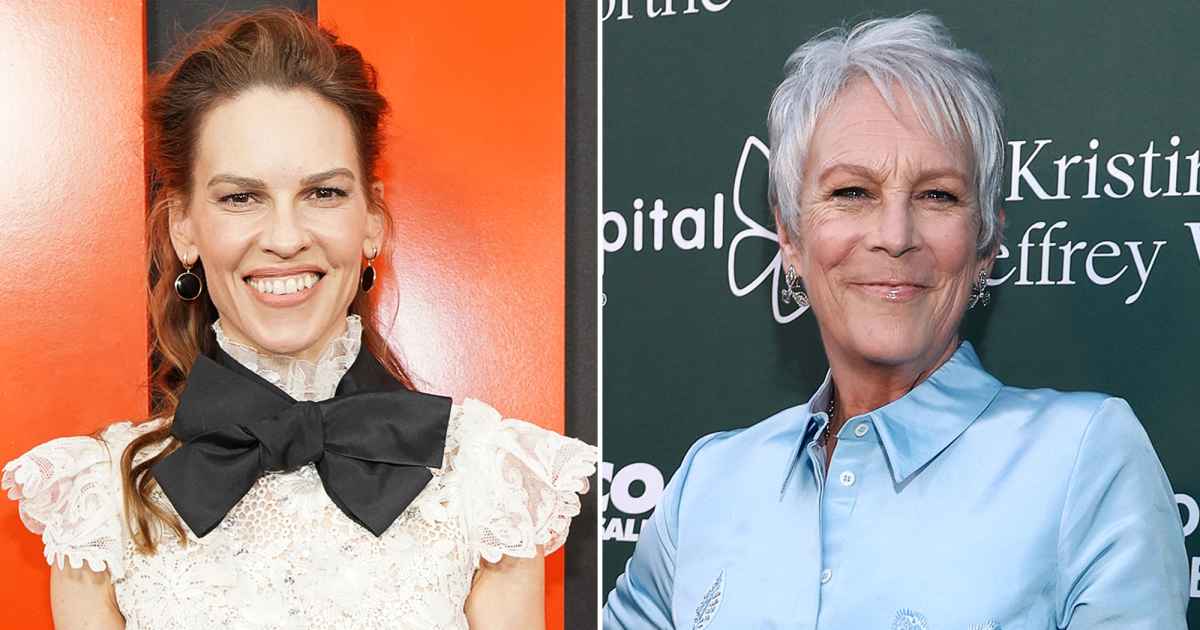
In a world enamored with glitz and glamour, the film industry often paints a picture of wealth and success. However, a recent investigation has cast a shadow over this dazzling facade, uncovering the surprisingly low salaries of Hollywood’s top stars, including renowned actors like Hilary Swank and Jamie Lee Curtis. This revelation not only challenges the glamorous image of the film industry but also raises significant questions about pay equity for actors, highlighting disparities that lurk beneath the surface.
The Glamorous Illusion of Riches
From blockbuster premieres to red carpet events, Hollywood is synonymous with luxury. The glittering lifestyles of celebrities often lead fans to believe that all actors earn exorbitant salaries. Yet, the truth is more complex. While it’s true that A-list stars can command hefty paychecks, many actors, even those with impressive credentials, struggle to make ends meet.
For instance, Hilary Swank, a two-time Academy Award winner, reportedly faced challenges in securing a competitive salary for her role in a recent film. Despite her accolades, Swank’s earnings raise questions about how even established stars can find themselves undervalued in an industry that seems to prioritize blockbuster appeal over artistic merit.
The Investigation Unveiled
The recent investigation revealing the alarming reality of movie salaries has sparked widespread discussion. The findings indicated that a significant portion of actors, including those with substantial career achievements, often earn less than one might expect. Jamie Lee Curtis, celebrated for her extensive body of work, was also highlighted as an example of this troubling trend.
The investigation, which analyzed various contract negotiations, payment structures, and earnings across the industry, unearthed startling statistics:
- Approximately 60% of working actors earn less than $50,000 annually.
- Only a small fraction, around 7%, earn over $1 million per film.
- Actors in smaller productions often face even steeper pay cuts, with many earning minimum wage or less.
These figures paint a stark contrast to the public’s perception of Hollywood, where the assumption is that all actors enjoy lucrative careers. The reality is that many talented individuals are not adequately compensated for their craft.
Pay Equity: A Complex Issue
The revelations surrounding movie salaries compel us to confront the issue of pay equity in Hollywood. The disparity in earnings often reflects broader societal issues, such as gender inequality and racial discrimination. Female actors, in particular, have historically faced significant pay gaps compared to their male counterparts. The #MeToo movement and subsequent conversations about equity have brought these disparities to the forefront, yet progress remains slow.
For example, studies show that women in lead roles earn significantly less than men, even when they possess similar levels of fame and talent. This raises pressing questions: How can we expect a more diverse and equitable industry if the pay structures are inherently biased?
The Role of Streaming Services
With the rise of streaming platforms like Netflix, Amazon Prime, and Hulu, the landscape of film and television has shifted dramatically. While these platforms have created new opportunities for actors, they have also complicated salary structures. The competition for content has led to a surge in productions, yet many actors find themselves facing lower budgets and reduced pay.
Streaming services often prioritize quantity over quality in content production, leading to an environment where actors may be compelled to accept less favorable terms just to secure work. This trend further exacerbates the pay equity issue, particularly for those in less commercially viable genres.
What Can Be Done?
Addressing the alarming reality of movie salaries requires a multi-faceted approach. Here are several strategies that could contribute to a more equitable industry:
- Transparent Pay Structures: Encouraging transparency in salary negotiations can help actors understand their worth and advocate for fair compensation.
- Union Support: Strengthening union representation, such as the Screen Actors Guild (SAG-AFTRA), can empower actors to negotiate better salaries and working conditions.
- Diversity Initiatives: Implementing and supporting initiatives aimed at increasing diversity both in front of and behind the camera can help address systemic inequalities.
- Public Awareness: Raising awareness about the financial struggles many actors face can shift public perception and encourage fans to support fair pay campaigns.
By taking concrete steps toward reform, the industry can begin to dismantle the barriers that contribute to pay inequity and create a more sustainable environment for all artists.
The Future of Hollywood Salaries
As the investigation into the alarming reality of movie salaries continues to resonate, it’s crucial to consider the future landscape of Hollywood. The industry is at a crossroads, where the demand for diverse narratives and authentic storytelling is growing stronger. Actors are increasingly willing to speak out against unfair practices, and with the support of fans, there is potential for meaningful change.
Ultimately, the goal should be to create an environment where actors are compensated fairly for their contributions to the art form, regardless of gender, race, or the size of the production. The call for equity in Hollywood is not just about numbers; it’s about recognizing the value of creativity and ensuring that all artists can thrive.
Conclusion
The alarming reality of movie salaries challenges the glamorous image of Hollywood and underscores the need for change. As we continue to unveil the hidden truths of the industry, it is essential to advocate for pay equity and support the talented individuals who bring stories to life. By shining a light on these issues, we can contribute to a more just and equitable film industry, ensuring that every actor is valued for their craft.
See more CNET Live