
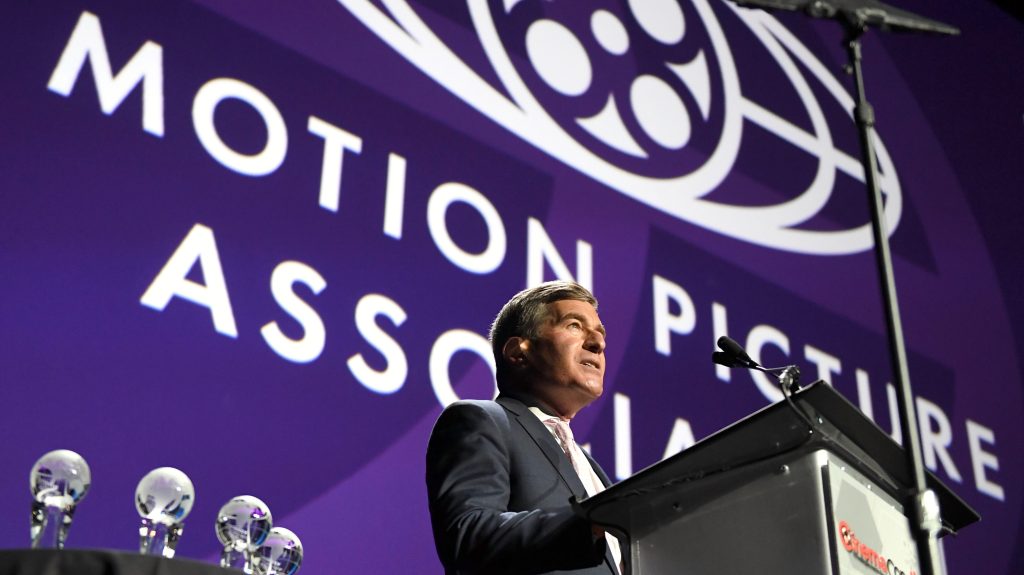
MPA Chief Charlie Rivkin Pledges Support to Theater Owners Amid U.S. Production Push
In a significant show of support for the film industry, MPA Chief Charlie Rivkin recently addressed theater owners at CinemaCon, emphasizing a renewed commitment to bolster U.S. film production. Rivkin’s remarks come at a crucial time as the industry grapples with the aftermath of the pandemic, which has fundamentally altered viewing habits and business dynamics. His focus on incentives and initiatives aims to not only enhance the theatrical experience but also to strengthen the relationships between studios and theaters.
The State of the Theater Industry
The pandemic has posed unprecedented challenges for theaters across the nation. With many audiences opting for streaming services, the traditional cinema model has been under pressure. As box office revenues declined, theater owners faced difficult decisions regarding staffing, maintenance, and technology upgrades. However, Rivkin’s recent pledge signals a potential turning point in this ongoing struggle.
- Audience Engagement: The shift to home viewing has necessitated new strategies for theaters to attract audiences back into cinema seats.
- Financial Challenges: Many theaters have reported significant financial losses, prompting a need for innovative solutions to revive business.
- Changing Consumer Preferences: With the rise of on-demand content, theaters must find ways to provide unique experiences that cannot be replicated at home.
Rivkin’s Vision for the Future
During his address, Charlie Rivkin articulated a clear vision for the future of theaters and film production in the U.S. He underscored the importance of collaboration between studios and theater owners to create a thriving ecosystem. Rivkin proposed several key initiatives aimed at revitalizing the sector:
- Incentives for Local Productions: Rivkin announced new incentive programs aimed at encouraging filmmakers to shoot in the U.S., which will not only create jobs but also drive economic growth in local communities.
- Marketing Support: The MPA plans to launch campaigns that promote the cinematic experience, highlighting the unique aspects of watching films in theaters compared to home viewing.
- Technology Investments: A commitment to help theaters upgrade their technology to enhance the viewing experience, such as improved sound systems and screen quality.
Building Stronger Partnerships
Rivkin emphasized that the relationship between studios and theaters must evolve. To facilitate this, he proposed regular forums for dialogue, where both parties can discuss challenges and brainstorm solutions. This collaborative approach not only fosters a sense of community but also ensures that all stakeholders feel heard and valued.
In his speech, Rivkin highlighted the creativity and resilience of theater owners who have adapted to the changing landscape. These adaptations have included innovative programming, such as themed nights, special screenings, and local events that engage the community. By supporting these initiatives, the MPA aims to empower theaters to thrive even in a challenging environment.
The Importance of Diversity in Film Production
Another critical aspect of Rivkin’s address was the call for greater diversity in film production. He noted that a wider range of voices and stories enriches the cinematic landscape and attracts a broader audience. The MPA will work closely with studios to promote inclusive practices in casting, directing, and storytelling. This commitment not only benefits the industry but also reflects the diverse society in which we live.
Adapting to Post-Pandemic Realities
The film industry is at a crossroads, and the strategies implemented now will shape its future. Rivkin’s support for theater owners is a recognition of the vital role they play in the film ecosystem. As audiences gradually return to theaters, creating a compelling and safe experience is paramount.
- Health and Safety Protocols: Ensuring that theaters maintain high standards of cleanliness and safety will be crucial in rebuilding audience trust.
- Flexible Pricing Models: Introducing flexible pricing strategies could entice audiences back, making films more accessible to a wider range of viewers.
- Community Engagement: Local theaters playing a role in their communities can help foster loyalty among audiences, ensuring they choose cinema over streaming.
Conclusion: A Collective Effort for Revival
Charlie Rivkin’s pledge of support to theater owners amid a renewed push for U.S. film production is not just a promise; it’s a call to action. The survival and revitalization of theaters are dependent on the collective efforts of studios, theater owners, and audiences alike. With the right initiatives and a commitment to collaboration, the industry can emerge stronger from the challenges it has faced.
As Rivkin stated, “We are in this together.” His message resonates deeply in an industry that relies heavily on community support and engagement. The future of film is bright, and with leaders like Rivkin advocating for theater owners, the path to recovery and growth is clearer than ever.
See more CNET Live