
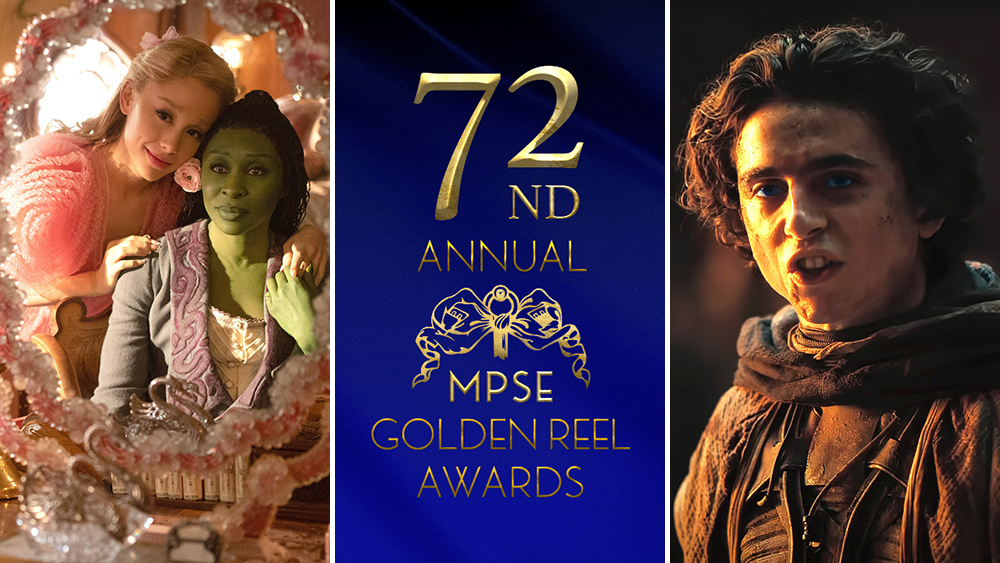
Unveiling the Winners: Highlights from the MPSE Golden Reel Awards
The MPSE Golden Reel Awards, an esteemed event in the film industry, recently took place, showcasing the remarkable achievements in sound editing. Celebrating the art of sound design, this year’s ceremony honored an array of films, including the highly acclaimed ‘Wicked’, ‘Dune: Part Two’, and the animated feature ‘Wild Robot’. This article delves into the winners, the significance of sound editing in cinema, and the impact of these professionals on the audience’s cinematic experience.
Recognizing Excellence in Sound Editing
The Motion Picture Sound Editors (MPSE) have been at the forefront of recognizing and celebrating excellence in sound editing for nearly three decades. The Golden Reel Awards serve as a platform to honor the hard work and creativity of sound editors who play a crucial role in bringing stories to life through sound.
Sound editing is an often-overlooked aspect of filmmaking, yet it is vital for creating the immersive experience audiences expect from modern cinema. The winners of the Golden Reel Awards exemplify the extraordinary talent and dedication required to master this craft.
Highlights from the Golden Reel Awards
This year’s Golden Reel Awards featured a diverse range of categories, celebrating achievements in various fields of sound editing. Here are some of the standout winners:
- Outstanding Achievement in Sound Editing – Feature Animation: *Wild Robot*
- Outstanding Achievement in Sound Editing – Feature Dialogue & ADR: *Wicked*
- Outstanding Achievement in Sound Editing – Feature Effects and Foley: *Dune: Part Two*
- Outstanding Achievement in Sound Editing – Television Animation: *The Simpsons*
- Outstanding Achievement in Sound Editing – Documentary: *The Rescue*
Each of these films and shows has made a significant impact in its respective genre, demonstrating the power of sound in storytelling.
The Impact of Sound Editing on the Cinematic Experience
Sound editing is more than just adding sound effects; it’s about crafting an auditory world that complements and enhances the visual storytelling. Here are some ways sound editing influences the cinematic experience:
- Creating Atmosphere: Sound designers use ambient sounds to set the mood and tone of a scene. Whether it’s the rustling of leaves in a forest or the distant hum of a city, these sounds immerse the audience in the film’s environment.
- Enhancing Emotion: Music and sound effects can evoke strong emotional responses from the audience. A well-timed score can heighten tension, while a subtle sound can bring a sense of peace.
- Building Realism: Realistic soundscapes make stories more believable. The careful placement of sound effects can transport viewers into the heart of the action.
- Supporting Narrative: Sound editing can also aid in storytelling by emphasizing character dialogue, highlighting plot developments, and marking transitions between scenes.
Insights from Industry Experts
Industry experts emphasize the importance of collaboration in the sound editing process. Renowned sound editor, Maria Carvallo, known for her work on *Dune: Part Two*, shared her thoughts on the collaborative nature of sound design. “Sound editing is not a solitary art; it thrives on collaboration. We work closely with directors, producers, and the rest of the post-production team to ensure that every sound serves the story,” she explains.
Similarly, James P. McCauley, who edited sound for *Wicked*, noted the intricate details that sound editors focus on to bring a vision to life. “From the whisper of a character’s breath to the grand orchestral swells, every sound is meticulously crafted to create a seamless experience for the audience,” he remarked.
The Emerging Trends in Sound Editing
As technology continues to evolve, so does the field of sound editing. Here are some emerging trends that are shaping the future of sound in film:
- Spatial Audio: With the rise of immersive technologies such as virtual reality (VR) and augmented reality (AR), spatial audio is becoming increasingly important. This technology allows sound to be perceived from multiple directions, creating a more immersive experience.
- AI and Machine Learning: These technologies are beginning to assist sound editors in various tasks, from noise reduction to sound generation, allowing for greater efficiency and creativity.
- Remote Collaboration: The COVID-19 pandemic has pushed many sound editing teams to adapt to remote workflows. This shift has led to more versatile collaboration tools and practices that could remain in the industry even post-pandemic.
Looking Ahead: The Future of Sound Editing
The future of sound editing is bright, with new technologies and techniques constantly emerging. As audiences continue to seek more immersive cinematic experiences, the demand for skilled sound editors will only grow. The MPSE Golden Reel Awards serve as a reminder of the importance of this craft and the talented individuals behind the scenes who contribute to the magic of film.
As the industry evolves, sound editors will need to adapt and innovate to keep pace with changing audience expectations. The winners of the Golden Reel Awards not only set a high standard for their peers but also inspire future generations of sound professionals to push the boundaries of what is possible in sound design.
Conclusion
The MPSE Golden Reel Awards celebrated the remarkable achievements in sound editing, highlighting the integral role this craft plays in filmmaking. Films like *Wicked*, *Dune: Part Two*, and *Wild Robot* exemplify the profound impact sound editing has on storytelling. As we look forward to the future of cinema, the artistry of sound editing will undoubtedly continue to shape the way we experience film. The talent and dedication of sound editors deserve recognition, and the Golden Reel Awards provide a vital platform for honoring their contributions to the cinematic arts.
See more CNET Live