
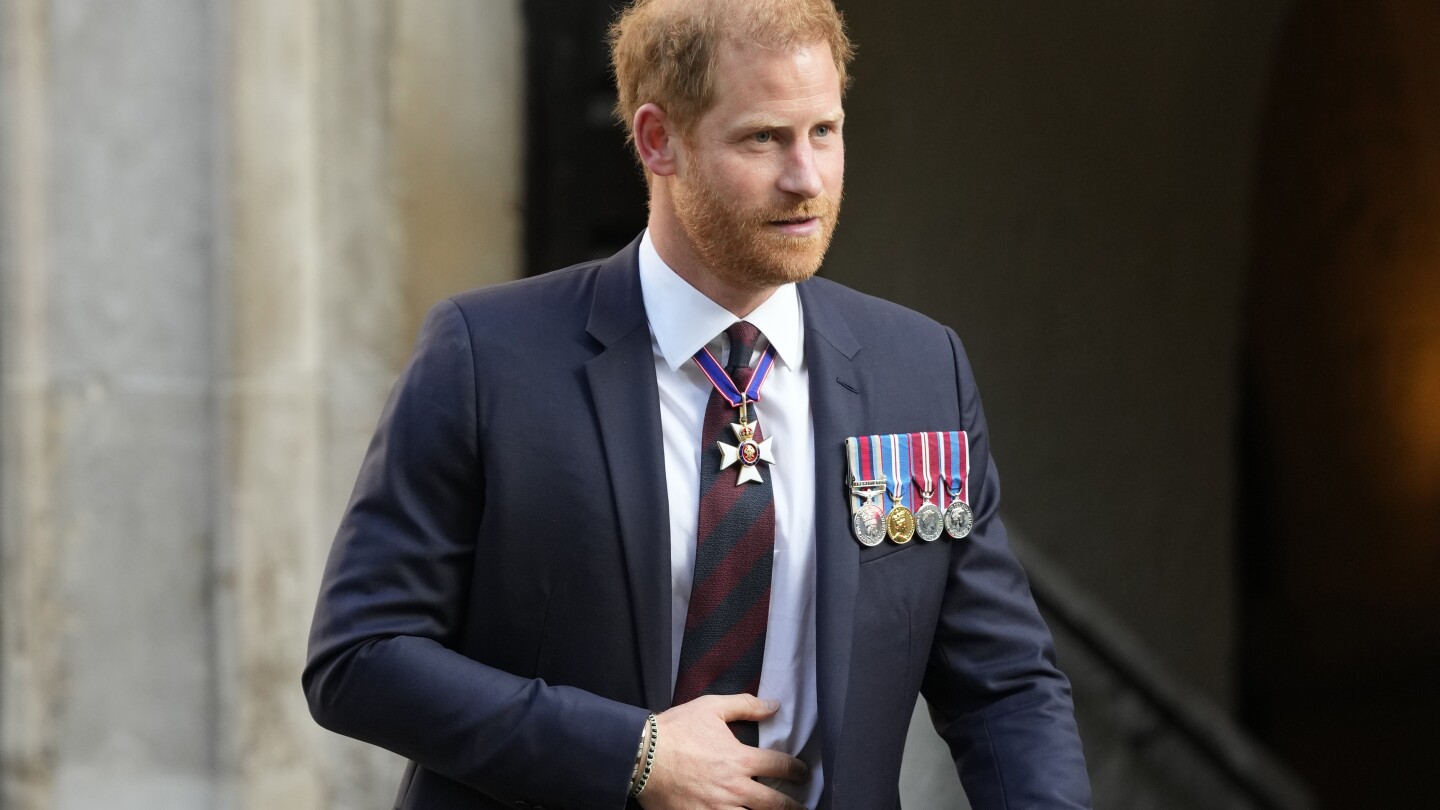
Murdoch’s Tabloids: A Surprising Apology to Prince Harry Over Diana Intrusions
In a surprising development that has captured the attention of both the media and royal watchers, Murdoch’s UK tabloids have publicly apologized to Prince Harry for their past intrusions into the life of his late mother, Princess Diana. This unexpected gesture not only sheds light on the complex relationship between the British press and the royal family but also raises significant questions about media ethics and the long-lasting impact of sensational journalism.
The Context of the Apology
The apology comes amidst ongoing discussions regarding the ethical boundaries of journalism, particularly concerning the treatment of public figures. For years, tabloids under the Murdoch empire have faced criticism for their aggressive tactics, often crossing the line into invasive and unethical behavior. This has been most evident in the case of Princess Diana, who was relentlessly pursued by the press, contributing to her distress and, ultimately, her tragic demise in 1997.
Prince Harry, along with his wife Meghan Markle, has been vocal about the damaging effects of media intrusion on their lives, echoing sentiments that resonate with the experiences of his mother. In a heartfelt statement, Harry expressed his gratitude for the acknowledgment of past wrongs, though many question the sincerity and timing of the apology.
Media Ethics and the Legacy of Princess Diana
The public apology from Murdoch’s tabloids has reignited debates about media ethics, particularly in the context of royal family coverage. The relentless scrutiny faced by Princess Diana during her life was not only a matter of personal tragedy but also raised serious questions about the responsibilities of the media. What is the ethical line when it comes to reporting on individuals who are both public figures and private citizens?
- Invasive Tactics: The paparazzi’s intrusive methods included following Diana with cameras, leading to highly publicized incidents that often depicted her in vulnerable moments.
- Impact on Mental Health: The constant barrage of media attention reportedly took a toll on Diana’s mental health, exacerbating feelings of isolation and anxiety.
- Consequences of Sensationalism: The sensationalist approach of tabloids often prioritized scandal over truth, contributing to a toxic environment for public figures.
As Prince Harry and Meghan Markle have highlighted, the legacy of these media practices continues to affect their lives and the lives of many others. With the apology, there is a glimmer of hope that the media landscape may begin to change, but skepticism remains prevalent.
Public Reaction to the Apology
The public response to Murdoch’s apology has been mixed. Some view it as a genuine attempt at reconciliation and an acknowledgment of the past, while others see it as a strategic move to improve the tabloids’ public image in the wake of ongoing scrutiny regarding their practices.
Social media platforms have been abuzz with reactions, with many users expressing skepticism about the sincerity of the apology. Comments range from supportive messages acknowledging the need for change in media practices to harsh criticisms questioning why it took so long for such an acknowledgment to be made.
Implications for the Future of Journalism
The apology raises important questions about the future of journalism, particularly in how tabloid media operates. With growing awareness and criticism of unethical practices, there is a pressing need for change within the industry. The following implications are worth exploring:
- Increased Accountability: Media organizations may face greater scrutiny from the public and regulatory bodies, pushing them to adopt more ethical practices.
- Shift in Audience Expectations: Readers are increasingly demanding responsible journalism that respects the privacy and dignity of individuals, even those in the public eye.
- Potential for Reform: This moment presents an opportunity for the tabloids to redefine their role in society and consider the impact of their reporting on real lives.
Lessons from the Past
Reflecting on the past, it is crucial to understand the lessons that can be drawn from Princess Diana’s experience and the subsequent actions of the media. The relationship between the press and public figures must evolve to prioritize respect, integrity, and compassion. Here are some key takeaways:
- Empathy in Reporting: Journalists should strive to approach their subjects with empathy, understanding that behind every headline is a human being with their own struggles.
- Transparency and Honesty: Media outlets must commit to transparency in their reporting practices and hold themselves accountable for any breaches of ethics.
- Public Awareness: Increased public awareness about the implications of sensational journalism can lead to greater demand for ethical reporting standards.
Conclusion: A Step Toward Healing?
Murdoch’s tabloids’ public apology to Prince Harry represents a significant moment in the ongoing dialogue about media ethics and the treatment of public figures. While it may not erase the pain caused by past intrusions, it opens the door for a broader conversation about the responsibilities of journalists and the importance of compassion in reporting.
As society continues to grapple with the implications of sensational journalism, this apology could serve as a catalyst for change, encouraging media organizations to re-evaluate their practices and prioritize ethical standards. For Prince Harry, the acknowledgment of his mother’s suffering may provide a small measure of solace, but it also highlights the need for continued vigilance in the pursuit of justice and respect for individual privacy.
Ultimately, the hope is that this unexpected apology is not just a moment of reflection but a genuine turning point for the media landscape, paving the way for a more respectful and ethical approach to journalism that honors the dignity of all individuals, regardless of their public status.
See more CNET Live