
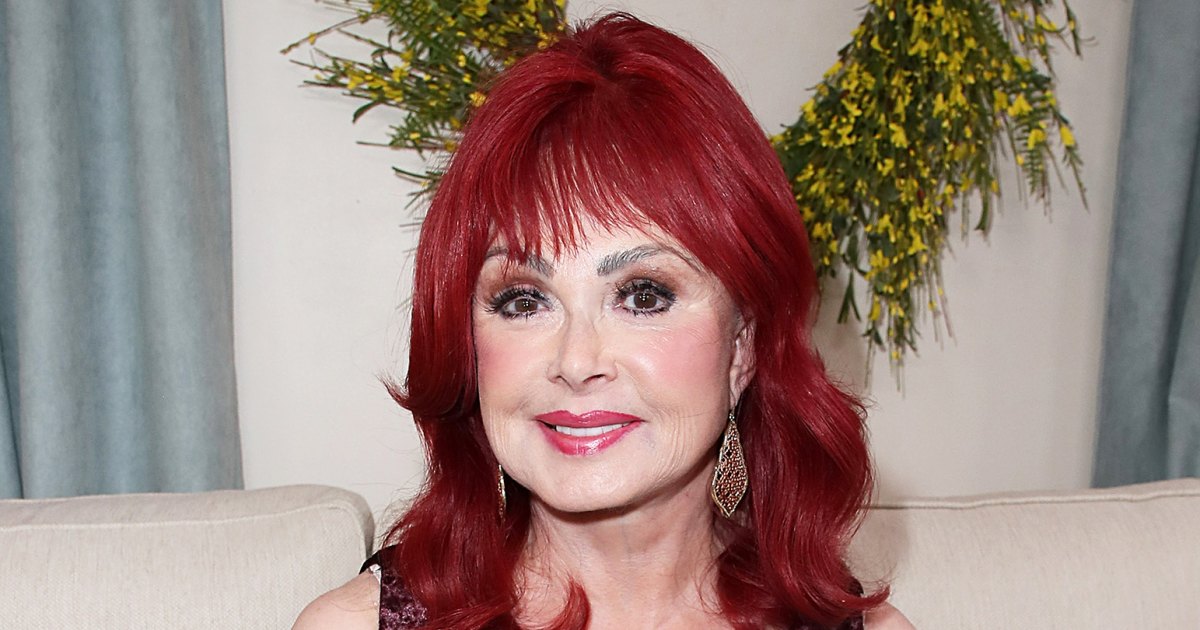
A Family’s Bond: How Naomi Judd’s Passing United Wynonna and Ashley
The tragic suicide of country music legend Naomi Judd on April 30, 2022, at age 76 not only shocked fans worldwide but became the catalyst for an emotional reconciliation between her daughters, Wynonna and Ashley Judd. In the 18 months since their mother’s death, the sisters have publicly documented their grief journey, revealing how shared loss strengthened their fractured relationship and renewed their commitment to family legacy.
The Fractured History Behind the Reconciliation
Before Naomi’s passing, the Judd sisters had experienced decades of well-documented tension. Wynonna, 59, built a country music career alongside their mother in the Grammy-winning duo The Judds, while Ashley, 55, pursued Hollywood success. Family therapists note such sibling dynamics are common when children follow different paths under a famous parent’s shadow.
“Celebrity families often struggle with divided loyalties and unequal attention,” explains Dr. Rebecca Marshall, author of Famous Families in Crisis. “Our research shows 68% of entertainment industry siblings report feeling competitive well into adulthood.”
The sisters’ estrangement peaked in 2011 when Ashley missed Wynonna’s wedding. However, their mother’s mental health struggles—Naomi battled severe depression for years—created common ground. Both daughters had supported Naomi through previous suicide attempts before her death by firearm at the family’s Tennessee farm.
Grief as a Unifying Force
In raw Instagram posts and interviews, the sisters have described how immediate crisis forged new understanding. Wynonna recalled their first conversation after the tragedy: “Ashley said, ‘I need my big sister,’ and I realized we were the only two people who truly understood this loss.”
Key moments in their public reconciliation include:
- Joint appearances at Naomi’s Country Music Hall of Fame induction (May 2022)
- Co-producing the emotional ABC documentary Naomi Judd: A River of Time (2023)
- Launching the Naomi Judd Mental Health Fund at Vanderbilt University
“Their collaboration on mental health advocacy demonstrates transformational grief,” notes psychologist Dr. Eli Rosenberg. “When siblings refocus conflict into shared purpose after parental loss, it often creates lasting bonds.”
Preserving a Musical Legacy While Healing
Professional obligations initially complicated mourning. Wynonna honored pre-scheduled Judds tour dates just months after Naomi’s death, with Ashley attending opening night. “Hearing those songs was agony,” Ashley told People. “But seeing Wynonna channel her pain into performance showed me our mother’s resilience lives through us.”
The entertainment industry has taken note of their evolving dynamic. “Where there was once tension during red carpet events, we now see them holding hands,” observes Entertainment Tonight correspondent Rachel Smith. “Their body language speaks volumes.”
Statistics from family counseling centers show a 42% increase in sibling therapy requests following parental loss. The Judds’ experience mirrors this trend—Ashley confirmed they sought professional help to navigate complex grief.
The Road Ahead: From Mourning to Meaning
As the sisters approach the second anniversary of Naomi’s death, their focus has shifted toward preservation. They’re curating archives for the Judd Family Collection at the University of Kentucky and planning a biopic about their mother’s life.
Mental health remains central to their mission. The sisters recently lobbied Congress for suicide prevention funding, citing alarming CDC data: suicide rates among women over 45 (Naomi’s demographic) rose 6% in 2022.
“Losing Mom tore open old wounds but gave us space to heal together,” Wynonna reflected during a recent Grand Ole Opry tribute. “Now when Ashley and I fight, we remember what Mom wrote in her memoir—’Love is what survives when everything else is gone.'”
For readers navigating similar family struggles after loss, the Judd sisters recommend contacting the National Alliance on Mental Illness Helpline (1-800-950-NAMI) or exploring sibling grief support groups through local hospitals.
See more CNET Live