
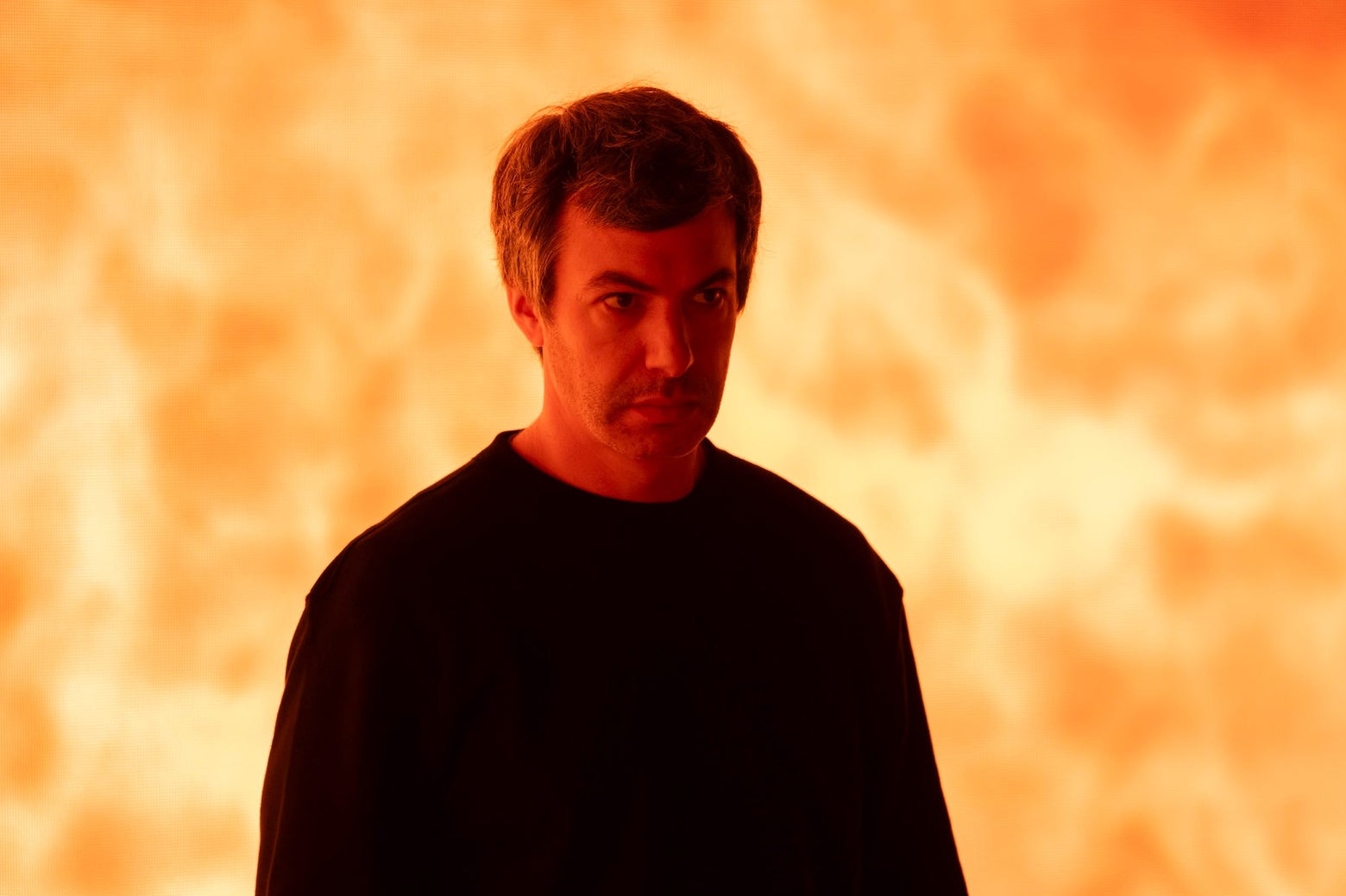
Nathan Fielder’s Bold Vision: How “The Rehearsal” Redefines Reality Television
In HBO’s The Rehearsal, comedian and provocateur Nathan Fielder dismantles reality TV conventions by orchestrating elaborate simulations of real-life scenarios. Premiering in July 2022, the series merges documentary filmmaking with psychological experimentation, challenging participants—and viewers—to question the boundaries of authenticity. Fielder’s innovative approach blends cringe-worthy humor with profound insights into human behavior, setting a new benchmark for the genre.
The Anatomy of a Social Experiment
Fielder’s concept is deceptively simple: He helps ordinary people rehearse pivotal life moments—confessions, breakups, even parenting—by constructing hyper-detailed replicas of real-world environments. Participants practice their scenarios with actors, refining their responses through trial and error. But as the layers of simulation multiply, the line between reality and performance blurs.
“Fielder exposes how scripting infiltrates our daily interactions,” says Dr. Elena Martinez, a media psychologist at UCLA. “The show mirrors society’s obsession with curating identity, but pushes it to absurdist extremes.” A 2023 Pew Research study supports this, revealing that 62% of adults aged 18-34 admit to rehearsing conversations digitally before face-to-face interactions.
Breaking the Fourth Wall—and Reality TV Tropes
Unlike traditional reality shows that thrive on unscripted drama, The Rehearsal foregrounds its own artifice. Fielder’s crew visibly adjusts sets mid-scene; actors break character to discuss motivations. This meta-narrative disrupts audience expectations cultivated by decades of formulaic programming.
- Traditional Reality TV: Emphasizes “authentic” reactions through editing and producer prompts
- The Rehearsal: Celebrates the construction process, making production part of the story
“Nathan isn’t just making a show—he’s critiquing the entire industry,” notes TV critic Darren Franich. “By showing the scaffolding, he forces us to reconsider what ‘real’ means in this context.”
The Ethical Tightrope of Participatory Television
While praised for its innovation, the series sparked debate about participant welfare. In one controversial arc, Fielder “rehearses” fatherhood by living with a child actor for weeks—a scenario some child psychologists called ethically dubious. HBO reportedly employed on-set therapists, a rare practice in unscripted television.
Defenders argue the show’s transparency mitigates exploitation concerns. “Everyone understands they’re part of an artistic experiment,” says producer Christie Smith. “We prioritize informed consent at every stage.”
Audience Reception and Cultural Impact
Despite its niche appeal, The Rehearsal garnered cult status, with Season 1 episodes averaging 4.2 million viewers across platforms. Its influence permeated broader culture:
- Inspired TikTok trends where users film “rehearsed” interactions
- Cited in academic papers about media literacy and performative identity
- Parodied on Saturday Night Live and Last Week Tonight
The Future of Reality Storytelling
As Fielder develops Season 2, industry analysts predict more hybrid formats will emerge. Streaming platforms already greenlit several Rehearsal-inspired projects, including a Netflix series about AI relationship simulations.
“This isn’t just a TV trend—it’s a cultural moment,” asserts Martinez. “Audiences crave media that acknowledges its own constructed nature while delivering emotional truth.”
For viewers tired of manufactured reality dramas, The Rehearsal offers a provocative alternative. Its legacy may lie not in ratings, but in permanently expanding what television dares to attempt. As the boundaries between real and performed identities continue to erode, Fielder’s work provides an unsettling yet vital mirror.
Want to join the conversation? Share your thoughts on The Rehearsal’s most mind-bending moments using #RealityRehearsed on social media.
See more CNET Live