
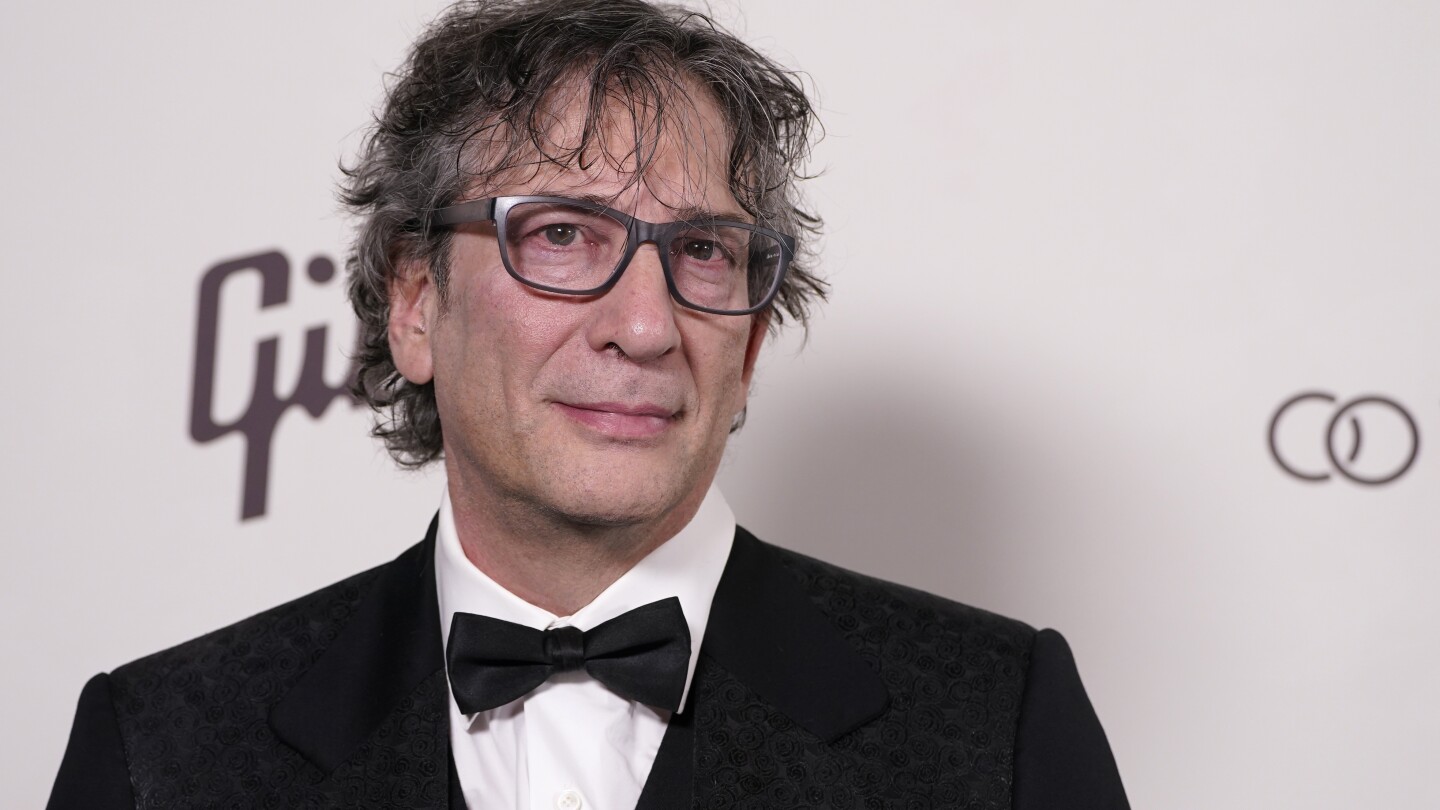
Neil Gaiman Responds to Allegations of Non-Consensual Behavior
Renowned British author Neil Gaiman has found himself at the center of a storm as allegations of non-consensual sexual conduct emerge. As more accusers come forward, Gaiman has firmly denied these claims, stating that he has always prioritized consent and respect in his interactions. This situation not only casts a shadow over Gaiman’s illustrious career but also raises significant questions about accountability within the literary world and how such allegations impact public figures.
The Allegations Unfold
The recent allegations against Gaiman originated from social media platforms, where individuals began sharing their experiences with the author. These allegations range from inappropriate comments to more serious claims of non-consensual behavior. Gaiman, known for his works such as “American Gods,” “Coraline,” and “The Sandman,” has a vast fan base, and the news has sent ripples through the literary community.
In response to the claims, Gaiman took to his social media accounts to express his disbelief and disappointment. He emphasized the importance of consent, stating, “I have never engaged in non-consensual behavior. I believe in the autonomy of individuals and the necessity of consent in all aspects of life.” His statement aims to clarify his stance while addressing the gravity of the allegations against him.
The Impact on the Literary Community
The implications of these allegations extend beyond Gaiman himself. They shed light on a broader issue within the literary and artistic communities where power dynamics can often lead to exploitation. Many artists and writers occupy positions that come with significant influence, and this power can sometimes lead to situations where consent is not properly understood or respected.
- Power Dynamics: The literary world, much like other industries, can exhibit stark power imbalances. Established authors often hold sway over newer writers and aspiring artists, creating environments where boundaries may be blurred.
- Accountability: The emergence of these allegations prompts discussions about accountability. How should the literary community address claims of misconduct? What measures should be in place to protect individuals from potential abuse?
- Support for Victims: It is crucial that victims of any form of misconduct feel safe to come forward. The conversation surrounding accountability must also prioritize creating supportive environments for those who share their experiences.
Gaiman’s Legacy at Stake
Neil Gaiman has built a substantial reputation as a storyteller, often exploring themes of morality, ethics, and human experience in his works. His writings resonate with readers because of their depth and the profound questions they raise. However, these recent allegations could tarnish his legacy and influence how his work is perceived in the future.
The literary community is rife with discussions about the separation of art from the artist. Should readers continue to engage with Gaiman’s works despite the allegations? This question complicates the dialogue around accountability and the impact of personal conduct on professional achievements.
Public Reaction and Discussions
The public’s reaction to the allegations has been mixed. Some fans have expressed support for Gaiman, citing his contributions to literature and his advocacy for various social causes. Others, however, feel that these allegations cannot be overlooked and call for a more profound examination of his actions and their implications.
Social media has become a battleground for these discussions, with hashtags trending in support of both Gaiman and his accusers. This highlights a critical point about the role of social media in modern discourse—providing a platform for voices that may otherwise remain unheard while also enabling rapid dissemination of information, whether verified or not.
Exploring Consent in the Creative Sphere
The allegations against Neil Gaiman serve as a reminder of the ongoing conversation about consent in all areas of life, particularly in creative industries. Consent should be unequivocally clear, and discussions about it need to be normalized. Here are some considerations for fostering a culture of consent:
- Education and Awareness: Workshops and resources on consent can help individuals in creative fields understand boundaries and the importance of mutual respect.
- Open Dialogues: Encouraging open conversations about personal experiences and boundaries can create an environment where individuals feel safe to speak up.
- Support Systems: Establishing networks of support for those who may feel vulnerable in their professional environments can empower individuals to share their experiences without fear.
Conclusion: A Call for Reflection
The allegations against Neil Gaiman have sparked essential conversations about accountability, consent, and the complexities of the literary world. As more voices join the discussion, it’s crucial to approach these topics with sensitivity and a commitment to justice for all involved. Gaiman’s firm denial of the allegations opens the floor for broader discussions about the nature of consent and respect in all professional relationships.
While the literary community grapples with these events, it is a moment for reflection—on how we hold our public figures accountable, how we support those who speak out, and how we navigate the often murky waters of personal conduct versus professional legacy. As we move forward, let’s aspire to foster an environment where creativity thrives alongside mutual respect and consent—a future that honors both artistic expression and personal integrity.
See more CNET Live