
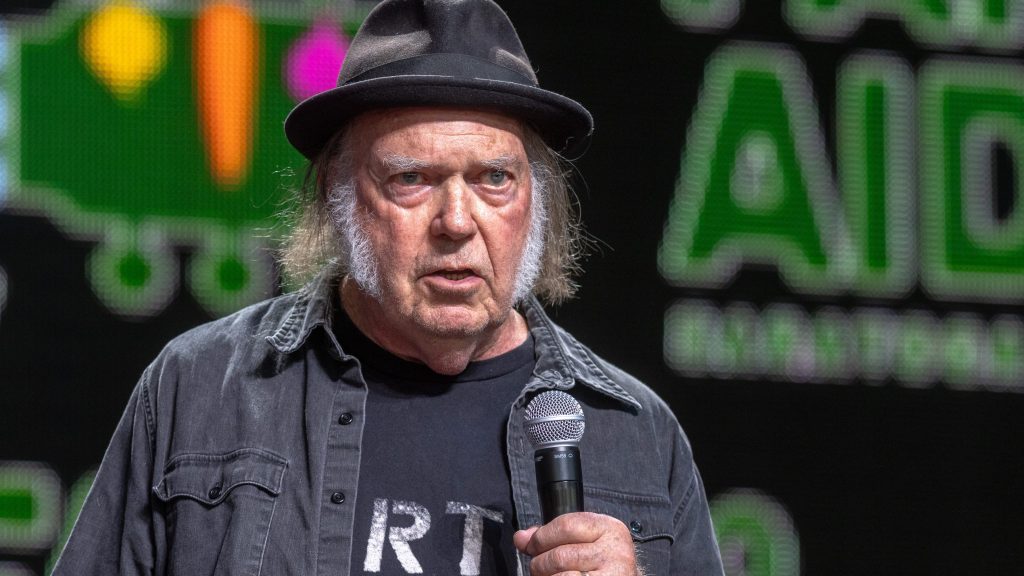
Neil Young Exits Glastonbury: A Stand Against Corporate Influence
In a dramatic turn of events, Neil Young has announced his withdrawal from the Glastonbury Festival, a decision that resonates deeply with his long-standing advocacy for artistic integrity over commercial interests. This bold move highlights significant concerns regarding the pervasive influence of corporate entities in the music industry, particularly the role of the BBC in shaping the festival’s landscape. Young’s exit has ignited a broader dialogue about the commercialization of music festivals and the implications for artists and audiences alike.
The Reasons Behind Neil Young’s Exit
Neil Young, a figure synonymous with the counterculture movement, has never shied away from expressing his views on corporate America. His decision to exit Glastonbury stems from his belief that the festival has succumbed to corporate control, compromising its artistic vision. Young has been vocal about the ways in which corporate sponsorships can dilute the authenticity of musical events, pushing artists to conform to commercial whims rather than artistic expression.
In a statement, Young articulated his concerns, emphasizing that the festival’s partnership with large media corporations like the BBC raises questions about who truly benefits from such collaborations. He stated, “Music is meant to be a free expression of the soul, not a product to be sold to the highest bidder.” This sentiment reflects a growing unease among artists regarding the commercialization of their craft.
Understanding the Commercialization of Music Festivals
The Glastonbury Festival, celebrated for its eclectic lineup and commitment to artistic diversity, has become emblematic of the tension between music and commerce. As festivals have evolved into major cultural events, the financial stakes have risen. Sponsorship deals, merchandising, and extensive media coverage have transformed these gatherings into lucrative enterprises. While this commercialization can provide essential funding, it also risks overshadowing the very essence of the music itself.
Some of the key aspects of this commercialization include:
- Sponsorship and Branding: Many festivals rely on corporate sponsorships to cover costs. This often leads to branding that can feel intrusive to attendees and artists alike.
- Media Control: With major media outlets like the BBC heavily involved, artists may feel pressured to conform to certain narratives or marketing strategies.
- Ticket Prices: Rising costs associated with these large events can alienate genuine fans, transforming festivals into exclusive experiences available only to those who can afford it.
The Impact on Artistic Integrity
For many artists, the essence of music lies in its ability to convey authentic emotions and messages. However, the increasing corporate influence on festivals can stifle this creativity. Artists may find themselves navigating a landscape where financial success often trumps artistic exploration. This situation raises several questions:
- Are artists compromising their values? As pressure mounts to attract larger crowds and secure sponsorships, some may feel compelled to alter their artistic direction.
- What about the fans? The commercialization of festivals often leads to a disconnect between artists and their audiences, as the focus shifts from performance to profit.
- Can festivals retain their original spirit? As commercial interests grow, the challenge remains to maintain the festival’s core values and commitment to artistic diversity.
Neil Young’s Legacy and Influence
Neil Young’s career spans over five decades, during which he has consistently championed social and environmental causes. His music has often reflected his beliefs, tackling issues from war to climate change. Young’s withdrawal from Glastonbury is not merely a personal decision; it is a statement that resonates with a generation of artists and fans who value authenticity over commercial gain.
Young’s influence extends beyond his music. He has been a vocal advocate for artist rights, founding initiatives aimed at ensuring fair compensation for musicians in an increasingly digital world. His actions serve as a reminder of the importance of standing up for artistic principles, even in the face of overwhelming corporate pressure.
The Conversation Continues
Neil Young’s exit has sparked a broader conversation about the future of music festivals. Artists, fans, and organizers are increasingly questioning the balance between commercial viability and artistic integrity. This dialogue is crucial as the music industry adapts to changing landscapes.
Many festivals have begun to explore alternative models that prioritize artist and fan experiences over corporate profits. Initiatives such as:
- Community Engagement: Some festivals are focusing on local artists and community involvement to create a more inclusive atmosphere.
- Transparent Sponsorships: Festivals are starting to disclose their funding sources and how sponsorships impact programming decisions.
- Affordability Initiatives: Programs aimed at reducing ticket prices for lower-income fans are gaining traction, ensuring that music remains accessible to all.
Conclusion: A Call for Reflection
Neil Young’s decision to exit Glastonbury is a bold statement against the encroachment of corporate influence in the music industry. It serves as a reminder of the importance of preserving artistic integrity in a landscape increasingly dominated by commercial interests. As fans and artists reflect on Young’s actions, there is hope for a future where music festivals can thrive without compromising their core values.
The ongoing conversation surrounding this issue is vital as it encourages artists and audiences to advocate for the authenticity of their shared musical experiences. Ultimately, it is a call to action for all involved to ensure that music remains a powerful form of expression, untainted by the pressures of commercialization.
See more CNET Live