
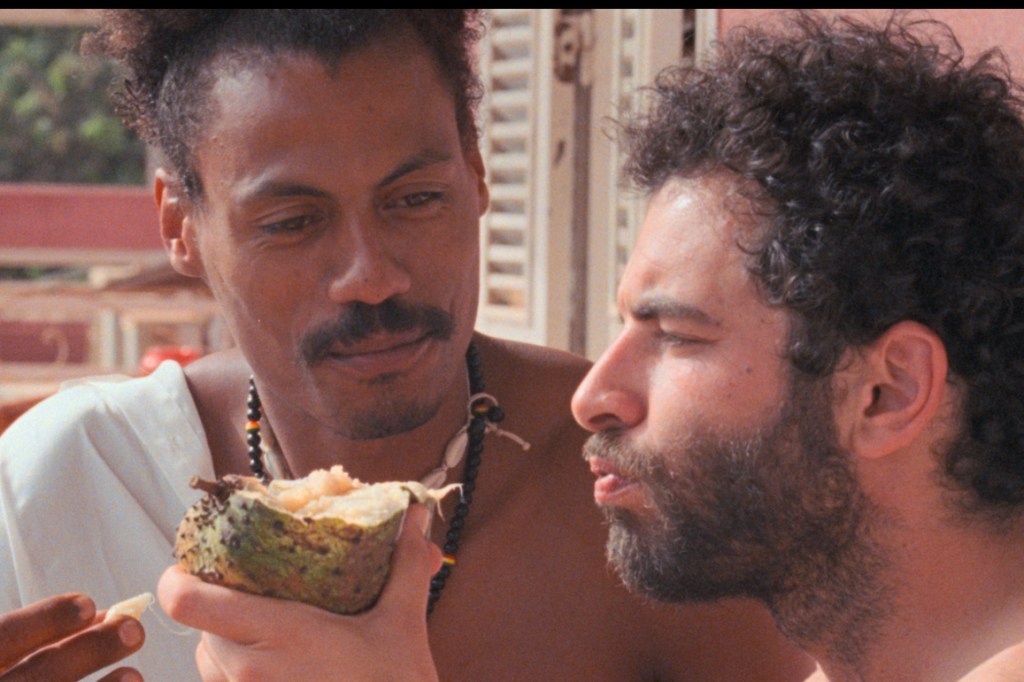
The 2024 Cannes Film Festival spotlighted I Only Rest In The Storm, a searing cinematic examination of neo-colonialism and the complex role of international NGOs. Directed by Senegalese filmmaker Aïssatou Diallo, the drama premiered on May 18th to critical acclaim, sparking urgent conversations about power asymmetries in global humanitarian efforts through its unflinching portrayal of aid workers in West Africa.
A Provocative Lens on Modern Power Structures
Diallo’s film follows a fictional European NGO operating in coastal Senegal, where well-intentioned interventions unravel into cultural clashes and economic dependency. The narrative exposes how neo-colonial dynamics persist through:
- Conditional aid packages tied to political concessions
- Western-centric solutions ignoring local knowledge systems
- Salary disparities between foreign and local staff averaging 5:1 (UN Development Programme 2023 data)
“We’re not showing villains, but systems,” Diallo explained during the Cannes press conference. “The storm isn’t just meteorological—it’s the turbulence created when external forces dictate a community’s survival.”
Neo-Colonialism in Humanitarian Aid: By the Numbers
Recent research underpins the film’s themes. A 2024 Oxfam report reveals:
- 73% of humanitarian funding flows through international rather than local organizations
- African-led NGOs receive just 1.2% of direct global aid funding
- 85% of senior roles in African operations are held by non-Africans
Dr. Kwame Osei, a Ghanaian political economist at the London School of Economics, notes: “The film’s brilliance lies in showing how structural neo-colonialism operates today—not through flags and proclamations, but through procurement policies and program metrics that prioritize donor priorities over community needs.”
Artistic Choices Amplify the Message
Diallo employs striking visual metaphors throughout the 112-minute runtime. Recurring shots of NGO-branded relief supplies washing ashore like colonial trade goods particularly resonated with festival audiences. The cinematography alternates between handheld intimacy during community scenes and sterile static frames in NGO office sequences.
Controversy and Counterpoints
While praised by most critics, some humanitarian professionals argue the portrayal oversimplifies complex realities. “We’ve made significant progress in localization efforts,” contends Marie-Claire Bertrand, head of operations for Médecins Sans Frontières in Dakar. “Last year, 68% of our Senegal staff were Senegalese—up from 42% in 2015.”
However, grassroots activists maintain the film’s core critique holds. “Local hiring doesn’t address who sets the agenda,” responds Amadou Ndiaye, founder of the Dakar-based Collective for African Solutions. “Until funding decisions shift to African institutions, we’re just painting the colonial machine a different color.”
The Ripple Effects Beyond Cinema
The Cannes premiere has already influenced policy discussions. On May 21st, the African Union announced new guidelines for NGO partnerships emphasizing:
- Minimum 40% local leadership requirements
- Transparent salary structures
- Joint program design processes
Meanwhile, the European Commission faces mounting pressure to reform its aid distribution mechanisms following the film’s screening. “Art has this unique power to make statistics feel personal,” observes film critic Jamal Winston. “After watching a mother beg for malaria nets while foreign consultants debate ‘sustainability metrics,’ no viewer can claim ignorance.”
What Comes Next for Global Aid Narratives?
As I Only Rest In The Storm
For audiences worldwide, the film serves as both mirror and map—reflecting uncomfortable truths about neo-colonialism while charting potential paths toward equitable partnerships. As global crises multiply, its central question lingers: Can international aid truly move beyond its colonial roots, or will the storm keep raging?
Call to Action: Engage with the conversation by attending a screening or exploring resources from the Decolonizing Aid initiative. Follow #StormAid on social media for updates on community discussions.
See more CNET Live