
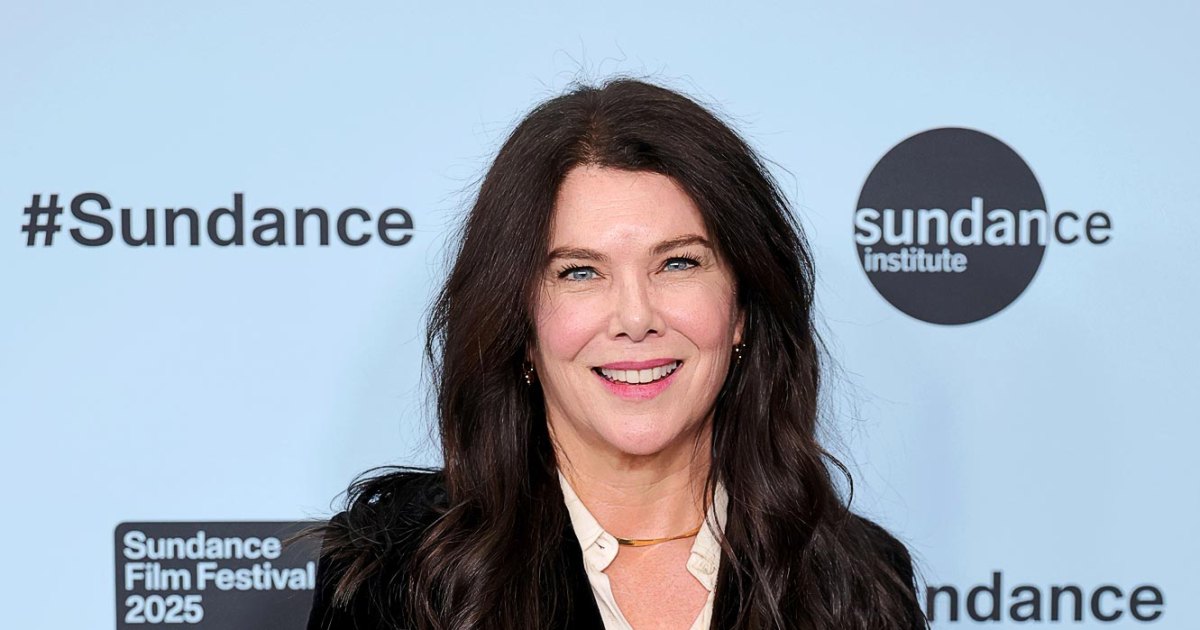
Lauren Graham Reveals Netflix’s Surprising Stance on Residuals for ‘Gilmore Girls’
In a recent conversation that has sparked significant interest and discussion across the entertainment industry, Lauren Graham, the beloved actress known for her role as Lorelai Gilmore in the iconic series ‘Gilmore Girls’, opened up about the surprising lack of residual payments for her performance when the series was made available on Netflix. This revelation not only highlights her personal experience but also sheds light on a broader issue affecting actors in the streaming landscape, raising questions about fair compensation in an industry that has rapidly evolved over the past decade.
The Context of Residuals in Streaming
Residuals are payments made to actors, directors, and writers when a show or film is rebroadcast or distributed in different formats. Traditionally, these payments have been a significant aspect of how actors earn a living, especially from reruns and syndication. However, the rise of streaming services like Netflix has disrupted this model.
Graham’s comments come at a crucial time, as many actors have voiced concerns regarding the dwindling residuals from streaming platforms. Unlike traditional television networks, which have established agreements and payment structures, streaming services often operate under different rules, leading to confusion and frustration among performers.
Lauren Graham’s Experience with Netflix
In her candid discussion, Graham revealed that despite the immense popularity of ‘Gilmore Girls’ on Netflix, she has not received residuals that reflect the show’s success. This situation is particularly surprising considering the series continues to attract a dedicated fan base, often ranking among the most-watched shows on the platform.
“It’s a strange feeling to know that a show you poured your heart into is being enjoyed by millions, and yet, that doesn’t translate into compensation,” Graham stated. “It’s an odd situation that many of us are navigating in this new world of streaming.”
The Impact of Streaming on Compensation
Graham’s revelations are not isolated; they resonate with many actors who have found themselves in a similar predicament. Streaming platforms have altered the landscape of television and film, creating a unique set of challenges for those involved in the creative process. With the emphasis on binge-watching and on-demand viewing, the traditional models of payment and residuals are becoming increasingly obsolete.
Actors are now asking critical questions about the sustainability of their careers in this evolving environment. Some of the key issues include:
- Transparency: Many performers feel that there is a lack of transparency in how streaming services calculate viewership and, consequently, residuals.
- Equity: The disparity between what actors earn from traditional television versus streaming raises questions about equity in compensation.
- Longevity of Roles: With shows often canceled after a single season, actors worry about the long-term viability of their careers in a landscape that favors short-term content.
Industry Reactions and Future Implications
The response to Graham’s comments has been overwhelmingly supportive, with many industry professionals rallying behind her. Actors, writers, and directors have taken to social media platforms to share their own experiences, highlighting the collective struggle for fair compensation in the streaming age.
This conversation is not just about Graham or ‘Gilmore Girls’; it reflects a growing concern within the entertainment industry as a whole. The current state of residuals and compensation practices is under scrutiny, prompting calls for change. Industry unions and guilds, such as the Screen Actors Guild (SAG-AFTRA), are beginning to engage with streaming platforms to negotiate better terms for their members.
What Can Be Done?
As the conversation around residuals gains momentum, several steps can be taken to address these concerns:
- Negotiation: Unions and guilds must negotiate new contracts that reflect the realities of streaming. This includes establishing clearer guidelines on how residuals are calculated and distributed.
- Awareness: Raising awareness among the public about the challenges actors face in the streaming era can help garner support for their cause.
- Transparency Initiatives: Encouraging streaming services to adopt more transparent practices regarding viewership data could help actors understand how their work is valued and compensated.
The Broader Implications for the Entertainment Industry
Lauren Graham’s revelations about Netflix’s surprising stance on residuals serve as a catalyst for a larger discussion about the future of compensation in the entertainment industry. As more content moves to streaming platforms, the industry must adapt to ensure that those who create the content are fairly compensated for their work.
This situation also reflects broader societal trends, where gig economy workers and freelance professionals across various industries are advocating for better pay and job security. As entertainment becomes increasingly digital, the industry’s labor practices must evolve to meet the needs of its workforce.
Conclusion
In conclusion, Lauren Graham’s candid discussion about the challenges of receiving residuals for her role in ‘Gilmore Girls’ on Netflix not only highlights her personal experience but also brings to light the broader issue of fair compensation in the streaming age. As the industry grapples with these complexities, it is essential for all stakeholders—actors, writers, producers, and streaming platforms—to engage in conversations that promote equity and transparency.
The future of entertainment relies on its ability to adapt and support the very individuals who bring stories to life. As this discourse continues, it is hoped that meaningful changes will be made, ensuring that creators receive the recognition and compensation they deserve.
See more CNET Live