
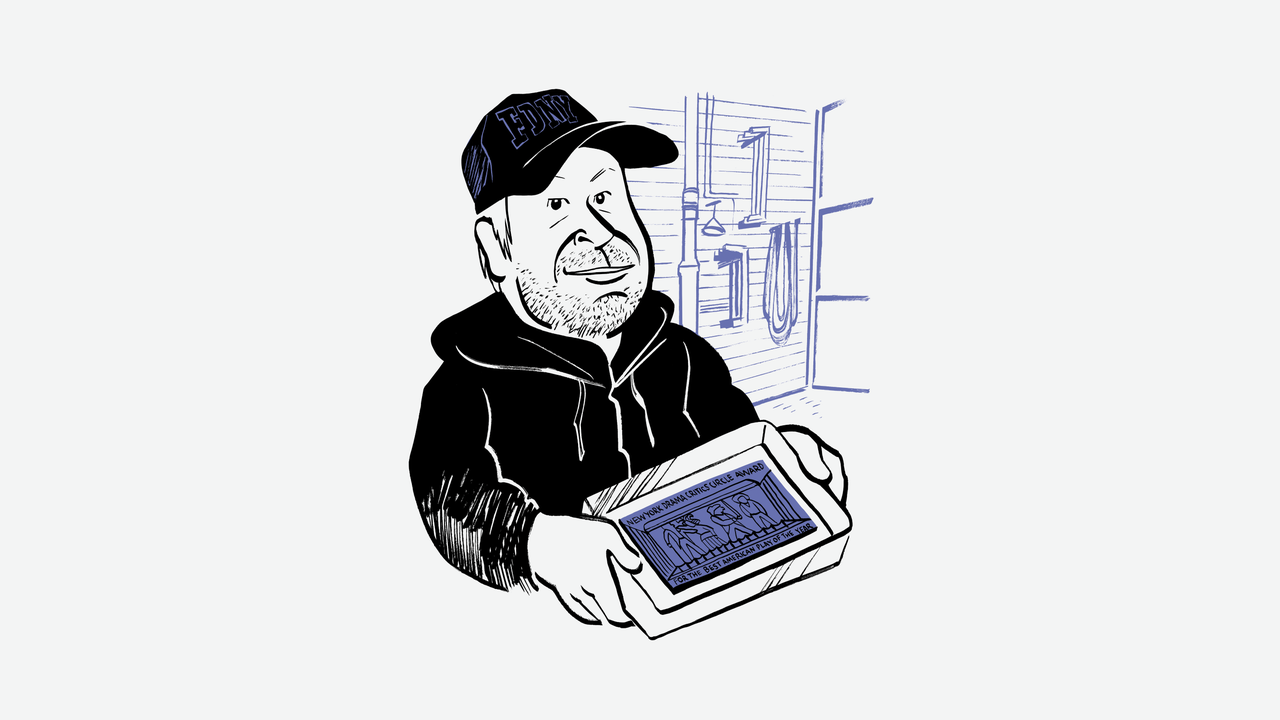
The Unlikely Fusion: New York’s Drama Critics Embrace Heavy Metal
In a surprising twist, the New York Drama Critics’ Circle has begun to shake up the traditional landscape of theater criticism by incorporating heavy metal themes into their evaluations of theatrical performances. This bold move not only challenges conventional norms but also invites a fresh perspective on the intersection of music and drama, emphasizing how the raw energy of heavy metal can illuminate the emotional depths of theatrical works. The merging of these two seemingly disparate worlds—heavy metal and theater—promises to open new avenues for artistic expression and critical dialogue.
Breaking Down Barriers: The Intersection of Metal and Theater
Historically, theater and heavy metal have existed in parallel universes. Theater is often seen as a refined art form, steeped in tradition and intellectualism, while heavy metal is frequently associated with rebellion, raw power, and a visceral approach to music. However, the New York Drama Critics’ Circle is daring to explore how the intensity and thematic richness of heavy metal can deepen the understanding of theatrical narratives. This fusion challenges critics and audiences alike to reconsider what constitutes dramatic expression.
Heavy metal music, often characterized by its powerful guitar riffs, thunderous drums, and intense lyrical themes, resonates with the emotional extremes found in many theatrical works. Themes of struggle, identity, and existential angst permeate both art forms, making this unlikely fusion not just innovative but also deeply relevant.
Why Heavy Metal?
So, why would drama critics turn to heavy metal? Here are a few compelling reasons:
- Emotional Resonance: Heavy metal often deals with themes of pain, struggle, and triumph, which mirror the emotional arcs found in many plays.
- Cultural Commentary: Just as theater reflects societal issues, heavy metal often critiques cultural and political dynamics, making it a rich source for critical analysis.
- Audience Engagement: The high-energy nature of heavy metal can captivate audiences, creating a more immersive theatrical experience.
Redefining Criticism: How Heavy Metal Shapes Evaluations
The integration of heavy metal into drama criticism is not merely a gimmick; it represents a fundamental shift in how performances are analyzed and appreciated. Critics are now encouraged to consider how the elements of heavy metal—such as its boldness and emotional intensity—can enhance or detract from a theatrical performance. This new lens prompts questions such as:
- How does the energy of a heavy metal soundtrack influence the pacing and emotional impact of a play?
- In what ways can heavy metal themes parallel the struggles of characters on stage?
- Can the visceral experience of heavy metal translate into a new form of theatrical storytelling?
Critics who embrace this approach are finding that plays with heavy metal influences can evoke a more passionate response from audiences, creating a dialogue that transcends traditional boundaries.
Case Studies: Productions That Embody This Fusion
Several recent productions have effectively harnessed heavy metal elements, providing rich material for critics to explore. Here are a couple of notable examples:
- “Spring Awakening”: This rock musical, based on Frank Wedekind’s play, incorporates a heavy rock sound that resonates with the angst of adolescence. Critics have noted how the music’s intensity mirrors the tumultuous themes of the story, making it a prime example of the heavy metal influence.
- “The Phantom of the Opera”: While traditionally a romantic gothic tale, recent adaptations have infused heavy metal elements into its score, allowing critics to explore the juxtaposition of horror and beauty, much like the dual nature of heavy metal itself.
The Response from Critics and Audiences
The reception of this new approach has been largely positive, with many critics lauding the fresh perspective it brings. By embracing heavy metal, the New York Drama Critics’ Circle has ignited discussions about the role of music in theater, how it shapes narrative, and how it influences audience perception. Critics are finding that audiences are more engaged and willing to explore complex themes when presented through the lens of heavy metal.
Audience members, too, have expressed excitement over this fusion. Fans of heavy metal appreciate the recognition of their musical genre within a traditionally highbrow art form. This crossover has the potential to attract a younger demographic to theater, bridging the gap between generations and fostering a more inclusive cultural dialogue.
Challenges and Critiques
However, this fusion isn’t without its challenges. Some traditionalists argue that the introduction of heavy metal into theater risks diluting the artistry of both forms. They worry that the visceral nature of heavy metal could overshadow the nuanced storytelling that theater is known for.
Moreover, there is a concern about authenticity. Critics must navigate the fine line between genuine artistic expression and mere spectacle. The challenge lies in ensuring that heavy metal elements enhance the storytelling rather than distract from it.
The Future of Theater Criticism
As the New York Drama Critics’ Circle continues to explore this unlikely fusion, we may be witnessing the dawn of a new era in theater criticism. By embracing heavy metal themes, critics are not only expanding their evaluative frameworks but also redefining the narrative possibilities within theater. This evolution represents a broader trend in the arts, where interdisciplinary approaches are increasingly valued.
The critical discourse surrounding theater is evolving, and heavy metal is carving out a significant space within it. As theater continues to adapt to cultural shifts, the integration of heavy metal may become a staple rather than an anomaly, inviting audiences to engage with theatrical performances in new and exciting ways.
Conclusion
The merger of heavy metal and theater through the lens of the New York Drama Critics’ Circle is a testament to the ever-changing landscape of the performing arts. By challenging traditional norms and embracing a genre that is often seen as outside the realm of high culture, critics are paving the way for innovative artistic fusions. The future of theater may very well be a stage where heavy metal and drama coexist, creating a dynamic and emotionally charged environment that resonates with diverse audiences.
As this trend develops, it will be fascinating to see how it shapes the future of theater, inviting both critics and audiences to explore the depths of human experience through the powerful union of music and drama.
See more CNET Live