
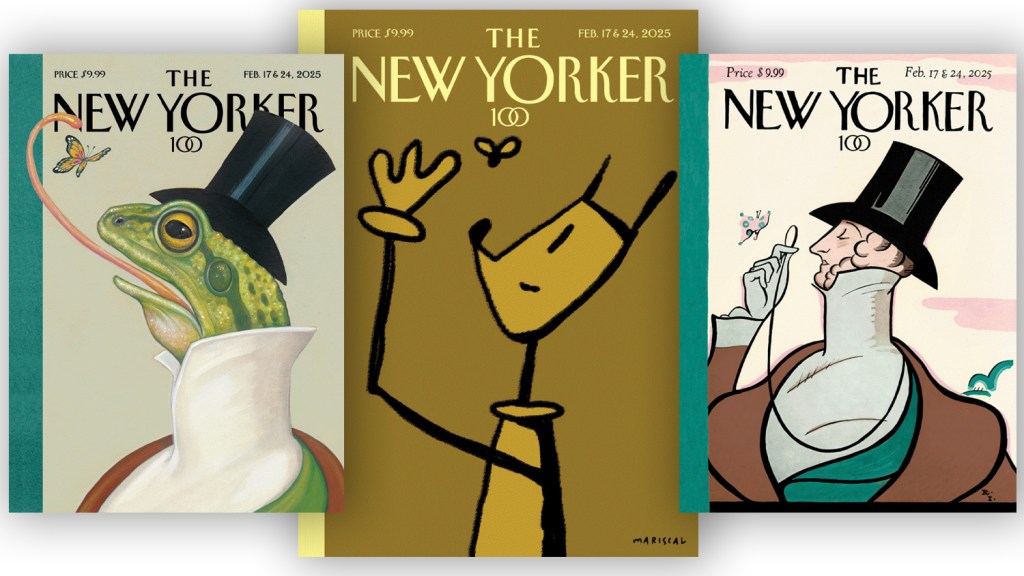
The New Yorker’s Centenary: A Remarkable Journey from Struggle to Survival
The New Yorker has long been synonymous with intellectualism, satire, and a distinctive blend of journalism and fiction. As we commemorate its centenary, we take a closer look at how this iconic magazine navigated through challenges and emerged as a cultural touchstone. Peter Bart reflects on this remarkable journey, highlighting the resilience and adaptability that have defined The New Yorker’s legacy. In this article, we delve deep into its history, examining the initial struggles and the subsequent triumphs that have charted its course over the last hundred years.
Origins: A Dream Amidst Doubts
Founded in 1925 by Harold Ross and Jane Grant, The New Yorker was born out of a desire to create a magazine that captured the pulse of New York City and its artistic communities. From its inception, the magazine aimed to blend sophisticated humor with serious journalism, creating a unique voice that would appeal to both the city’s elite and a broader audience. However, the early days were fraught with challenges.
- Financial Instability: The magazine struggled to find its footing financially. Initial issues did not sell well, and advertisers were hesitant to embrace its unconventional approach.
- Editorial Direction: With a vision that was often at odds with mainstream media, Ross faced scrutiny regarding content. Critics questioned whether a magazine could thrive by focusing on cultural commentary and fiction.
Despite these setbacks, Ross’s unwavering belief in the magazine’s potential proved pivotal. He and his team persevered, refining their vision and gradually attracting a dedicated readership drawn to its unique offerings.
Defining Moments: The 1930s and Beyond
As the 1930s rolled in, The New Yorker began to find its rhythm. With the Great Depression reshaping cultural consumption, the magazine adapted by providing sharp commentary on the socio-political climate. Its content was not merely escapism; it was a reflection of the times.
- Innovative Features: The introduction of features like “Talk of the Town” provided readers with witty insights into New York’s social fabric, establishing a signature style that would become synonymous with the magazine.
- Literary Contributions: The New Yorker became a platform for prominent writers, including J.D. Salinger and John Updike, who would later gain acclaim for their contributions to American literature.
These developments established The New Yorker as a critical player in American media, allowing it to transcend its initial struggles and gain respect and recognition.
The magazine’s resilience was put to the test during World War II. As the world grappled with conflict, The New Yorker took a stand, delivering poignant commentary and reporting. Its commitment to journalistic integrity was unwavering, even in trying times.
- War Reporting: The magazine’s war coverage was both impactful and introspective, capturing the emotional and social ramifications of the conflict.
- Post-War Evolution: After the war, The New Yorker shifted its focus, exploring themes of modernity and the changing American landscape, which resonated with its audience.
This adaptability allowed The New Yorker to not only survive but thrive, cementing its place in the pantheon of American journalism.
The Cultural Icon: Celebrating a Legacy
Fast-forward to the 21st century, and The New Yorker stands tall as a cultural icon. Its blend of investigative journalism, commentary, and fiction continues to attract readers worldwide. The magazine has also embraced modernity, successfully transitioning into digital platforms while maintaining its core values.
- Digital Presence: The New Yorker’s website and mobile applications offer a wealth of content, from articles to podcasts, ensuring it remains relevant in an increasingly digital world.
- Global Reach: With a readership that extends beyond New York City, The New Yorker has become a platform for diverse voices and global perspectives.
Its ability to evolve while staying true to its roots speaks volumes about its resilience. The New Yorker has not only survived but has thrived, becoming a beloved institution in American culture.
Reflections on the Centenary: A Look Ahead
As we celebrate The New Yorker’s centenary, it’s essential to reflect on what the future holds. The media landscape is continually changing, with new challenges and opportunities emerging. However, The New Yorker’s history of resilience and adaptability provides a solid foundation for navigating these changes.
- Commitment to Quality: The New Yorker’s dedication to high-quality journalism and literature remains unwavering. This commitment will ensure its relevance in an era where misinformation is rampant.
- Engagement with Readers: The magazine’s focus on engaging with its audience through various platforms will foster community and loyalty, essential for its continued success.
- Exploration of New Themes: As societal issues evolve, The New Yorker will likely continue to explore new themes and narratives that resonate with contemporary readers.
Ultimately, The New Yorker’s centenary is not merely a celebration of its past but a testament to its enduring legacy. The magazine’s journey from struggle to survival exemplifies the power of resilience, adaptability, and a steadfast commitment to quality.
Conclusion: The New Yorker’s Enduring Legacy
In reflecting on The New Yorker’s centenary, we recognize it as more than just a magazine; it’s a cultural institution that has shaped and reflected the American experience. Peter Bart’s insights into its remarkable journey underscore the magazine’s ability to overcome obstacles and emerge as a leading voice in journalism and literature. As The New Yorker looks to the future, it carries with it a rich legacy of innovation, resilience, and an unwavering commitment to the truth, inspiring generations to come.
See more CNET Live