
Transforming Literature: The Journey from ‘Nickel Boys’ to the Screen
In the realm of storytelling, few narratives possess the power to evoke such deep emotional responses as that of Colson Whitehead’s Pulitzer Prize-winning novel, Nickel Boys. The recent adaptation into a screenplay by RaMell Ross and Joslyn Barnes not only brings this poignant tale to life but also opens a dialogue about the themes of injustice and resilience that are as relevant today as they were during the era depicted in the story. This article explores the transformative journey of Nickel Boys as it transitions from page to screen, highlighting the creative process, the thematic depth, and the cultural significance of this cinematic triumph.
The Heart of Nickel Boys: Themes of Injustice and Resilience
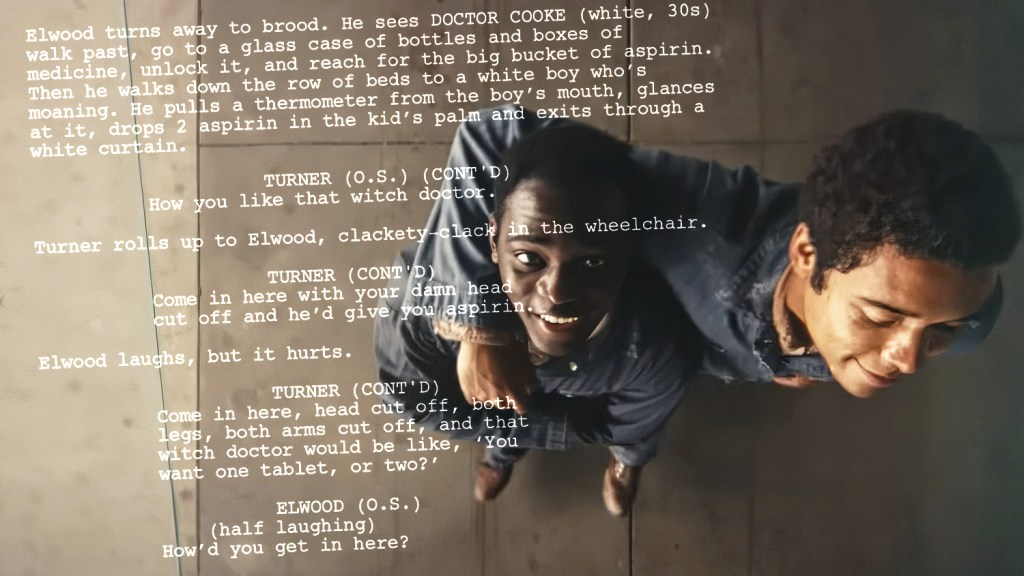
At its core, Nickel Boys is a story that delves into the brutal realities faced by young boys at a reform school in Florida during the 1960s. It tells the tale of Elwood Curtis, a bright and hopeful boy who believes in the teachings of Dr. Martin Luther King Jr., and Turner, a more cynical boy who has learned to navigate life with a guarded heart. Together, they endure the harrowing experiences that reflect the systemic racism and abuse that permeated the institution.
The adaptation into film seeks to retain the raw emotion and stark realities of the novel while also expanding its reach to a broader audience. The themes of injustice and resilience resonate with viewers, encouraging a reflection on the ongoing issues of racial inequality and the struggle for justice in contemporary society. The filmmakers, Ross and Barnes, have worked meticulously to ensure that the film remains faithful to the source material while also making it accessible and impactful for a cinematic audience.
The Creative Process Behind the Screenplay Adaptation
The adaptation of Nickel Boys into a screenplay was no small feat. RaMell Ross, known for his visually arresting documentary work, and Joslyn Barnes, a seasoned producer and screenwriter, teamed up to craft a screenplay that would honor Whitehead’s original vision. Their collaborative process involved several key steps:
- Understanding the Source Material: Ross and Barnes immersed themselves in Whitehead’s narrative, studying not only the plot but also the emotional undercurrents and the historical context that shaped the characters’ experiences.
- Maintaining Authenticity: The duo aimed to preserve the authenticity of the characters and the events, ensuring that the film would serve as a truthful representation of the injustices faced by its protagonists.
- Adapting for Visual Storytelling: Translating the internal struggles of the characters into visual language was a pivotal challenge. The filmmakers used powerful imagery and symbolic scenes to convey emotions that the book described in prose.
Visual Storytelling: The Role of Cinematography
The visual aspect of Nickel Boys plays a crucial role in its storytelling. The cinematography, guided by Ross’s artistic vision, employs a range of techniques to evoke the atmosphere of the 1960s Southern United States. By focusing on the stark contrasts between light and shadow, the film visually represents the themes of hope and despair.
Key elements of the cinematography include:
- Color Palette: A muted color palette reflects the somber reality of the Nickel Academy, contrasting with vibrant hues during moments of hope and resilience.
- Framing and Composition: The filmmakers use tight framing to create a sense of confinement and isolation, mirroring the characters’ experiences within the reform school.
- Symbolic Imagery: Recurring motifs, such as the use of natural elements, serve as symbols of freedom and the longing for a better life beyond the oppressive walls of the institution.
The Cultural Significance of Nickel Boys
As a cinematic adaptation, Nickel Boys transcends mere entertainment; it serves as a powerful commentary on the ongoing issues of racial injustice and systemic oppression. The narrative compels audiences to confront uncomfortable truths about the past and present, making it an essential piece of cultural discourse.
The film not only sheds light on historical injustices but also challenges viewers to reflect on the present state of racial inequality. By revisiting the narrative of the Nickel Academy, audiences are prompted to consider the parallels between the past and contemporary societal issues, thus sparking important conversations about justice, equity, and the resilience of the human spirit.
Impact on Audiences and Future Generations
The adaptation of Nickel Boys has the potential to resonate deeply with audiences, particularly those who may not be familiar with the original novel. By bringing the story to the screen, Ross and Barnes create an opportunity for a new generation to engage with the themes of the narrative. The film can serve as a catalyst for discussions about race, injustice, and the importance of resilience in the face of adversity.
Moreover, the artistic decisions made throughout the adaptation process can inspire future filmmakers and storytellers to tackle similar themes in their work. The success of Nickel Boys may encourage more adaptations of literature that address social justice issues, thus enriching the landscape of modern cinema.
Conclusion: A Triumph of Storytelling
The transformation of Nickel Boys from a celebrated novel to a cinematic triumph is a testament to the power of storytelling. RaMell Ross and Joslyn Barnes have successfully crafted a film that not only honors Colson Whitehead’s original narrative but also resonates with contemporary audiences grappling with the themes of injustice and resilience.
As we reflect on the journey of Nickel Boys, we are reminded of the importance of storytelling as a vehicle for change. The film stands as a poignant reminder that while the past may be fraught with challenges, the spirit of resilience endures, inspiring us all to strive for a more just and equitable future.
See more CNET Live