
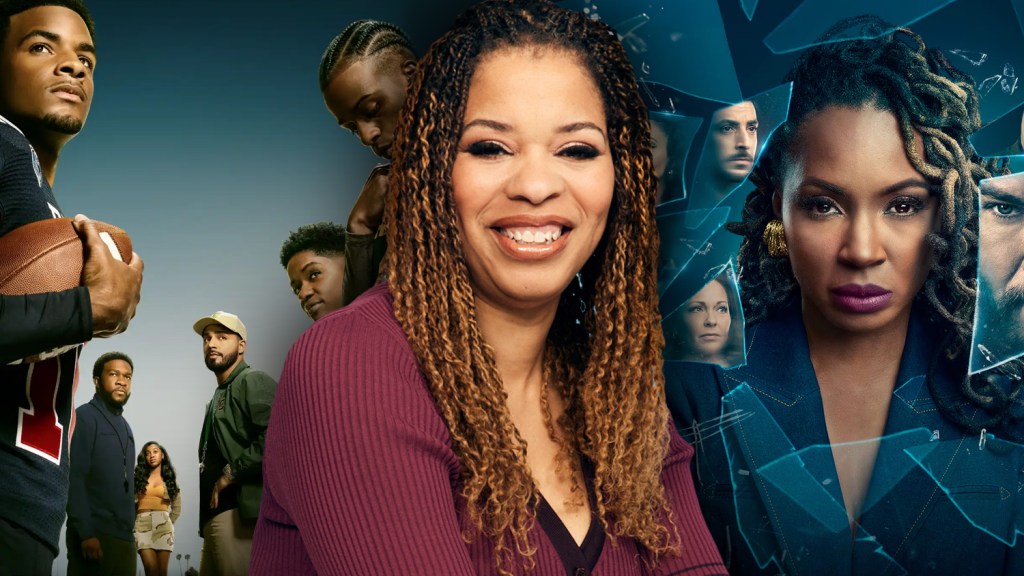
Nkechi Okoro Carroll stands as a prominent figure in the rapidly changing world of network television. As the creative force behind successful series like All American and the recent Found, Carroll’s journey is a compelling narrative woven with challenges, triumphs, and invaluable lessons. In an industry marked by constant evolution, her insights offer a roadmap for aspiring showrunners and seasoned professionals alike, illustrating how to maneuver through the unpredictable waters of network television.
The Landscape of Network Television
The landscape of network television is unlike any other medium. With the rise of streaming services and digital platforms, traditional networks have been compelled to adapt or risk obsolescence. This shift has created both challenges and opportunities, prompting showrunners to rethink their strategies and storytelling approaches. Carroll’s experiences highlight the necessity of innovation and the importance of understanding audience dynamics in this new era.
Nkechi Okoro Carroll: A Brief Background
Before diving into her insights, it’s crucial to understand who Nkechi Okoro Carroll is. With a background in writing and producing, Carroll has cultivated a reputation for creating content that resonates with diverse audiences. Her work on All American, which explores themes of identity, race, and family, has garnered critical acclaim and a dedicated fan base. More recently, her new series, Found, delves into the complexities of missing persons, bringing light to often-overlooked narratives.
Embracing Change in Network TV
One of the most significant lessons Carroll emphasizes is the importance of embracing change. In an industry where trends can shift overnight, adaptability is key. Here are some strategies she employs:
- Staying Informed: Carroll stresses the need to stay updated on industry trends and audience preferences. Understanding what viewers want is crucial for creating relevant content.
- Fostering Collaboration: She believes that collaboration within the creative team enhances the storytelling process. Diverse perspectives can lead to richer narratives that appeal to a broader audience.
- Utilizing Data: Leveraging analytics to inform decisions about storytelling and promotion has become a standard practice. Carroll uses data to gauge audience reactions and adjust her approach accordingly.
The Challenge of Representation
As a Black woman in a predominantly white industry, Carroll has faced unique challenges related to representation. She understands the weight of storytelling that reflects diverse experiences. In her own work, she prioritizes authentic representation, ensuring that characters and narratives resonate with underrepresented communities.
“It’s not just about being seen; it’s about being understood,” Carroll notes. This perspective not only enriches her storytelling but also invites a more inclusive dialogue within the industry. Representation matters, and Carroll actively works to create spaces for voices that have been historically marginalized.
Innovative Storytelling Techniques
Navigating the uncharted waters of network television also requires innovative storytelling techniques. Carroll’s approach includes:
- Character-Driven Narratives: She believes that strong characters are the backbone of any successful show. By developing multi-dimensional characters, Carroll ensures that audiences form emotional connections, making them more invested in the story.
- Incorporating Social Issues: Carroll often weaves relevant social issues into her narratives. By tackling contemporary challenges, she not only engages viewers but also sparks important conversations.
- Experimenting with Formats: The traditional 22-episode season is no longer the only model. Carroll experiments with shorter seasons or limited series formats to maintain viewer engagement and allow for more in-depth storytelling.
Building a Resilient Team
A successful show is only as good as the team behind it. Carroll emphasizes the importance of building a resilient and diverse team. This not only fosters a creative environment but also encourages collaboration and innovation. She often highlights the power of mentorship within her teams, helping to cultivate the next generation of storytellers.
“It’s about lifting each other up,” Carroll states. “When we support one another, we create a stronger, more vibrant industry.” This philosophy of nurturing talent and fostering inclusivity has become a cornerstone of her leadership style.
Looking Ahead: The Future of Network Television
As the industry continues to evolve, Carroll is optimistic about the future of network television. She believes that the challenges posed by streaming services can be viewed as opportunities for innovation. The key, according to Carroll, lies in finding a balance between traditional storytelling and modern audience engagement.
“We have to remember that storytelling is at the heart of what we do,” she explains. “If we stay true to that, while also being willing to adapt, there’s no limit to what we can achieve.”
Nkechi Okoro Carroll’s journey through the uncharted waters of network television serves as an inspiring testament to resilience, innovation, and the power of storytelling. Her insights into embracing change, fostering representation, and building collaborative teams provide a valuable framework for aspiring showrunners. As the television landscape continues to shift, Carroll stands as a beacon of creativity and adaptability, illuminating the path forward for those willing to navigate the complexities of this dynamic industry.
In this era of transformation, embracing the unknown while honoring the art of storytelling will be vital. Carroll’s journey reminds us that while the waters may be unpredictable, the essence of great television remains consistent: compelling stories that resonate with audiences and reflect the diverse tapestry of human experience.
See more CNET Live