
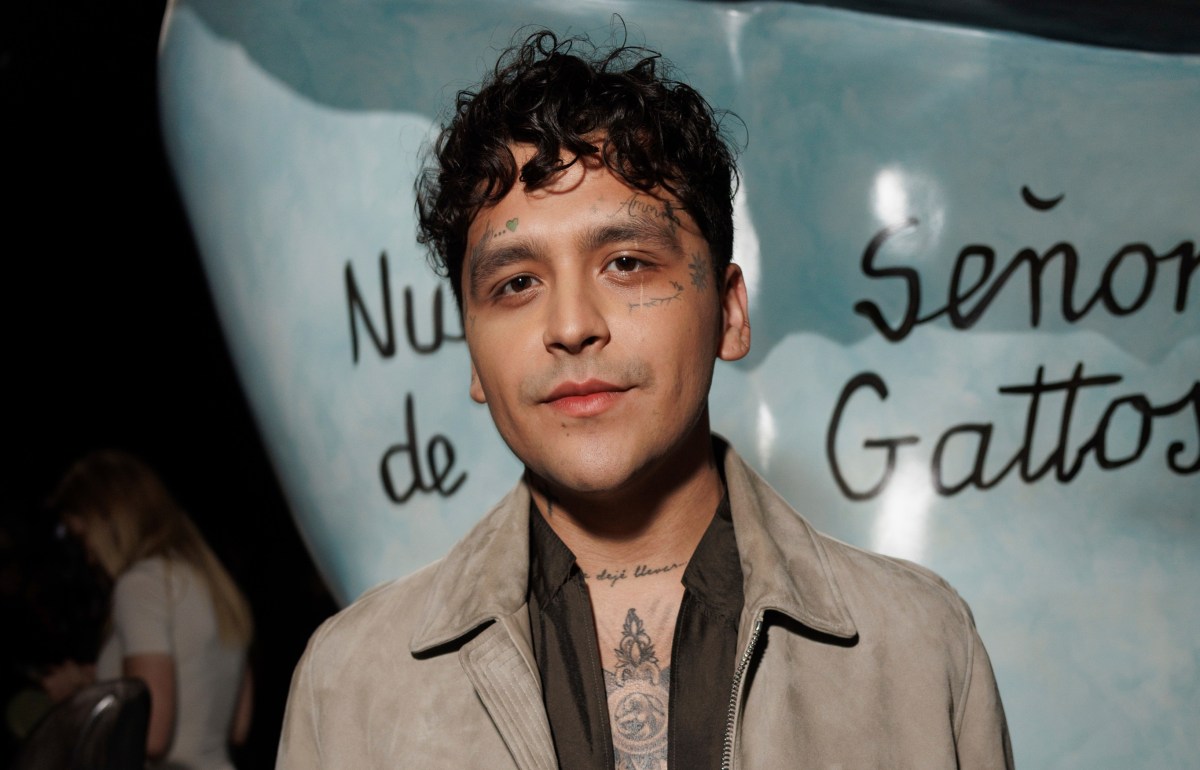
Nodal Responds to Controversial ‘La Rosa de Guadalupe’ Episode: What He Said
Mexican superstar Christian Nodal has publicly addressed the controversial portrayal of his life in a recent episode of the long-running drama series La Rosa de Guadalupe. The episode, which aired last week, depicted a storyline bearing striking similarities to Nodal’s high-profile relationship with singer Belinda. In an Instagram Live session on Tuesday, the Grammy-winning artist expressed frustration over the unauthorized dramatization, calling it “a distortion of real events.” The incident has reignited debates about ethical boundaries in biographical storytelling.
The Episode That Sparked Outrage
The La Rosa de Guadalupe episode titled “El Precio de la Fama” (The Price of Fame) featured a young regional Mexican singer navigating a toxic relationship with a pop star. Viewers immediately drew parallels to Nodal and Belinda’s 2020-2021 romance, which ended amid public scrutiny. Key details mirrored real events, including:
- A conspicuous age gap between the characters (Nodal is 7 years younger than Belinda)
- Scenes depicting lavish gifts and public displays of affection
- A storyline about career conflicts and media pressure
Television critic Dr. Elena Martínez of Universidad Iberoamericana notes: “This isn’t the first time La Rosa de Guadalupe has drawn from real celebrity lives. However, the lack of nuance in portraying complex relationships often reduces them to moralistic fables.” Ratings data shows the episode drew 4.2 million viewers—a 22% increase over the season average.
Nodal’s Emotional Response
During his 35-minute live broadcast, Nodal emphasized the human cost of such dramatizations. “They took the most painful moments of my life and turned them into a telenovela without ever consulting me,” he stated, visibly emotional. “What people don’t understand is that behind the headlines, there are real hearts that broke.”
The singer-songwriter revealed the episode triggered anxiety about his past being “frozen in someone else’s narrative.” Mental health experts confirm this reaction isn’t uncommon. A 2023 UCLA study found that 68% of public figures experience distress when fictionalized accounts of their lives circulate without consent.
Media Ethics in the Age of Viral Content
Nodal’s experience highlights growing concerns about entertainment media mining real lives for content. Legal experts explain that Mexican copyright law offers limited protection for life stories unless they’re copyrighted autobiographies. However, ethical guidelines from the National Association of Broadcasters recommend:
- Seeking permission when depicting identifiable living persons
- Providing context beyond sensationalized events
- Offering right-of-reply opportunities
Producer Lucía Méndez, unaffiliated with the show, defends the practice: “Art has always drawn from reality. Our job is to reflect society’s conversations—even uncomfortable ones.” Conversely, media ethicist Professor Ricardo Sánchez argues: “When profit motives override human dignity, we cross into exploitation. The line is clearer than many studios admit.”
Fan Reactions and Industry Implications
Social media responses have been polarized. While some fans applauded Nodal for speaking out (#RespectNodal trended for 14 hours), others argued celebrities forfeit privacy by nature of their profession. This incident coincides with broader industry shifts—Netflix recently paid $1 million to a Colombian singer for rights to her life story, signaling a move toward compensated storytelling.
Looking ahead, Nodal’s stance may inspire more artists to challenge unauthorized depictions. His legal team hasn’t ruled out action, though precedent suggests slim chances of success. More immediately, the controversy has prompted Televisa (the network airing La Rosa de Guadalupe) to schedule an ethics review meeting next month.
Conclusion: The Human Behind the Headline
As audiences increasingly demand authentic content, this incident serves as a reminder that real lives aren’t plot devices. Nodal’s vulnerability in addressing the issue has shifted the conversation from gossip to governance in entertainment media. For creators and consumers alike, the challenge lies in balancing artistic freedom with basic human respect.
Call to Action: Where should the entertainment industry draw the line between creative license and personal boundaries? Share your perspective using #TruthInStorytelling on social media.
See more CNET Live