
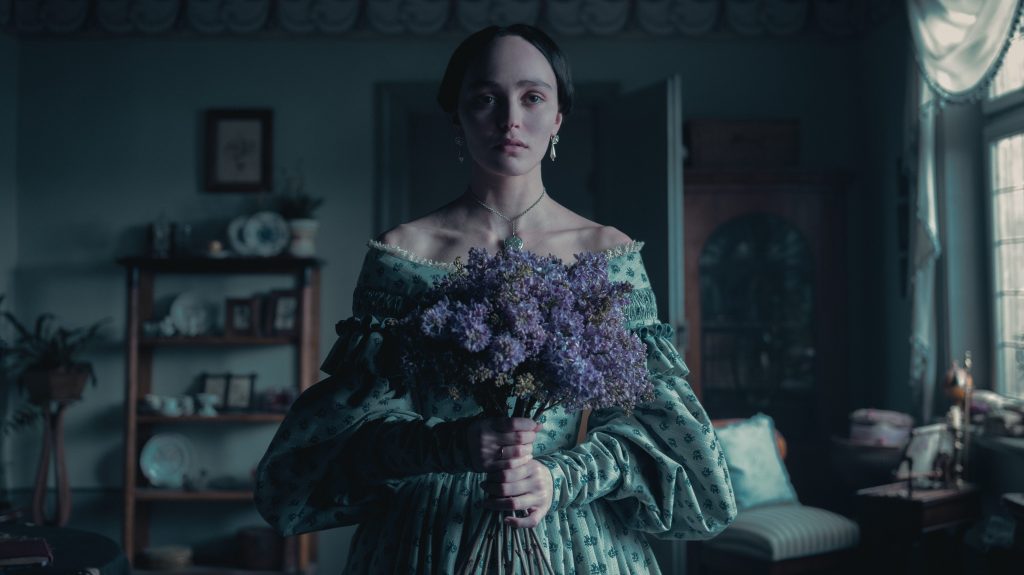
Exploring the Empowering Journey Behind Lily-Rose Depp’s Role in the ‘Nosferatu’ Remake
The film industry is often a realm of transformation, where stories are reimagined and brought to life through the lens of passionate creators. One of the most anticipated projects in recent years is the remake of the classic horror film ‘Nosferatu.’ Directed by the visionary Robert Eggers and featuring a talented cast led by Bill Skarsgård and Lily-Rose Depp, this film promises to be both a tribute to the original and a fresh interpretation of its themes. In an exclusive interview, Depp opened up about her empowering journey throughout the production, shedding light on the collaborative efforts that have spanned a decade and the profound impact of this experience on her career and personal growth.
The Legacy of ‘Nosferatu’
Originally released in 1922, ‘Nosferatu’ is a silent film directed by F. W. Murnau, widely regarded as one of the first and most influential horror films in cinema history. Its unauthorized adaptation of Bram Stoker’s ‘Dracula’ introduced audiences to Count Orlok, a character that has become synonymous with cinematic horror. The film’s haunting imagery and innovative techniques set the stage for future horror films and established a legacy that filmmakers continue to draw upon today.
The decision to remake such a classic is fraught with both artistic and commercial challenges. Directors like Robert Eggers, known for his meticulous attention to detail and atmospheric storytelling in films like ‘The Witch’ and ‘The Lighthouse,’ are tasked with not only honoring the original but also reinventing it for a contemporary audience. This delicate balance is crucial to ensuring that the remake resonates with both fans of the original and a new generation of viewers.
Depp’s Transformative Experience
Lily-Rose Depp’s involvement in the ‘Nosferatu’ remake marks a significant point in her acting career. In her interview, she described the experience as transformative, emphasizing the depth of character exploration required for a film steeped in horror and psychological complexity. “Working on ‘Nosferatu’ has been a journey of self-discovery,” Depp shared. “I had to delve into emotions and fears that I hadn’t explored before. It was empowering to embrace those darker aspects of storytelling.”
The Role of Collaboration
Collaboration is at the heart of any successful film project, and the dynamic between Depp, Eggers, and Skarsgård exemplifies this principle. Eggers’ vision for the film demanded a high level of creativity and commitment from the cast. “Robert has a unique way of drawing out performances that feel raw and authentic,” Depp noted, highlighting the director’s ability to create a safe space for actors to explore their characters’ complexities.
Bill Skarsgård, who plays Count Orlok, also reflected on the collaborative nature of the project. “We were all deeply invested in bringing this story to life, and it required a lot of trust among the team,” he explained. This mutual respect and shared vision fostered an environment where actors could push their boundaries and fully embody their roles.
Challenges and Triumphs
The production of the ‘Nosferatu’ remake has not been without its challenges. Over the course of a decade, numerous obstacles have arisen, from securing financing to navigating the intricacies of special effects and set design. Eggers has been candid about the hurdles faced throughout the process, but he remains committed to his vision. “Every setback has taught us something valuable,” he stated during a recent press event. “It’s about finding strength in adversity.”
Depp echoed this sentiment, stating that overcoming these challenges has ultimately fostered a deeper connection among the cast and crew. “Every hardship we faced only made us more determined to create something special,” she said. The collective experience of navigating these trials has forged a strong bond between the team, contributing to the film’s emotional depth.
The Importance of Representation
Another crucial aspect of the ‘Nosferatu’ remake lies in its potential for representation within the horror genre. Historically, horror films have often sidelined female characters, relegating them to roles that serve primarily as victims or love interests. However, Depp’s character is expected to break these stereotypes, showcasing a multifaceted portrayal that emphasizes strength and agency.
“It’s important for modern audiences to see complex female characters who are not just there to support the male lead,” Depp asserted. “In this film, we are exploring themes of power and vulnerability, and I’m excited for viewers to see that.” This shift towards more inclusive storytelling is a welcome change in a genre that has often been criticized for its representation—or lack thereof—of women.
The Broader Implications of the Remake
The anticipation surrounding the ‘Nosferatu’ remake extends beyond the film itself; it reflects a broader trend within the industry of revisiting classic stories with a modern lens. Remakes and reboots have become a staple of contemporary cinema, often sparking debates about originality and the value of reinterpreting established narratives.
Critics argue that remakes can dilute the significance of the original works, while supporters contend that they offer fresh perspectives and opportunities for dialogue about timeless themes. In the case of ‘Nosferatu,’ the film’s exploration of fear, isolation, and the human condition remains relevant, making it a fitting candidate for reinterpretation.
The Future of Horror
As the horror genre continues to evolve, the ‘Nosferatu’ remake may also pave the way for more innovative storytelling techniques. With advancements in technology, filmmakers can create immersive experiences that enhance the emotional impact of horror narratives. Eggers’ commitment to practical effects and atmospheric storytelling exemplifies a return to the roots of the genre, grounding the horror in authenticity rather than relying solely on CGI.
Conclusion
Lily-Rose Depp’s journey in the ‘Nosferatu’ remake encapsulates the transformative power of storytelling within the film industry. Through collaboration, resilience, and a commitment to representation, the cast and crew are poised to deliver a film that honors its iconic predecessor while providing a fresh lens on its timeless themes. As audiences eagerly await the film’s release, the discussions surrounding its implications for the horror genre and representation in cinema will continue to resonate, highlighting the enduring impact of classic tales reimagined for modern times.
In a world where stories shape our understanding of humanity, the ‘Nosferatu’ remake stands as a testament to the power of cinema to inspire, empower, and provoke thought long after the credits roll.
See more CNET Live