
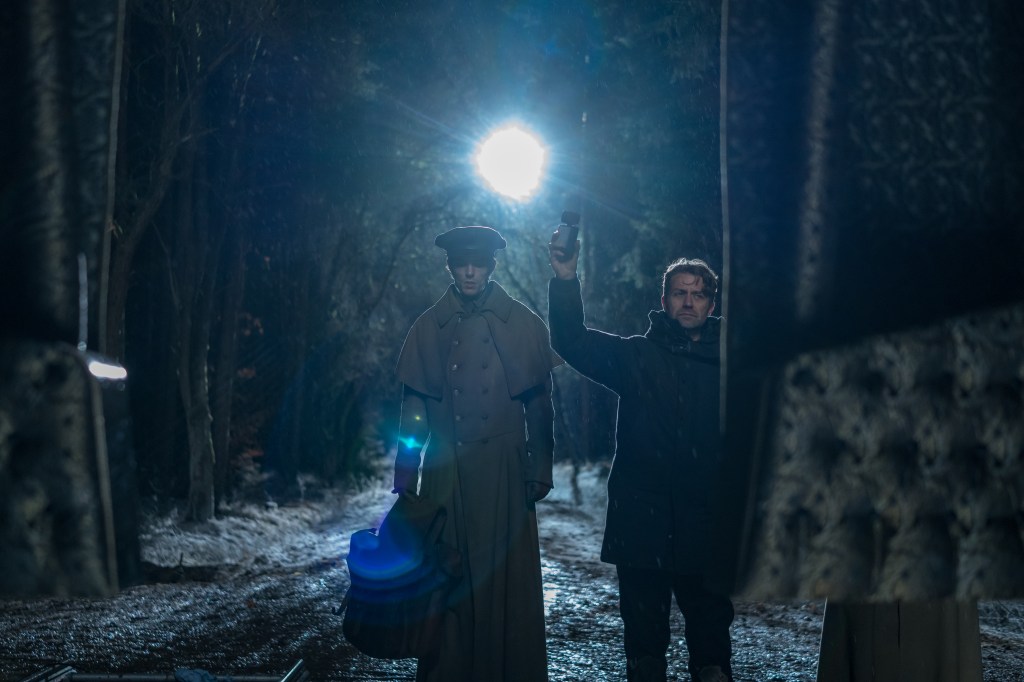
Behind the Scenes of ‘Nosferatu’: Craft Team Celebrates Oscar Nominations
As the film industry gears up for yet another awards season, the buzz surrounding the Oscar nominations for ‘Nosferatu’ has reached a fever pitch. With four nominations under its belt, this latest adaptation of the classic horror tale has not only captivated audiences but also garnered recognition for its remarkable craftsmanship. The creative forces behind ‘Nosferatu’ are taking a moment to reflect on their collaborative journey, shedding light on the visionary direction of Robert Eggers. In this article, we will explore the intricate details of the craft team’s contributions, their artistic synergy, and how Eggers’ unique vision helped breathe new life into this iconic narrative.
The Visionary Direction of Robert Eggers
Robert Eggers has established himself as a master storyteller, known for his meticulous attention to detail and immersive world-building. With ‘Nosferatu’, Eggers sought to honor the legacy of F.W. Murnau’s 1922 silent film while infusing it with contemporary themes and stylistic innovations. His vision was clear: to create a haunting atmosphere that would terrify and enchant viewers simultaneously.
Eggers’ approach to filmmaking is often characterized by his thorough research and dedication to authenticity. For ‘Nosferatu’, he delved deep into the historical context of the original film, studying the cultural and cinematic landscape of the early 20th century. He aimed to capture the essence of German Expressionism, a movement that heavily influenced the original ‘Nosferatu’, while also making it accessible to modern audiences.
The Craft Team’s Collaborative Journey
Behind every great film is a team of dedicated craftspeople working tirelessly to bring the director’s vision to life. The craft team for ‘Nosferatu’ included a diverse group of artists, including production designers, costume designers, makeup artists, and cinematographers. Each member contributed their expertise, creating a cohesive and immersive experience.
Production Design: Building a World
The production design team, led by the talented Tamara Deverell, played a pivotal role in establishing the film’s eerie atmosphere. Drawing inspiration from the original film, they meticulously crafted sets that echoed the surreal and nightmarish aesthetic of the silent era. From the crumbling walls of Count Orlok’s castle to the fog-laden streets of Wisborg, every detail was designed to evoke a sense of dread.
- Authentic materials were used to recreate the period setting.
- Lighting was strategically placed to enhance shadows and create a haunting ambiance.
Deverell noted, “Working with Robert was a dream. He encourages us to push boundaries while staying true to the emotional core of the story.” This collaborative spirit was evident in every aspect of the production design, resulting in a visually stunning film that transports viewers to another world.
Costume Design: Dressing the Characters
Costume design was another critical element of ‘Nosferatu’, with Linda Muir at the helm. Muir’s commitment to authenticity ensured that each character’s attire not only reflected their personality but also conveyed the film’s overarching themes of fear and isolation.
From the flowing gowns of the female leads to the tattered garments of the townspeople, every costume was crafted with precision. Muir explained, “The costumes are not just clothing; they are integral to telling the story. They help to reveal the characters’ inner struggles and fears.”
Makeup and Special Effects: Transforming Into Monsters
No discussion of ‘Nosferatu’ would be complete without mentioning the transformative makeup and special effects that brought Count Orlok to life. Headed by the visionary Mike Marino, the makeup team utilized both traditional and modern techniques to create a character that was both terrifying and tragic.
- The iconic long fingers and gaunt appearance of Count Orlok were achieved through a combination of prosthetics and artistry.
- Special attention was paid to the character’s eyes, evoking a sense of otherworldly menace.
Marino stated, “Robert wanted Count Orlok to be more than just a monster; he wanted to explore the character’s loneliness and desperation.” This approach added depth to the film, making Orlok a sympathetic figure rather than a one-dimensional villain.
The Cinematic Language of ‘Nosferatu’
One of the standout features of ‘Nosferatu’ is its striking cinematography, helmed by Jarin Blaschke. Known for his collaboration with Eggers on previous projects, Blaschke brought a unique visual language to the film that enhanced its emotional impact.
Utilizing a combination of wide-angle lenses and innovative lighting techniques, Blaschke created a sense of claustrophobia that mirrors the characters’ internal struggles. The choice of monochromatic palettes and contrasting shadows pays homage to the silent film era while also delivering a modern cinematic experience.
Innovative Techniques
In a nod to the original ‘Nosferatu’, Blaschke incorporated practical effects and minimal CGI, allowing for a more tangible and visceral viewing experience. “We aimed to create a sense of realism that would immerse the audience in the story,” he explained. This dedication to craftsmanship undoubtedly contributed to the film’s Oscar nominations, showcasing the power of collaboration in realizing a director’s vision.
Celebrating the Oscar Nominations
The announcement of four Oscar nominations for ‘Nosferatu’ has been met with excitement and pride among the craft team. The nominations highlight not only the individual contributions of each team member but also the power of collaboration in achieving a shared vision.
As the team prepares for the awards ceremony, they reflect on the journey that brought them to this moment. “It’s incredible to see our hard work recognized,” said Eggers. “But more than that, it’s a testament to the creativity and talent of everyone involved.”
Conclusion: The Legacy of ‘Nosferatu’
‘Nosferatu’ stands as a testament to the enduring power of storytelling and the collaborative spirit of filmmaking. As audiences eagerly await the awards ceremony, the craft team’s celebration of their Oscar nominations serves as a reminder of the magic that happens behind the scenes—where vision, talent, and dedication converge to create cinematic art.
With Robert Eggers at the helm, ‘Nosferatu’ not only revitalizes a classic tale but also sets a new standard for horror films, proving that with passion and collaboration, even the most haunting stories can resonate with modern audiences. The craft team’s journey illustrates that great films are not just made; they are forged through collaboration, creativity, and an unwavering commitment to the art of filmmaking.
See more CNET Live