
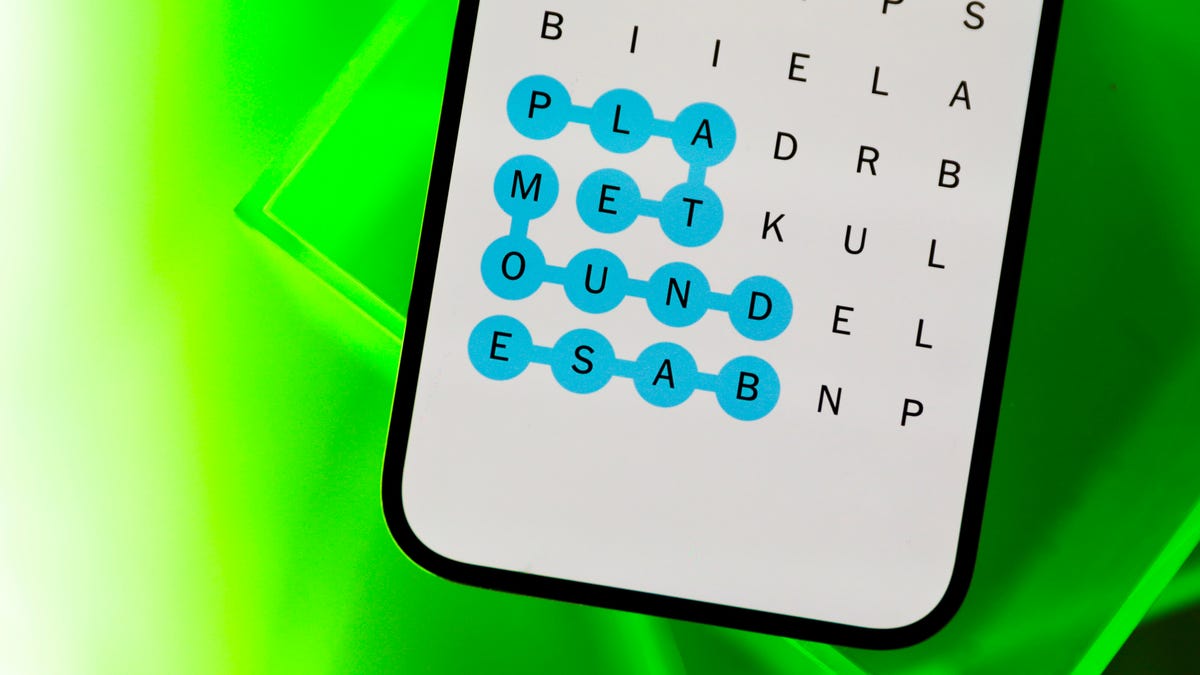
Unraveling Today’s NYT Puzzle: Tips and Insights for January 27, #330
Diving into the world of crossword puzzles is both an engaging and fulfilling activity. The New York Times (NYT) crossword, in particular, has become a staple for puzzle enthusiasts around the globe. On January 27, 2023, puzzle number 330 presents a fresh set of challenges and delights for solvers. In this article, we’ll explore effective strategies to tackle today’s NYT puzzle, share insights into its construction, and provide tips that can enhance your overall crossword-solving skills.
Understanding Today’s NYT Puzzle: January 27, #330
The NYT crossword puzzle is known for its clever clues, intricate wordplay, and a mixture of trivia that can span various topics. Each puzzle typically includes a theme, which can guide solvers in deducing answers. For January 27, #330, familiarizing yourself with the overall structure of the puzzle is essential. Generally, the puzzle consists of a grid of black and white squares, where black squares separate the answers and white squares contain the letters of the answers.
Today’s puzzle challenges solvers to think critically and creatively. It often requires knowledge across various subjects, including pop culture, history, and current events. If you’re new to this specific puzzle, or even if you’re a seasoned solver, here are some tips to help you unravel its mysteries.
Tips for Solving Today’s NYT Puzzle
- Start with the Easy Clues: Begin by scanning the puzzle for clues that seem straightforward. Filling in the easier answers first can help you get a foothold in the grid, providing letters for the more challenging clues.
- Look for Theme Clues: Many NYT puzzles have a theme that connects several answers. Identifying this theme can help you solve related clues more easily. If you notice a pattern, leverage it as you progress.
- Work in Sections: Don’t feel pressured to solve the puzzle from left to right or top to bottom. Focus on sections where you have gathered some letters. This can help you make educated guesses on interlocking clues.
- Use the Crossword Dictionary: If you find yourself stuck, a crossword dictionary or an online solving tool can provide assistance. These resources can help you discover words that fit the given letters and clue structure.
- Practice Common Abbreviations: Crosswords often use abbreviations, particularly for time, measurements, or common terms. Familiarizing yourself with these can save you time and frustration.
Enhancing Your Crossword Skills
Improving your crossword skills takes time and practice, but the journey can be incredibly rewarding. Here are a few strategies that can help you become a more adept solver, especially for puzzles like today’s NYT edition.
Expand Your Knowledge Base
Crossword puzzles often draw upon a wide range of knowledge. Make it a habit to read diversely—books, articles, and reputable online content—across various subjects. This not only helps you gather information but also exposes you to new vocabulary and facts that can come in handy during puzzle-solving.
Join a Crossword Community
Engaging with others who share your interest in crosswords can be both fun and informative. There are numerous online forums and social media groups dedicated to crossword puzzles. Sharing experiences, discussing clues, and learning from each other can enhance your skills significantly.
Practice Regularly
The adage “practice makes perfect” certainly applies to crossword puzzles. The more you practice, the more familiar you become with the types of clues and word combinations that frequently appear. Consider setting aside time each day to tackle a puzzle, whether it’s the NYT or another publication.
Insights into Puzzle Construction
Understanding how crossword puzzles are constructed can provide valuable insights into solving them. Most NYT puzzles are created by experienced constructors who have a knack for crafting clever clues and engaging themes. They often adhere to certain conventions:
- Grid Design: The layout of black and white squares is carefully planned to ensure a balanced distribution of letters, making it solvable from various starting points.
- Wordplay and Puns: Many clues involve wordplay, including puns, homophones, and double meanings. Being aware of these tricks can help you think outside the box.
- Difficulty Levels: Puzzles are usually designed with a progression of difficulty, meaning that early clues will be easier to solve compared to those at the end. This structure helps build confidence as you work through the grid.
Final Thoughts
As you embark on solving the January 27, #330 NYT puzzle, remember that the journey is just as important as the destination. Embrace the challenges it presents, and don’t hesitate to take breaks if you find yourself stuck. The satisfaction of completing a crossword, especially one as renowned as the NYT, is a reward in itself.
With practice, patience, and the tips outlined above, you’ll not only enhance your skills but also cultivate a deeper appreciation for the art of crossword construction and solving. Happy puzzling!
See more CNET Live