
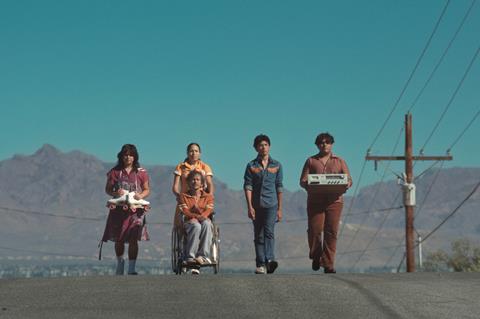
A Timely Tale: ‘Olmo’ Explores the Heart of a Mexican-American Family
The film industry has always been a mirror reflecting society, and *Olmo* emerges as a poignant coming-of-age narrative that encapsulates the experiences of a Mexican-American family, resonating deeply with contemporary themes. Premiering at the Berlin Film Festival, this film invites audiences to reflect on identity, culture, and familial bonds. Let’s dive deeper into what *Olmo* brings to the table and why it stands out in today’s cinematic landscape.
Understanding the Narrative of ‘Olmo’
*Olmo* centers around the life of a young boy navigating the complexities of growing up in a Mexican-American household. The film delves into how cultural identity shapes personal experiences, particularly within the framework of family dynamics. At its core, *Olmo* is not just about one boy’s journey; it’s a broader commentary on the challenges faced by immigrant families striving to maintain their cultural heritage while assimilating into a new society.
Set against the backdrop of vibrant Los Angeles neighborhoods, the film beautifully juxtaposes the traditional values of Olmo’s family with the contemporary American lifestyle. This duality serves as a fertile ground for conflict, growth, and ultimately, understanding. The film’s visual storytelling captures the essence of both worlds, showcasing the rich tapestry of Mexican culture while exploring the nuances of American life.
Key Themes Explored in ‘Olmo’
The narrative of *Olmo* is rich with themes that resonate with audiences from diverse backgrounds. Here are some of the key themes explored in the film:
- Identity and Belonging: At the heart of Olmo’s journey is the struggle to define his identity. How does one reconcile the expectations of one’s heritage with the desire to fit in with peers? This theme speaks volumes in a society increasingly aware of multiculturalism.
- Familial Bonds: *Olmo* emphasizes the importance of family support in navigating life’s challenges. The relationships between Olmo and his family members are depicted with sincerity and depth, illustrating the unconditional love that binds them.
- Cultural Heritage: The film celebrates Mexican culture, showcasing traditions, music, and cuisine that play a significant role in shaping Olmo’s identity and life experiences.
- Coming of Age: As Olmo faces various trials—friendship dilemmas, educational pressures, and cultural expectations—viewers witness his transformation from childhood innocence to a more nuanced understanding of the world around him.
Visual and Emotional Storytelling
The cinematography of *Olmo* is a character in itself, beautifully capturing the essence of Mexican-American life. Directors often use color palettes that reflect the vibrancy of the culture, with warm tones symbolizing family warmth and cooler tones illustrating moments of conflict and introspection.
Moreover, the film employs a mix of traditional and modern music to enhance the storytelling. The soundtrack is carefully curated to include both classic Mexican songs and contemporary American hits, further highlighting the duality of Olmo’s existence. This auditory landscape allows viewers to feel the emotional weight of the narrative deeply.
Critical Reception at the Berlin Film Festival
The film also sparked conversations about representation in cinema. As more filmmakers of diverse backgrounds step into the spotlight, *Olmo* stands as a testament to the importance of storytelling that reflects varied experiences. It not only entertains but also educates, fostering a deeper understanding of cultural dynamics.
Why ‘Olmo’ Matters Today
In a world that often feels divided along cultural lines, *Olmo* serves as a bridge. Its themes of love, acceptance, and cultural pride resonate with individuals facing similar struggles, regardless of their background. The film encourages viewers to reflect on their identities and the legacies of their families, fostering empathy and understanding.
Moreover, *Olmo* is a reminder of the power of storytelling. In a time when media representation is crucial, films like *Olmo* challenge stereotypes and offer nuanced portrayals of the Mexican-American experience. By showcasing the beauty and complexity of this cultural narrative, the film contributes to a broader dialogue about identity and belonging in modern society.
The Future of Mexican-American Cinema
As *Olmo* sets a precedent at international film festivals, it paves the way for more stories from underrepresented communities to be told. The success of films like *Olmo* is a call to action for filmmakers and producers to invest in diverse narratives that reflect the rich tapestry of American life. The future of cinema should not only entertain but also educate, inspire, and unite audiences across cultural divides.
By embracing stories that highlight the challenges and triumphs of Mexican-American families, the film industry can foster greater understanding and appreciation for the myriad experiences that shape our society. *Olmo* is not just a film; it’s a movement towards inclusivity and representation in storytelling.
Conclusion: A Journey Worth Taking
In conclusion, *Olmo* is a timely tale that beautifully encapsulates the heart of a Mexican-American family. As it explores themes of identity, culture, and familial bonds, it resonates deeply with contemporary audiences navigating similar experiences. Premiering at the Berlin Film Festival, this film invites viewers to embark on a journey of self-discovery and reflection, challenging them to embrace their own stories. As we celebrate the richness of diverse narratives, *Olmo* stands as an important reminder of the power of cinema to connect us all.
See more CNET Live