
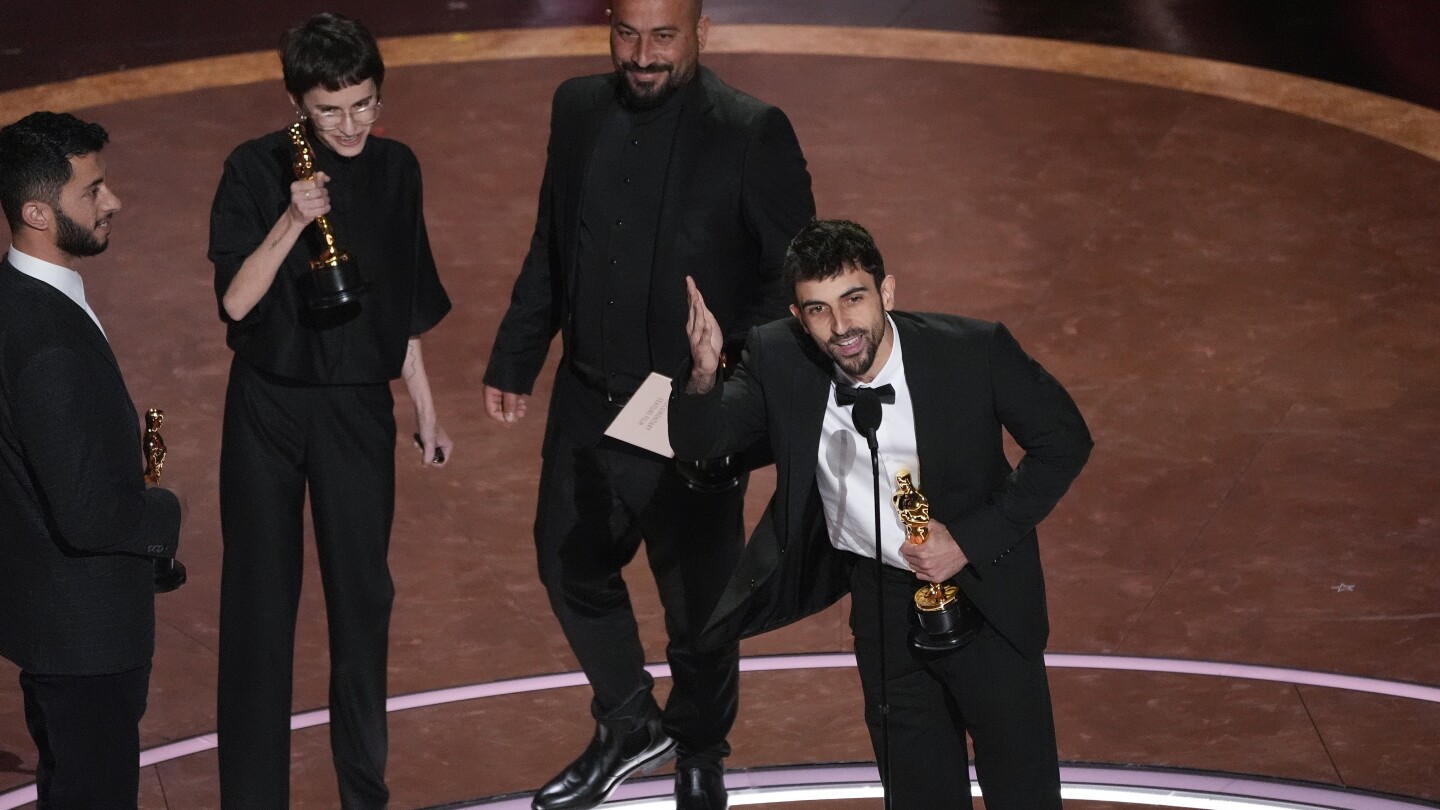
Oscar-Winning Documentary ‘No Other Land’: A Unique Israeli-Palestinian Narrative
The documentary ‘No Other Land’ has recently taken the world by storm, claiming the prestigious Oscar for Best Documentary. This film stands out not only for its award-winning status but also for its powerful storytelling that bridges divides between Israeli and Palestinian communities. Through a collaboration of filmmakers from both sides, it presents a nuanced exploration of identity, history, and shared humanity in a region marked by conflict.
The Creative Collaboration Behind ‘No Other Land’
One of the most striking features of ‘No Other Land’ is the collaboration between Israeli and Palestinian filmmakers. This partnership reflects a significant step towards mutual understanding amidst a backdrop of long-standing tensions. The filmmakers—each bringing unique perspectives and experiences—work together to craft a narrative that transcends traditional borders and stereotypes.
- Shared Visions: The filmmakers delve into personal stories, showcasing the daily lives of individuals affected by the conflict. By focusing on human experiences rather than political ideologies, they foster empathy and connection.
- Joint Productions: The merging of talents from both communities creates a richer, more complex narrative. This documentary proves that collaboration is possible, even in environments where divisions seem insurmountable.
Exploring Identity and Belonging
At the heart of ‘No Other Land’ is a profound exploration of identity. The film grapples with questions of belonging and the meaning of home—concepts that resonate deeply within both Israeli and Palestinian cultures.
Through interviews and personal accounts, viewers are invited into the lives of the subjects, who articulate their hopes, fears, and dreams. This intimate portrayal serves to humanize the abstract concepts of nationality and territory, allowing audiences to see beyond the media narratives that often simplify the conflict.
A Cinematic Journey
The documentary employs a range of cinematic techniques that enhance its storytelling. From stunning visuals of the landscape to poignant sound design, ‘No Other Land’ immerses viewers in its world. The use of personal anecdotes and historical context provides a balanced perspective that encourages reflection and dialogue.
- Visual Storytelling: The cinematography captures the beauty and complexity of the region, juxtaposing scenes of natural landscapes with the realities of urban life.
- Emotional Resonance: The film’s score complements the narrative, heightening emotional engagement and reinforcing the personal stakes involved.
The Impact of ‘No Other Land’
Winning the Oscar for Best Documentary is a significant achievement, but the impact of ‘No Other Land’ extends far beyond accolades. The film has sparked conversations around the globe regarding the Israeli-Palestinian conflict, promoting understanding and empathy.
Many viewers have reported feeling a shift in their perspectives after watching the film. By presenting stories of individual lives rather than broad political statements, it encourages audiences to reconsider their assumptions and engage in meaningful dialogue.
Reactions from the Community
The reception of ‘No Other Land’ within both Israeli and Palestinian communities has been overwhelmingly positive. Many have expressed gratitude for the representation of their stories and the opportunity to see their lives reflected on screen.
- Palestinian Perspectives: Palestinian viewers have noted the importance of seeing their narratives told authentically, challenging the often one-dimensional portrayals found in mainstream media.
- Israeli Insights: Israeli audiences have appreciated the film’s commitment to presenting a balanced view, allowing them to engage with narratives that they may not have been exposed to before.
Educational Value and Future Implications
Beyond its artistic merit, ‘No Other Land’ serves as an educational tool. Schools and universities are beginning to incorporate the documentary into their curricula, using it as a springboard for discussions on conflict resolution, identity, and cultural understanding.
As the film reaches wider audiences, it has the potential to influence public opinion and foster a culture of dialogue. By highlighting shared experiences and common humanity, ‘No Other Land’ exemplifies how art can be a vehicle for peace and understanding.
The Future of Israeli-Palestinian Cinema
The success of ‘No Other Land’ may pave the way for more collaborative projects between Israeli and Palestinian filmmakers. As the documentary landscape evolves, there is a growing demand for stories that reflect the complexities of identity and conflict in the region.
Future projects inspired by ‘No Other Land’ could focus on:
- Youth Narratives: Exploring the perspectives of young people growing up in this divided landscape could offer fresh insights into hope and resilience.
- Artistic Collaborations: Encouraging artists from both sides to collaborate can lead to innovative storytelling techniques that challenge existing narratives.
Conclusion
In conclusion, ‘No Other Land’ is not just an Oscar-winning documentary; it is a testament to the power of storytelling and the possibility of collaboration amidst conflict. By weaving together the narratives of Israeli and Palestinian lives, the filmmakers have created a poignant reminder of our shared humanity.
As we reflect on the film’s themes of identity, belonging, and empathy, we are reminded that understanding and dialogue are essential in the pursuit of peace. The success of ‘No Other Land’ marks a hopeful chapter in the ongoing narrative of the Israeli-Palestinian relationship, one that could inspire future generations to seek connections rather than divisions.
See more CNET Live