
The Oscar Controversy: Will “No Other Land” Redefine Documentary History?
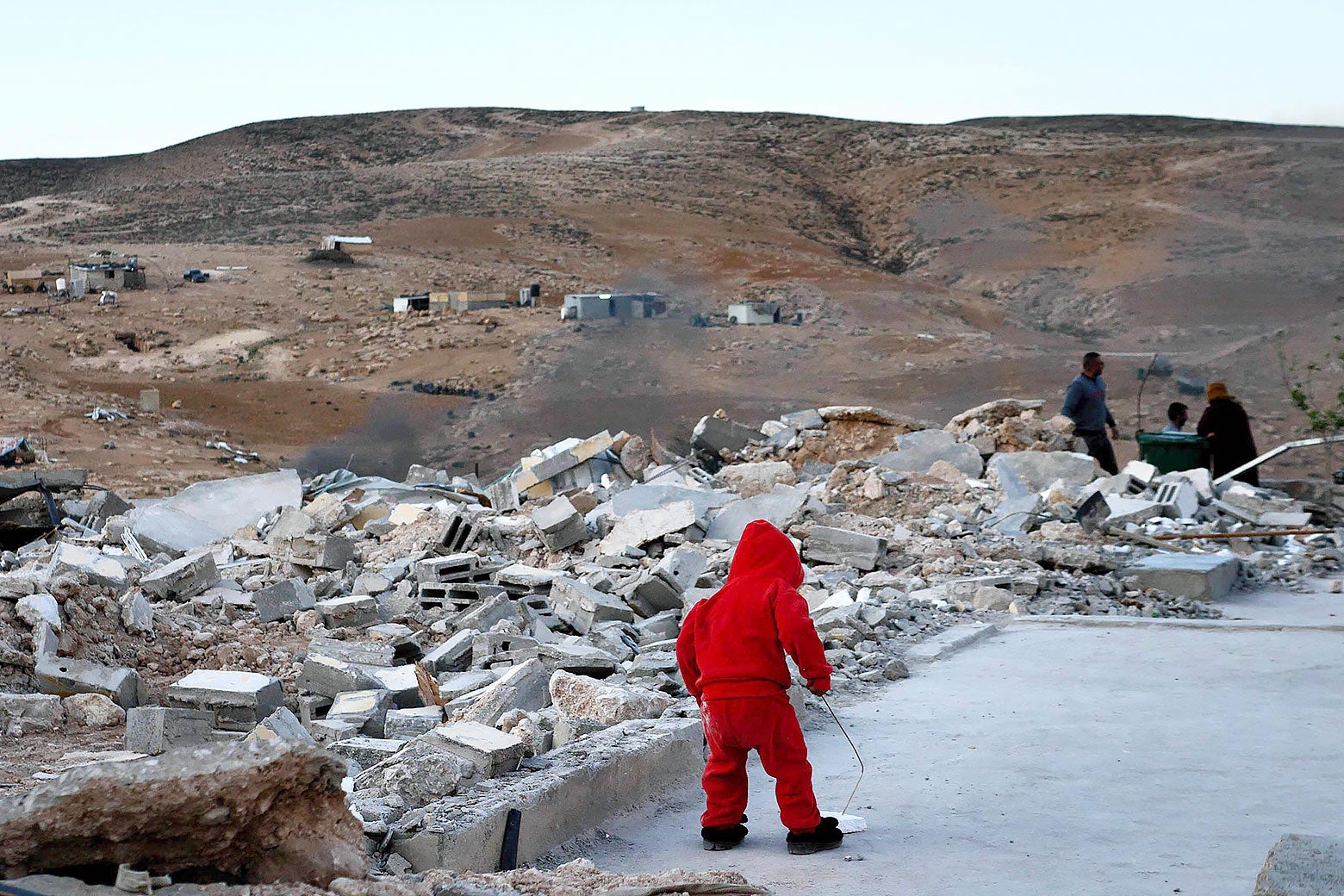
As the documentary No Other Land gains traction as a potential Oscar contender, it ignites a fierce debate over its implications for storytelling in the Israel-Palestine conflict. Critics argue that its recognition could set a troubling precedent in the world of documentary filmmaking. The film, which chronicles the nuanced and often painful narratives surrounding this long-standing conflict, poses both an artistic and ethical dilemma for filmmakers and viewers alike.
Understanding “No Other Land”
No Other Land is a documentary that delves into the complex lives of individuals living in the contested territories of Israel and Palestine. Directed by a filmmaker with deep roots in the region, the documentary aims to present a multifaceted view of the conflict, highlighting the human stories often overshadowed by political rhetoric. This approach has attracted both praise and criticism, as audiences grapple with the film’s portrayal of sensitive issues.
The Film’s Narrative Approach
The strength of No Other Land lies in its narrative approach. Rather than presenting a singular viewpoint, the documentary captures a tapestry of experiences from various perspectives—Israeli settlers, Palestinian civilians, peace activists, and soldiers. By doing so, it seeks to foster empathy and understanding, urging viewers to consider the humanity of all involved.
- Human Stories: The film focuses on individuals, emphasizing their dreams, fears, and struggles.
- Diverse Perspectives: By showcasing different voices, the documentary invites dialogue rather than division.
- Emotional Resonance: The personal narratives aim to evoke an emotional response, encouraging viewers to reflect on the realities of life in the region.
The Oscar Implications
The Oscars have long been a platform for recognizing excellence in filmmaking, but they also serve as a barometer for cultural and political trends. The potential nomination of No Other Land raises questions about the criteria used to evaluate documentaries, particularly those that tackle contentious subjects.
Artistic Merit vs. Political Messaging
One of the central debates surrounding No Other Land is whether its artistic merit can be separated from its political messaging. Supporters argue that the film’s ability to humanize the conflict and provoke critical thought is precisely what makes it worthy of recognition. Critics, however, caution that awarding such a film could inadvertently endorse a particular political stance, potentially alienating segments of the audience.
The Criticism: Setting a Precedent
Critics of No Other Land express concern that its recognition at the Oscars might set a precedent for documentaries that prioritize narrative over neutrality. The fear is that filmmakers might feel pressured to adopt sensational or polarizing viewpoints to gain acclaim, thereby compromising journalistic integrity.
- Potential Polarization: If the film is viewed as taking sides, it may deepen existing divides rather than bridge them.
- Impact on Future Documentaries: A trend towards politically charged storytelling could shape the future landscape of documentary filmmaking.
- Ethical Concerns: The line between advocacy and journalism may become blurred, leading to ethical dilemmas for filmmakers.
Broader Context: The Role of Documentaries in Social Change
Documentaries have historically played a crucial role in raising awareness and driving social change. Films like 13th, Won’t You Be My Neighbor?, and My Octopus Teacher have not only entertained but have also educated audiences, prompting them to engage with pressing social issues. In this context, No Other Land could be seen as part of a broader movement aiming to shed light on the complexities of human existence amidst geopolitical turmoil.
Potential for Dialogue
Proponents of No Other Land argue that its Oscar candidacy could catalyze important conversations about the Israel-Palestine conflict. By bringing attention to diverse narratives, the film has the potential to encourage viewers to engage in constructive dialogue rather than entrenched positions.
Conclusion: The Future of Documentary Storytelling
The Oscar controversy surrounding No Other Land reflects broader questions about the role of documentaries in society. As filmmakers continue to navigate the delicate balance between storytelling and political advocacy, the recognition of such works raises critical discussions about the ethical responsibilities of creators.
Ultimately, whether No Other Land redefines documentary history remains to be seen. What is clear is that the film has sparked a necessary debate about the power of storytelling in addressing complex social issues. As audiences grapple with the nuances of the Israel-Palestine conflict, documentaries like No Other Land remind us of the importance of empathy, understanding, and dialogue in an increasingly polarized world.
As the Oscars approach, the film’s potential recognition could serve as a litmus test for the documentary genre, challenging filmmakers to consider not only how they tell stories but whose stories they choose to tell. In the end, perhaps it is this very discussion that will redefine what it means to document history in the modern era.
See more CNET Live