
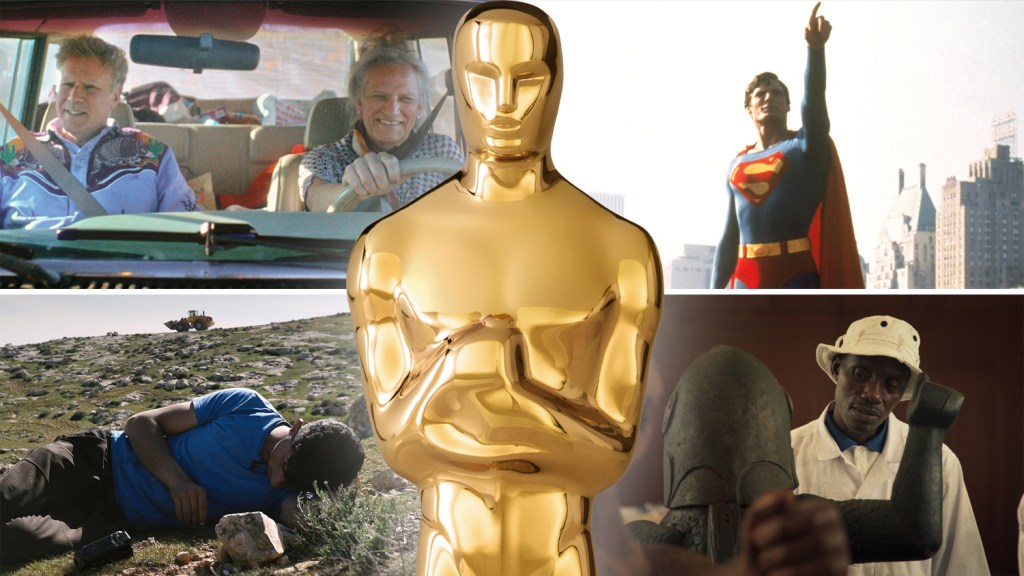
Oscar Documentary Shortlist: Surprising Snubs and Highlights Revealed
The recent announcement of the Oscar documentary shortlist has stirred significant debate within the film community. While the shortlist celebrates a diverse range of compelling narratives, it has also spotlighted some unexpected exclusions that have left fans and filmmakers bewildered. Notably, the inclusion of Will Ferrell’s documentary contrasted sharply with the absence of Christopher Reeve’s poignant film, igniting discussions about what constitutes merit in the documentary category.
Understanding the Shortlist Dynamics
The Academy of Motion Picture Arts and Sciences employs a rigorous process for selecting films for its prestigious awards. The documentary shortlist is a reflection of both artistic excellence and the changing landscape of documentary filmmaking. This year’s shortlist includes a blend of well-known filmmakers and first-time directors, showcasing innovative storytelling techniques that resonate with contemporary audiences.
Highlights from the Shortlist
Among the standout contenders, several documentaries have garnered praise for their unique approaches to storytelling:
- Will Ferrell’s Documentary: The comedian’s entry has surprised many, given his background primarily in comedy. However, the documentary’s engaging subject matter and Ferrell’s unique perspective have earned it a spot on the shortlist.
- Environmental Documentaries: Several films focusing on climate change and environmental issues have made the cut, reflecting a growing awareness and urgency regarding global challenges.
- Social Justice Themes: Documentaries that tackle social justice issues, including racial inequality and gender rights, continue to resonate and find their place in the shortlist, highlighting the role of film as a catalyst for change.
Notable Snubs: Christopher Reeve’s Absence
While the shortlist features a range of compelling documentaries, the omission of Christopher Reeve’s project has prompted discussions about the criteria used for selection. Reeve, known for his iconic role as Superman and his advocacy for spinal cord injury research, produced a documentary that delves into the realities faced by those with disabilities. Critics have expressed disappointment, suggesting that the film’s deeply personal and socially relevant narrative deserved recognition.
This snub raises questions about the Academy’s decision-making process. Is there bias towards certain styles of documentary filmmaking? Are more commercial or mainstream projects prioritized over deeply personal narratives? These inquiries not only highlight the complexities of documentary filmmaking but also reflect broader societal values and biases.
The Impact of Social Media and Public Opinion
In today’s digital age, the reaction to the Oscar shortlist has been amplified through social media platforms. Fans, filmmakers, and critics alike have taken to Twitter, Instagram, and Facebook to voice their opinions, creating a vibrant dialogue around the selections and exclusions.
Social media has democratized the conversation about film, allowing for a wider range of voices to contribute to the discourse. This engagement can influence the perception of documentaries and their creators, potentially swaying public support and, ultimately, the outcomes of awards like the Oscars.
Broader Implications for Documentary Filmmaking
The documentary genre has evolved significantly over the past decade, embracing new technologies and storytelling methods. Streaming platforms have revolutionized how documentaries are produced and consumed, leading to an increase in diverse voices and narratives. This shift has implications for the Oscar selections, as the Academy must adapt to an ever-changing landscape.
Moreover, the inclusion of certain projects over others can set trends within the industry. Filmmakers may feel pressured to align their work with the types of stories that resonate with the Academy, potentially stifling creativity and innovation. The tension between artistic expression and commercial viability is an ongoing challenge in the film industry.
The Oscar documentary shortlist serves as a reflection of both the current state of filmmaking and the evolving cultural landscape. The mix of surprising inclusions and notable snubs has sparked important discussions about merit, representation, and the role of documentary film in society. As filmmakers continue to push boundaries and explore new narratives, the Academy faces the challenge of recognizing these efforts while remaining true to the spirit of documentary filmmaking.
Ultimately, the discussions surrounding the shortlist highlight the importance of diverse voices and narratives in the documentary genre. As the industry continues to evolve, it is crucial for the Academy and its voters to embrace a wider range of stories that reflect the complexities of our world, ensuring that all filmmakers have the opportunity to share their unique perspectives.
See more CNET Live