
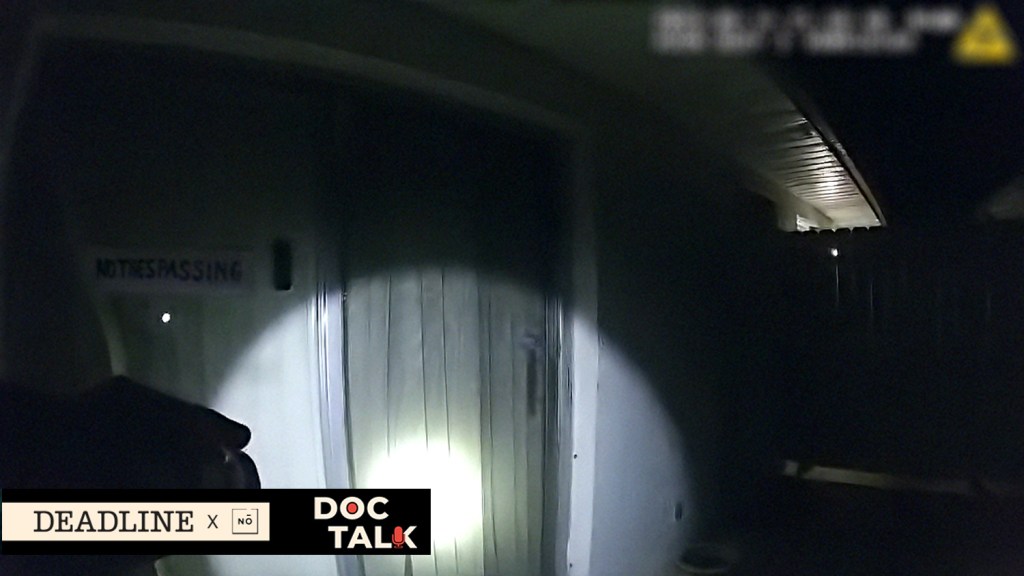
Inside the Oscar Race: Analyzing Sundance’s ‘The Perfect Neighbor’
In the world of documentary filmmaking, few events garner as much attention as the Oscar race. Each year, the Academy of Motion Picture Arts and Sciences recognizes outstanding documentaries that provide powerful insights into our society. This year, one film that has captured the spotlight is ‘The Perfect Neighbor’, which premiered at the renowned Sundance Film Festival. In the latest episode of the Doc Talk Podcast, hosts delve into the intricacies of this year’s Oscar documentary nominations, examining what makes ‘The Perfect Neighbor’ a standout contender.
The Sundance Experience
The Sundance Film Festival, held annually in Park City, Utah, is a mecca for filmmakers and cinephiles alike. It’s a platform where emerging voices can showcase their work, often leading to significant recognition in the broader film industry. ‘The Perfect Neighbor’, directed by the talented Sofia Leung, is no exception. It made waves at this year’s festival, earning accolades for its poignant storytelling and profound thematic depth.
As the film navigates through the complexities of community, belonging, and the human experience, it resonates with audiences on multiple levels. Leung’s ability to weave personal narratives with broader societal issues is a hallmark of her style, making ‘The Perfect Neighbor’ a film that lingers long after the credits roll.
What Makes ‘The Perfect Neighbor’ Stand Out?
‘The Perfect Neighbor’ explores the life of a seemingly idyllic suburban community, unraveling the facade to reveal the underlying tensions and secrets that define it. The documentary features interviews with residents, archival footage, and expert commentary that together create a rich tapestry of perspectives.
- Relatable Themes: The film tackles themes of isolation, community dynamics, and the search for belonging—issues that resonate deeply in today’s fragmented society.
- Innovative Storytelling: Leung employs a unique narrative structure that oscillates between personal stories and broader societal observations, keeping viewers engaged and invested.
- Visual Aesthetic: The cinematography captures the beauty of suburban life while simultaneously highlighting its underlying complexities, creating a visual contrast that enhances the storytelling.
Oscar Nominations: The Journey to Recognition
As the Oscar race heats up, ‘The Perfect Neighbor’ has garnered significant attention, positioning itself as a strong contender among this year’s documentary nominations. The film’s journey to recognition is a testament to the hard work and dedication of its creators. But what exactly are the criteria that the Academy considers when awarding these prestigious nominations?
- Impact: Documentaries that provoke thought and inspire change tend to resonate well with the Academy. ‘The Perfect Neighbor’ sparks conversations about community and empathy, making it a strong candidate.
- Craftsmanship: The technical aspects of filmmaking—editing, sound design, and cinematography—play a crucial role in a documentary’s success. Leung’s meticulous attention to detail elevates the film’s quality and impact.
- Relevance: The film’s exploration of contemporary issues ensures its relevance, aligning with the Academy’s focus on narratives that reflect current societal challenges.
Insights from the Doc Talk Podcast
The Doc Talk Podcast has become a vital resource for those interested in the documentary film landscape. In the latest episode, hosts discuss ‘The Perfect Neighbor’, offering insights into its production, themes, and the potential implications of its Oscar nomination.
One of the key takeaways from the podcast is the importance of storytelling in documentaries. The hosts emphasize that a compelling narrative can elevate a film from being merely informative to transformative. This point is particularly relevant in the context of ‘The Perfect Neighbor’, where the intertwining personal stories effectively convey larger truths about community and connection.
The Cultural Significance of Documentaries
Documentaries like ‘The Perfect Neighbor’ play a crucial role in shaping public discourse. In an age where misinformation can spread rapidly, documentaries serve as a means to present well-researched and thoughtfully constructed narratives. They challenge viewers to engage with important issues and foster a deeper understanding of the world around them.
Furthermore, the Oscar nominations shine a spotlight on the documentary genre, encouraging more filmmakers to explore real-life stories. This year, with ‘The Perfect Neighbor’ in the running, audiences can expect a renewed interest in documentary filmmaking, potentially leading to a surge in impactful stories being told.
Conclusion: The Future of ‘The Perfect Neighbor’
As ‘The Perfect Neighbor’ continues to make waves in the Oscar race, it stands as a testament to the power of documentary filmmaking. Its exploration of the human condition, combined with its artistic merit, positions it as a frontrunner in this year’s nominations. The discussions surrounding the film, especially in forums like the Doc Talk Podcast, highlight the importance of such narratives in contemporary society.
For filmmakers, audiences, and industry insiders alike, ‘The Perfect Neighbor’ represents a beacon of hope—a reminder of the importance of community, empathy, and understanding. As the Oscar ceremony approaches, all eyes will be on this remarkable film, eager to see if it can secure its place among the best of the best in the documentary category.
In the end, whether or not ‘The Perfect Neighbor’ takes home an Oscar, its impact on audiences and its contribution to the documentary genre is undeniable. It invites us all to reflect on our own communities and the stories that lie within, encouraging a dialogue that is more essential now than ever.
See more CNET Live