
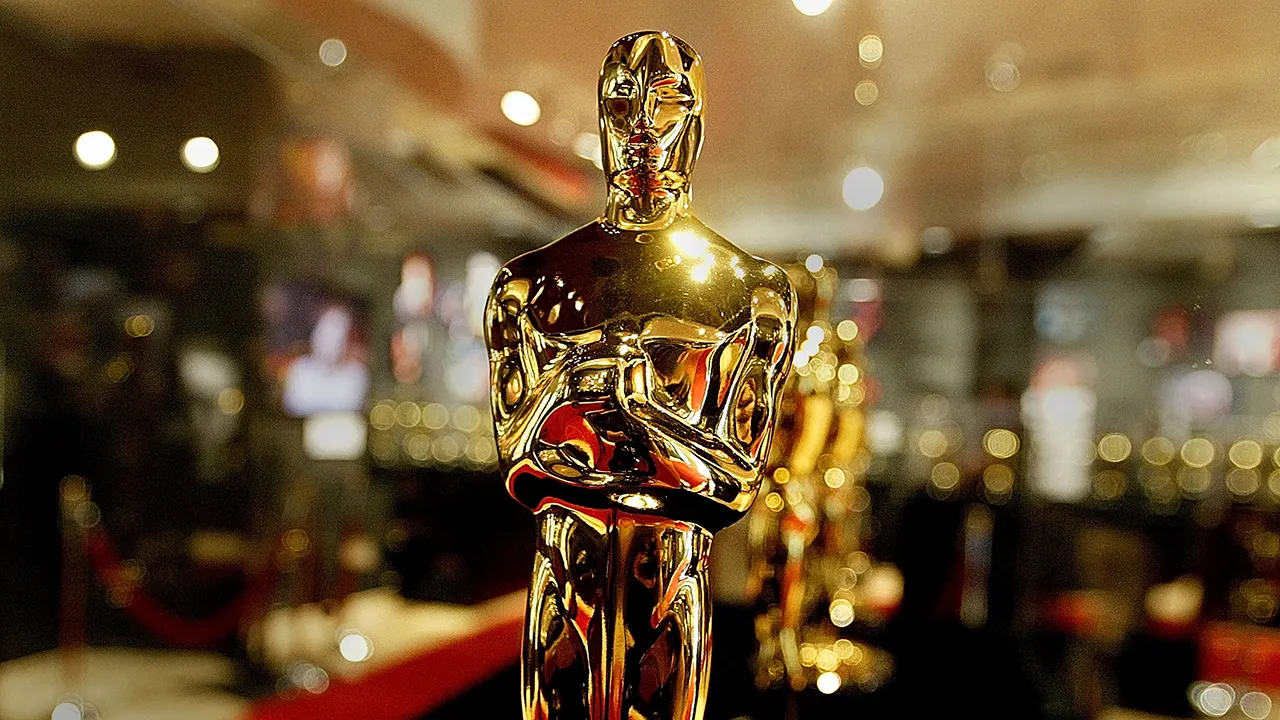
Are the Oscars Losing Touch? An Expert’s Take on Diversity and Audience Disconnect
As the Oscars conclude another year, the ceremony faces scrutiny regarding its relevance and connection with mainstream audiences. While the Academy Awards have long been a hallmark of cinematic excellence, they now grapple with questions surrounding diversity, equity, and inclusion (DEI) initiatives. Are the Oscars losing touch with the very audience they seek to engage? This article explores the intersection of these issues and how they might reshape Hollywood’s most prestigious night.
The Shifting Landscape of the Oscars
Historically, the Oscars have celebrated artistic achievement in film, but the landscape has shifted dramatically in recent years. With increasing awareness of social justice issues and a demand for representation, the Academy has implemented DEI initiatives aimed at broadening the scope of its recognition. However, the question remains: are these changes translating into a more inclusive and engaging experience for the audience?
In recent years, the Academy has made concerted efforts to diversify its voting membership. The introduction of new eligibility requirements for Best Picture nominees, which include criteria related to on-screen representation and inclusion in creative leadership, signifies an important step toward embracing a wider array of voices in storytelling. Yet, critics argue that these efforts have not sufficiently resonated with viewers, leading to a disconnection between the ceremony and the broader public.
The Impact of Diversity on Audience Engagement
Diversity in film is not merely about representation but also about the stories being told. Audiences today are more attuned to narratives that reflect their own experiences. The disconnect between the Oscars and mainstream viewers can be traced back to the types of films that are often nominated. Many films that receive nominations may not resonate with the average moviegoer, leading to a perception that the Oscars celebrate an elite selection of films rather than those that are widely appreciated.
- Changing Tastes: As viewers’ tastes evolve, the Academy must adapt its criteria and recognition practices to reflect contemporary preferences.
- Broader Representation: Films that explore diverse narratives often garner significant box office success. Acknowledging and celebrating these stories at the Oscars could help bridge the gap with audiences.
Audience Disconnect: A Growing Concern
One of the most pressing issues facing the Oscars is a growing audience disconnect. Over the years, viewership numbers have steadily declined, leading to concerns about the ceremony’s relevance. Several factors contribute to this phenomenon:
- Changing Viewing Habits: The rise of streaming platforms has altered how audiences consume film. Many viewers prefer watching films at home over attending theaters, which affects their engagement with award shows.
- Familiarity with Nominations: The Oscars often honor films that, while critically acclaimed, may not be widely recognized or appreciated by the general public. This can lead to a lack of investment in the outcomes of the awards.
- Perceived Elitism: For many, the Oscars can feel like an exclusive club that celebrates films not relevant to the average viewer’s life. This perception can alienate potential audiences.
Reimagining the Oscars: A Path Forward
To address these challenges, the Oscars must undergo a transformation that embraces both diversity and audience engagement. Here are several strategies that could help reshape the future of the ceremony:
- Broaden the Scope of Nominations: Expanding the criteria for nominations to include a wider array of genres and filmmakers could help the Oscars resonate with a broader audience. Recognizing popular films alongside critical darlings may foster greater interest.
- Interactive Audience Engagement: Incorporating elements like real-time voting or social media interaction could make viewers feel more connected to the ceremony. Engaging audiences through platforms they already use could enhance their investment in the Oscars.
- Highlighting Diverse Storytelling: Showcasing films that tell diverse stories is essential. Celebrating films that reflect various cultures, backgrounds, and experiences can help create a more inclusive atmosphere.
The Role of Media and Public Perception
Media coverage plays a crucial role in shaping public perception of the Oscars. Positive narratives around diversity and inclusion can bolster the ceremony’s image, while negative portrayals can exacerbate feelings of disconnect. It’s essential for both the Academy and the media to work collaboratively to highlight the significance of DEI initiatives and their impact on the broader cinematic landscape.
Moreover, storytelling in media can help bridge the gap between the Oscars and the audience. By focusing on the personal stories of filmmakers and actors who represent underrepresented communities, the media can create a more relatable narrative around the awards. This human element can foster empathy and connection, drawing viewers back into the fold.
Looking Ahead: A Hopeful Future for the Oscars
While the Oscars may seem to be losing touch with the audience, there’s a silver lining. The ongoing dialogue about diversity and inclusion serves as a catalyst for change, prompting the Academy to reevaluate its practices and priorities. As the industry continues to evolve, so too must the Oscars adapt to reflect the diverse tapestry of voices that exist within cinema.
In conclusion, the Oscars have the potential to reshape their future by embracing diversity, equity, and inclusion initiatives while re-engaging with mainstream audiences. By broadening the scope of nominations, enhancing audience interaction, and promoting diverse storytelling, the Academy can create a more inclusive and relevant ceremony. The Oscars are not just about celebrating film; they are about celebrating the culture and stories that connect us all. With thoughtful changes, the Academy can reclaim its place as a significant and cherished event in the cinematic calendar.
See more CNET Live