
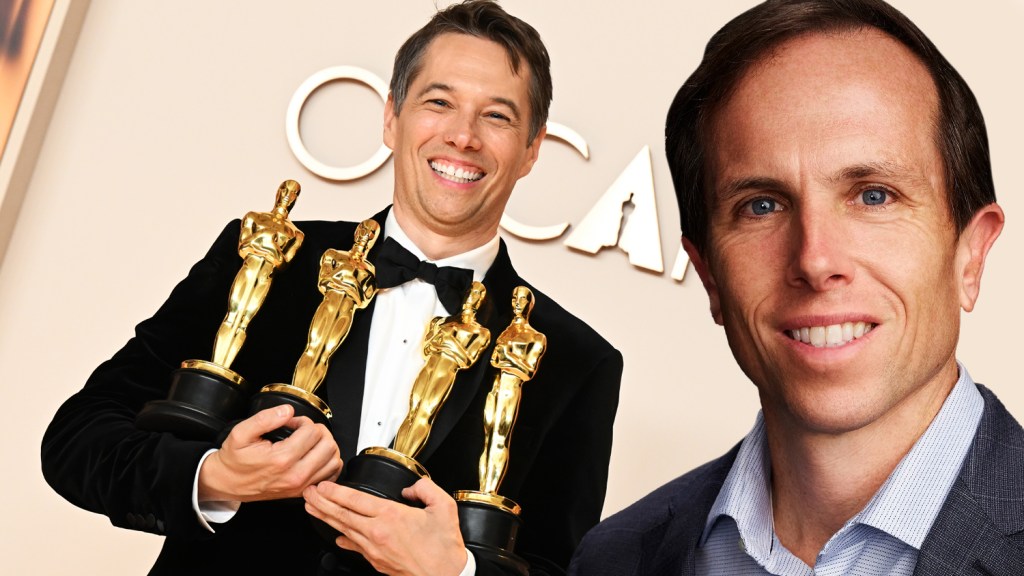
Behind the Scenes of the Oscars: Insights from Industry Insiders
The Oscars, officially known as the Academy Awards, remain one of the most revered events in the film industry. Each year, the glitz and glamour of Hollywood converge to celebrate cinematic achievements, but what truly happens behind the scenes? Rob Mills, a seasoned executive at ABC, offers a unique perspective on the unforgettable moments that shape this prestigious event. Furthermore, the artistic insights of filmmakers like Sean Baker provide a deeper understanding of the Oscars’ evolving narrative. This article uncovers the untold stories and dynamics that contribute to the Oscars’ allure, while also looking ahead at what the future may hold for this iconic ceremony, particularly as we approach 2026.
The Oscars: A Glimpse Behind the Curtain
For many, the Oscars are synonymous with glimmering gowns, heartfelt speeches, and golden statuettes. Yet, the reality of producing such a monumental event is a complex and arduous process. Rob Mills, who has been instrumental in shaping the Oscars’ format and presentation at ABC, shares insights that reveal the intricate planning and creativity involved.
- Months of Preparation: Organizing the Oscars begins long before the red carpet is rolled out. The process involves meticulous planning, from selecting the host to determining the layout of the venue.
- Engaging with Nominees: Mills emphasizes the importance of connecting with nominees and their representatives to ensure that their stories and achievements are highlighted during the broadcast.
- Technical Mastery: Behind every stunning visual presentation lies a team of skilled technicians and artists. Their collaboration ensures that every moment is captured perfectly, enhancing the overall viewer experience.
Mills reflects on how these behind-the-scenes efforts create unforgettable moments. “When we think back to iconic speeches or unexpected winners, those are often the result of collaborative storytelling,” he notes. This collaboration extends beyond the stage, reaching into the hearts of audiences worldwide.
Iconic Moments and Future Aspirations
Throughout its history, the Oscars have witnessed countless unforgettable moments—some humorous, others poignant. Rob Mills highlights a few that stand out in recent memory:
- Unexpected Wins: The surprise victories, such as when “Moonlight” took home the Best Picture award in 2017, demonstrate the unpredictability that keeps audiences on the edge of their seats.
- Emotional Speeches: Moments like Frances McDormand’s powerful call for inclusion and representation resonate deeply, reminding audiences of the broader conversations occurring within the industry.
- Live Performances: Musical performances during the ceremony, particularly those that celebrate the nominated songs, add an extra layer of excitement and engagement.
As Mills looks toward the future, he expresses aspirations for the Oscars to continue evolving. “We want to ensure that the Oscars reflect the diversity and richness of storytelling in cinema,” he shares. This commitment to inclusivity is vital as we move toward 2026, a year that holds particular significance for the Academy and its audience.
Artistic Statements by Sean Baker
Filmmaker Sean Baker, known for his innovative storytelling and unique cinematic style, provides another perspective on the Oscars. His films often challenge traditional narratives and highlight underrepresented voices. Baker emphasizes the importance of the Oscars as a platform for artistic expression.
“The Oscars should not just celebrate mainstream successes but also recognize the artistry in independent films,” he asserts. This sentiment aligns with the Academy’s ongoing efforts to broaden its scope and acknowledge a wider range of films and filmmakers.
Baker’s recent work emphasizes authentic storytelling, and he hopes that future ceremonies will continue to embrace this ethos. His artistic statements challenge the industry to reflect on its values and the narratives it chooses to elevate. As the Oscars prepare for upcoming years, including 2026, Baker’s insights resonate with advocates for change within the industry.
Nostalgic Hopes for 2026
Looking ahead to 2026, there’s a palpable sense of nostalgia intertwined with hope. The Oscars’ 100th anniversary is a significant milestone, prompting reflections on the past while inspiring visions for the future. Industry insiders, including Mills and Baker, share their thoughts on what this centennial celebration could encompass.
- Celebrating Diversity: The hope is to create a ceremony that not only honors past achievements but also showcases the diversity of talent that has emerged over the years.
- Innovative Formats: As technology evolves, there’s an opportunity to explore new formats and platforms for the Oscars, potentially reaching a broader audience beyond traditional television.
- Community Engagement: Engaging with local communities and global audiences can foster a deeper connection to the films being celebrated, transforming the Oscars into a more inclusive event.
As the film industry evolves, so too must the Oscars. The collective desire for change, articulated by industry insiders, reflects a growing recognition of the importance of inclusivity and representation.
Conclusion: The Future of the Oscars
Behind the scenes of the Oscars lies a rich tapestry of stories, collaborations, and aspirations. Insights from industry insiders like Rob Mills and filmmakers such as Sean Baker illuminate the complexities of this iconic event. As we anticipate the 2026 Oscars, the commitment to diversity, innovation, and authentic storytelling grows ever more vital. The Oscars have the potential to not only honor cinematic excellence but also to inspire future generations of filmmakers and audiences alike.
In the end, the true essence of the Oscars transcends the awards themselves; it celebrates the shared human experience through the art of film. As we look toward the future, let us embrace the stories yet to be told and the voices still to be heard.
See more CNET Live