
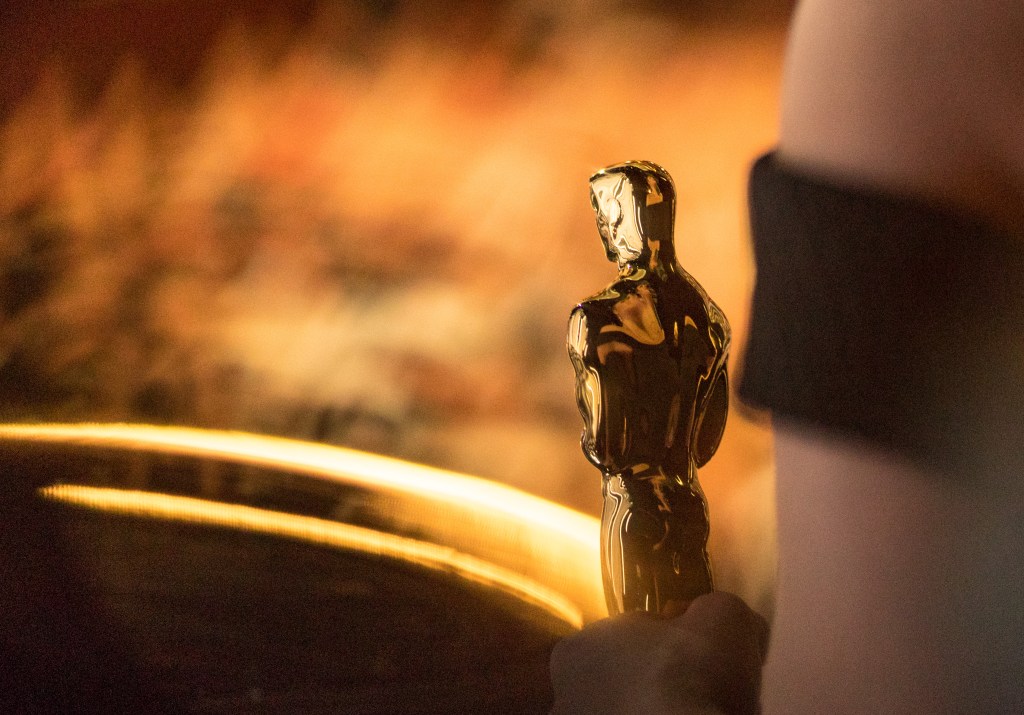
Oscars 2023: Innovations in Film Technology and a New Date for the Ceremony
The 2023 Oscars are shaping up to be a landmark event, not just for the stars and films nominated but also for the innovations that are driving the future of cinema. The Academy of Motion Picture Arts and Sciences recently announced its winners for the Sci-Tech Awards, highlighting groundbreaking advancements in film technology. Moreover, in a significant change, the ceremony has been rescheduled to late April, promising an exciting showcase that blends the glamour of Hollywood with the latest technological marvels. This article delves into the implications of these innovations and the reasons behind the new timing of the Oscars.
Innovations in Film Technology: A Closer Look
As we move deeper into the digital age, the film industry continues to evolve rapidly. The **Oscars 2023** will not only celebrate cinematic achievements but also honor the technological advancements that have transformed how stories are told on screen. This year, the Academy has introduced a prestigious statuette for captioning, recognizing the importance of accessibility in film. This move reflects a broader trend towards inclusivity, ensuring that films can be enjoyed by a wider audience.
- Artificial Intelligence (AI): AI technologies are increasingly being integrated into various stages of film production, from screenwriting to editing. AI can analyze scripts for potential audience engagement, suggest edits, and even create visual effects that were once labor-intensive.
- Virtual Reality (VR) and Augmented Reality (AR): These technologies are redefining storytelling by immersing audiences in the narrative. Films utilizing VR and AR can create experiences where viewers feel part of the story, enhancing emotional connections.
- High Dynamic Range (HDR) and 4K Resolution: The use of HDR and ultra-high-definition formats has become standard, allowing filmmakers to capture and present images with stunning clarity and color depth. This technology elevates the visual experience, making films more engaging.
The Significance of Captioning Technology
The introduction of a statuette for captioning reflects a significant shift in the industry, emphasizing the need for accessible content. Films are powerful tools for storytelling, and captions allow hearing-impaired viewers to engage fully with the narrative. This innovation is not just about compliance with regulations; it’s about creating an inclusive environment where everyone can appreciate the art of filmmaking. The Academy’s decision highlights a growing recognition that accessibility should be a priority in all forms of media.
A New Date for the Oscars Ceremony
The postponement of the Oscars ceremony to late April is a strategic move that could have several benefits. Traditionally held in February or early March, the Oscars have often faced stiff competition from other award shows and major film releases. By shifting the date, the Academy aims to carve out a unique space on the calendar, allowing for a more focused celebration of the year’s cinematic achievements.
This change also allows more time for the Academy to ensure that the event is not only star-studded but also rich in content. Producers can utilize this period to incorporate the latest innovations in film technology into the ceremony itself. From holographic presentations to immersive audience experiences, the 2023 Oscars could set a new standard for award shows.
Implications for the Film Industry
The **Oscars 2023** will undoubtedly set the tone for the future of filmmaking and the awards circuit. Here are some implications that may arise from this year’s event:
- Increased Investment in Technology: As filmmakers see the recognition and awards associated with technological advancements, there may be a surge in investment towards innovative tools and processes that enhance storytelling.
- Greater Emphasis on Accessibility: Following the Academy’s lead, more studios may prioritize accessibility in their productions, leading to a wider range of films that can be enjoyed by diverse audiences.
- Shifts in Audience Engagement: With the integration of technologies like VR and AR, filmmakers will need to think creatively about how to engage audiences both in theaters and at home, potentially changing marketing strategies and distribution models.
Looking Ahead: The Future of the Oscars
The Oscars have always been a reflection of the film industry’s evolution. As we approach the **Oscars 2023**, it’s clear that the intersection of technology and storytelling will play a critical role in shaping the future of cinema. The Academy’s recognition of innovations in film technology, coupled with its commitment to inclusivity through new awards for captioning, signals a promising direction for the industry.
As filmmakers continue to push the boundaries of what is possible, audiences can expect to see more diverse stories told through innovative mediums. The new date for the ceremony also allows for a more significant spotlight on these advancements, creating anticipation for how they will influence the films of tomorrow.
Conclusion
The **Oscars 2023** promises to be not just a celebration of cinematic excellence but also a showcase of how far the film industry has come in terms of technology and inclusivity. With the introduction of a prestigious statuette for captioning, the Academy is leading the charge towards a more accessible future, ensuring that everyone can partake in the magic of movies. As the ceremony moves to late April, it opens up a world of possibilities for filmmakers and audiences alike, making this year’s Oscars a must-watch event. The innovations in film technology are not just enhancing the way stories are told; they are transforming the very fabric of the film industry, paving the way for a more inclusive and dynamic cinematic landscape.
See more CNET Live