
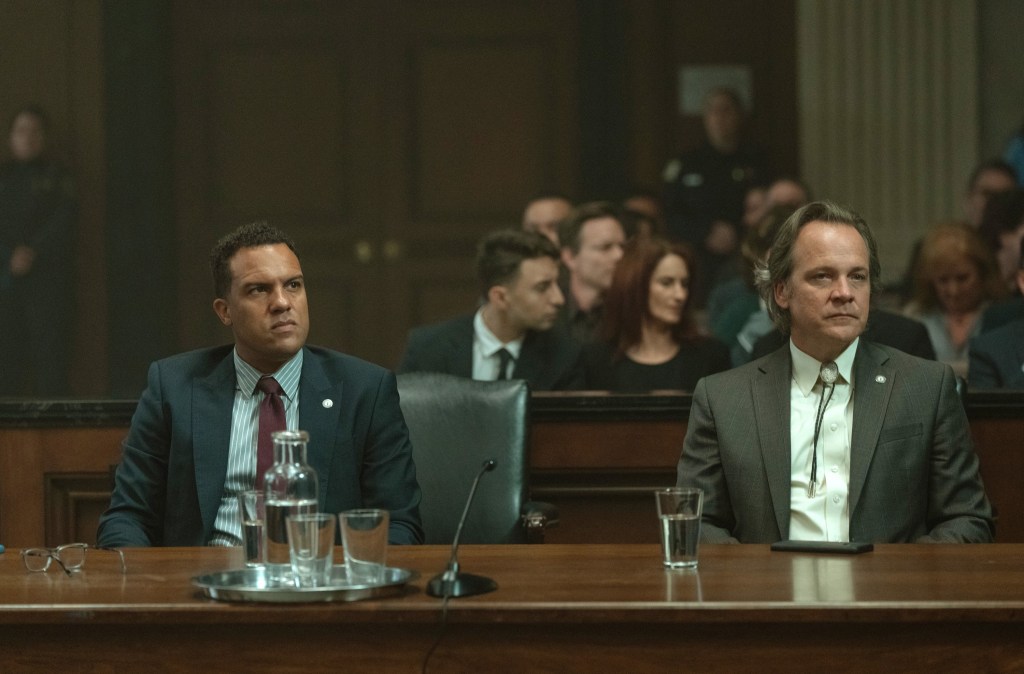
Understanding the Complexity of Accent in O-T Fagbenle’s Artistry
In an age where cultural identity is increasingly scrutinized and celebrated, the nuances of accent and how they influence performance have become critical discussions within the entertainment industry. O-T Fagbenle, a talented actor and producer, has emerged as a significant voice in this conversation. His unique accent serves not only as a defining feature of his identity but also as a lens through which he examines the intersections of race, culture, and artistry. In an exclusive interview, Fagbenle opened up about his experiences, challenges, and the joys that come with navigating his multifaceted identity in Hollywood.
The Power of Accent in Performance
Accents are more than just a way of speaking; they carry cultural significance and personal history. For actors like O-T Fagbenle, who has a Nigerian heritage and was raised in the UK, accents can represent the blending of identities. Fagbenle’s accent is distinctive, reflecting his upbringing and life experiences, which he believes adds depth to his performances.
According to Fagbenle, “My accent is a part of who I am. It tells a story of my background and influences the characters I portray.” This perspective raises important questions about representation in the entertainment industry. The pressure to conform to a homogenous standard can be overwhelming, particularly for actors of diverse backgrounds who may feel compelled to modify their accents to fit into stereotypical roles.
One of the most significant challenges that Fagbenle discusses is the expectation to adapt one’s accent for roles. This expectation reflects a broader issue within the industry, where authenticity can often be sacrificed for the sake of marketability. Fagbenle recalls instances where he was encouraged to alter his accent to appeal to a wider audience, but he chose to stay true to his roots. “I believe in the power of authenticity,” he states. “When I embrace my accent, I can bring a genuine representation of my characters to life.”
- Pressure to Conform: Many actors face the dilemma of whether to change their accents for roles. This often leads to a loss of cultural authenticity.
- Impact on Roles: Fagbenle’s decision to retain his accent has allowed him to take on diverse roles that reflect his background, showcasing the richness of his culture.
- Industry Perceptions: The entertainment industry is evolving, but lingering biases regarding accents can affect casting decisions.
Embracing Dual Heritage in Performance
Fagbenle’s journey through identity is emblematic of a larger trend within the arts, where multicultural backgrounds are increasingly embraced. He emphasizes that embracing his dual heritage opens up new avenues for creativity. By showcasing the complexities of his background, he is able to challenge stereotypes and broaden the narrative scope in his performances.
His recent roles, including those in high-profile series like “The Handmaid’s Tale” and “Maxxx,” demonstrate a commitment to portraying layered, multifaceted characters. These roles often reflect the struggles of cultural identity, allowing Fagbenle to bring authenticity to his characters’ experiences.
The Broader Implications of Accent in the Arts
The discussion surrounding accents in performance art extends beyond individual experiences; it reflects broader societal issues. As audiences become more diverse, the demand for authentic representation grows. This has sparked a conversation about the importance of casting actors who can bring genuine cultural perspectives to their roles.
Moreover, the rise of streaming platforms has disrupted traditional casting processes, allowing for a wider array of voices and accents to be heard. This shift has the potential to empower actors like Fagbenle, who can now portray characters that resonate with their lived experiences, rather than being relegated to token roles.
Future Directions in Identity and Artistry
As Fagbenle continues to navigate his career, he remains hopeful about the future of representation in the industry. He advocates for more opportunities for actors from diverse backgrounds to tell their stories authentically. “It’s about creating space for voices that have been historically marginalized,” he notes. “The more we embrace diversity in our storytelling, the richer the narratives become.”
This sentiment is echoed by many in the industry who recognize that embracing accents and cultural identities can lead to more dynamic storytelling. By allowing actors to portray characters that reflect their own experiences, the industry can dismantle stereotypes and foster greater understanding among audiences.
Conclusion: The Journey Forward
O-T Fagbenle’s reflections on his accent serve as a microcosm of the larger conversation about cultural identity in the arts. His journey highlights the challenges faced by actors navigating a landscape that often demands conformity while simultaneously yearning for authenticity. As the industry evolves, Fagbenle’s commitment to embracing his accent and heritage is a powerful reminder of the importance of representation.
In a world that increasingly values diversity, the complexities of accent and identity will continue to play a crucial role in shaping the narratives we tell. By celebrating the richness of individual backgrounds, the entertainment industry can create a more inclusive and dynamic landscape, one where every voice matters and every story is told.
See more CNET Live