
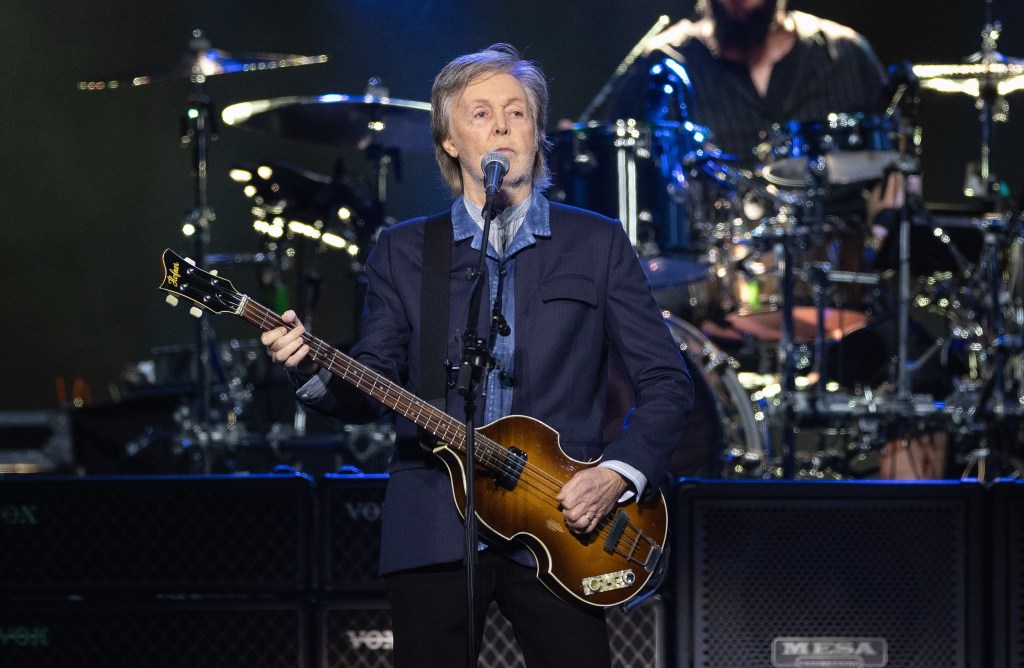
Paul McCartney Advocates for Legal Protections Against AI in the Music Industry
In a world increasingly dominated by technological advancements, the music industry stands at a crossroads, facing challenges that could redefine creativity and copyright. Legendary musician Paul McCartney has emerged as a vocal advocate for robust legal protections against the encroaching influence of artificial intelligence (AI) in music. His impassioned plea raises critical discussions regarding the future of creativity, the integrity of artistic expression, and the need for a legal framework that protects songwriters from the potential threats posed by AI.
Understanding the AI Threat to Music
Artificial intelligence has the remarkable capability to analyze vast amounts of data, mimicking human creativity in various fields, including music. AI can generate compositions, replicate styles, and even produce songs that sound strikingly similar to those created by renowned artists. This technological prowess, while impressive, raises significant concerns:
- Copyright Infringement: AI-generated music can closely resemble existing songs, leading to potential legal disputes over ownership and originality.
- Devaluation of Human Creativity: When machines can produce music, it may lead to a perception that human creativity is less valuable, undermining the work of songwriters.
- Economic Impact: The rise of AI in music could disrupt traditional revenue models, affecting artists, songwriters, and the entire music ecosystem.
McCartney’s advocacy emphasizes the urgency of addressing these issues before they escalate further. He believes that without appropriate legal frameworks, the very essence of songwriting and artistic integrity could be compromised.
Paul McCartney’s Perspective on Copyright and Creativity
As a seasoned musician with decades of experience, McCartney understands the intricacies of songwriting and the effort it entails. In his view, protecting the rights of artists is paramount. During a recent interview, he articulated his concerns, stating, “We need to establish laws that ensure songwriters are protected from AI encroachment. Creativity should remain a human endeavor.” His words resonate with many within the industry who fear that AI could overshadow the unique artistry that defines music.
McCartney’s position is not merely about preserving his legacy; it reflects a broader concern for future generations of artists. If AI continues to evolve unchecked, the landscape of music could shift dramatically, potentially diminishing the role of human songwriters.
The Need for Legal Protections Against AI in Music
To safeguard the rights of musicians and songwriters, McCartney advocates for the establishment of comprehensive legal protections. These measures could include:
- Clear Copyright Regulations: Laws should delineate the ownership of AI-generated music, ensuring that human creators retain rights over their original works.
- Royalties and Compensation Models: New frameworks should be developed to ensure fair compensation for artists whose work may be used as inspiration for AI compositions.
- Transparency in AI Usage: Music platforms and AI developers should disclose how AI is being utilized in music production, allowing for accountability and ethical considerations.
Such measures would not only protect individual artists but also preserve the integrity of the music industry as a whole. The goal is to create a balanced ecosystem where human creativity and technological innovation can coexist harmoniously.
Embracing Technology While Protecting Creativity
While McCartney’s advocacy centers around legal protections, he also recognizes the potential benefits of AI in music. Technology can serve as a powerful tool for creativity. For example, AI can assist songwriters in generating new ideas, enhancing production capabilities, and expanding the possibilities of musical exploration. The challenge lies in finding a balance between embracing innovation and protecting artistic rights.
McCartney’s perspective encourages artists to harness technology without compromising their creative integrity. By establishing legal frameworks, the industry can foster an environment where AI serves as a collaborator rather than a competitor. This approach could lead to exciting new forms of music that blend human creativity with technological advancements.
Industry Response to AI and Legal Protections
McCartney’s call for legal protections is echoed by various industry stakeholders. Organizations such as the Songwriters Guild and the Recording Academy have begun to address the implications of AI in music. Discussions about copyright reform and the need for updated regulations are gaining momentum as the industry grapples with the rapid pace of technological change.
In addition, many artists are advocating for collective action. By uniting voices within the music community, songwriters and musicians can amplify their concerns and push for meaningful change. McCartney’s leadership in this movement serves as an inspiration for many, demonstrating the importance of standing up for artistic rights.
The Future of Music: A Collaborative Approach
As we look to the future of music, it’s essential to adopt a collaborative mindset. The intersection of human creativity and artificial intelligence presents both challenges and opportunities. McCartney’s advocacy for legal protections highlights the necessity of ongoing dialogue among artists, technologists, and lawmakers.
To navigate this new terrain, the music industry must:
- Engage in Open Conversations: Regular discussions between artists, technologists, and legal experts can lead to a better understanding of the implications of AI in music.
- Develop Educational Resources: Providing artists with information about AI technologies can empower them to leverage these tools ethically and creatively.
- Encourage Innovation within Boundaries: By establishing clear guidelines, the industry can promote innovation while protecting the rights of creators.
Paul McCartney’s passionate plea for legal protections against AI in the music industry serves as a critical reminder of the importance of safeguarding creativity. As technology continues to evolve, it is imperative that we prioritize the rights of songwriters and foster an environment where human artistry can thrive alongside technological advancements. Through collaboration, advocacy, and legal reform, the music industry can navigate the complexities of AI while preserving the heart and soul of what makes music meaningful.
See more CNET Live