
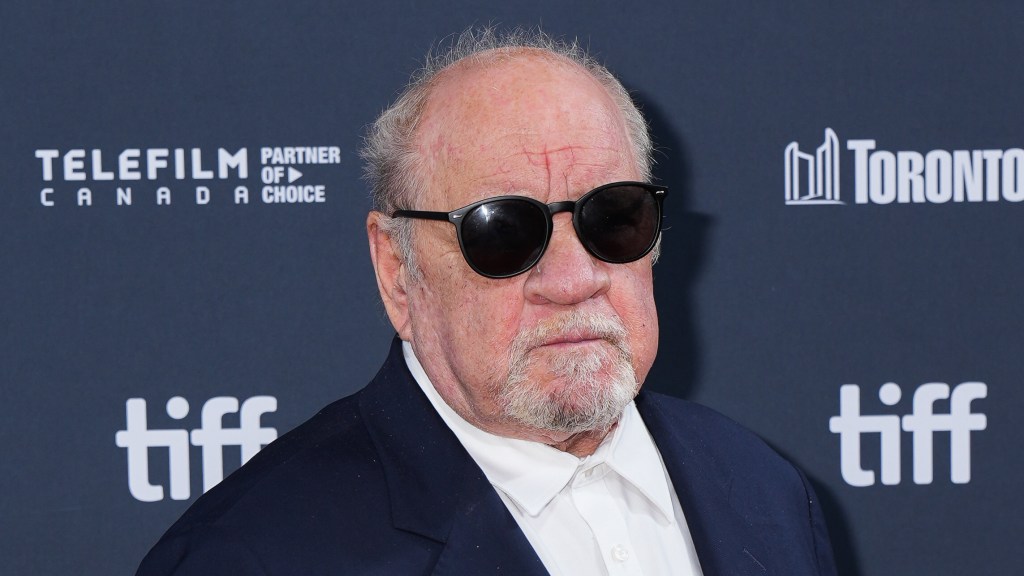
Paul Schrader Explores the Potential of ChatGPT in Crafting Original Screenplays
In a world increasingly influenced by technology, renowned filmmaker Paul Schrader has taken a bold step into the realm of artificial intelligence, particularly focusing on ChatGPT’s capabilities in generating intricate and original movie scripts. With a career spanning decades and a reputation for pushing cinematic boundaries, Schrader’s exploration of AI-generated storytelling raises significant questions about the future of filmmaking and the role of human creativity in an age of digital innovation.
The Intersection of AI and Storytelling
The emergence of AI technologies has transformed various industries, and the film sector is no exception. ChatGPT, an advanced language model developed by OpenAI, is at the forefront of this transformation. It can process vast amounts of information, learn patterns in language, and generate coherent text that mimics human writing. This capability presents unique opportunities for screenwriters and filmmakers.
Schrader, known for his works such as “Taxi Driver” and “First Reformed,” is fascinated by how AI can assist in the creative process. He believes that while machines may never fully replace human storytellers, they can serve as valuable tools that enhance creativity and exploration in scriptwriting. By analyzing the narratives and styles of countless films, ChatGPT could help generate ideas that a human writer might not have considered, pushing the boundaries of traditional storytelling.
Understanding ChatGPT’s Capabilities
To appreciate the potential of ChatGPT in crafting original screenplays, it’s essential to understand its underlying technology. ChatGPT is designed to understand context, generate responses based on prompts, and create text that aligns with the user’s intent. Here are some of its key features:
- Contextual Awareness: ChatGPT can maintain context across conversations, allowing it to generate dialogue and plot points that are coherent and relevant.
- Creative Language Generation: The model can produce unique phrases, character dialogue, and descriptive scenes, making it a valuable asset in brainstorming sessions.
- Adaptability: Writers can guide ChatGPT’s output by providing specific genres, themes, or character traits, ensuring the generated content aligns with their vision.
These capabilities can help filmmakers like Schrader explore new narrative styles, experiment with unconventional story arcs, and even develop character backstories in ways that may not have been possible through traditional methods.
Schrader’s Insights on AI-Driven Creativity
In interviews and public discussions, Schrader has articulated his thoughts on the balance between human intuition and machine-generated content. He emphasizes that while AI can assist in generating ideas, the essence of storytelling lies in human experience, emotion, and perspective. Here are some of his key insights:
- AI as a Collaborative Partner: Schrader views AI as a collaborator rather than a competitor. He believes that human writers can leverage AI to overcome creative blocks and explore new narrative possibilities.
- The Risks of Over-Reliance: He cautions against becoming overly reliant on AI-generated content. Schrader argues that the most compelling stories often arise from personal experiences and emotional truths that only human writers can provide.
- Ethical Considerations: As AI technologies evolve, ethical questions arise regarding authorship and originality. Schrader advocates for a thoughtful approach to integrating AI into the creative process, ensuring that the human touch remains central to storytelling.
The Future of Storytelling in Cinema
As the film industry grapples with the implications of AI, Schrader’s exploration of ChatGPT serves as a catalyst for broader discussions about the future of storytelling. Several key trends are emerging:
- Hybrid Screenwriting: The combination of human creativity and AI assistance could lead to a new genre of storytelling. Writers might use AI to generate initial drafts or brainstorm ideas, refining the output through their unique voice and vision.
- Personalized Storytelling: With advancements in AI, filmmakers may soon be able to craft personalized narratives that adapt to audience preferences, enhancing engagement and emotional connection.
- Interactive Cinema: AI technologies could pave the way for interactive films where audience choices influence the storyline, creating a dynamic viewing experience that goes beyond traditional linear narratives.
Challenges and Considerations
Despite the exciting potential of ChatGPT and similar AI technologies, there are challenges and limitations that need to be addressed. Some of the primary concerns include:
- Quality Control: While AI can generate content quickly, the quality and depth of storytelling may vary. Human oversight is crucial to ensure that narratives resonate with audiences.
- Intellectual Property Issues: As AI generates content, questions arise about who owns the rights to the work. Establishing clear guidelines will be vital as the industry evolves.
- Preserving Human Emotion: The most impactful stories often stem from genuine human experiences. Ensuring that AI complements rather than replaces human emotion in storytelling is essential.
Conclusion: A New Era of Storytelling
Paul Schrader’s exploration of ChatGPT in crafting original screenplays marks a significant moment in the intersection of technology and filmmaking. By embracing the potential of AI while safeguarding the essence of human creativity, filmmakers can navigate this new landscape effectively. The future of storytelling is likely to be a blend of human intuition and technological innovation, offering audiences fresh narratives that challenge conventions and inspire new ways of thinking.
As we stand on the brink of this transformative era, it is crucial to engage in thoughtful discussions about the role of AI in creative industries. With visionary filmmakers like Schrader leading the charge, the cinematic landscape is poised for exciting developments that celebrate both human creativity and the advantages of artificial intelligence.
See more CNET Live