
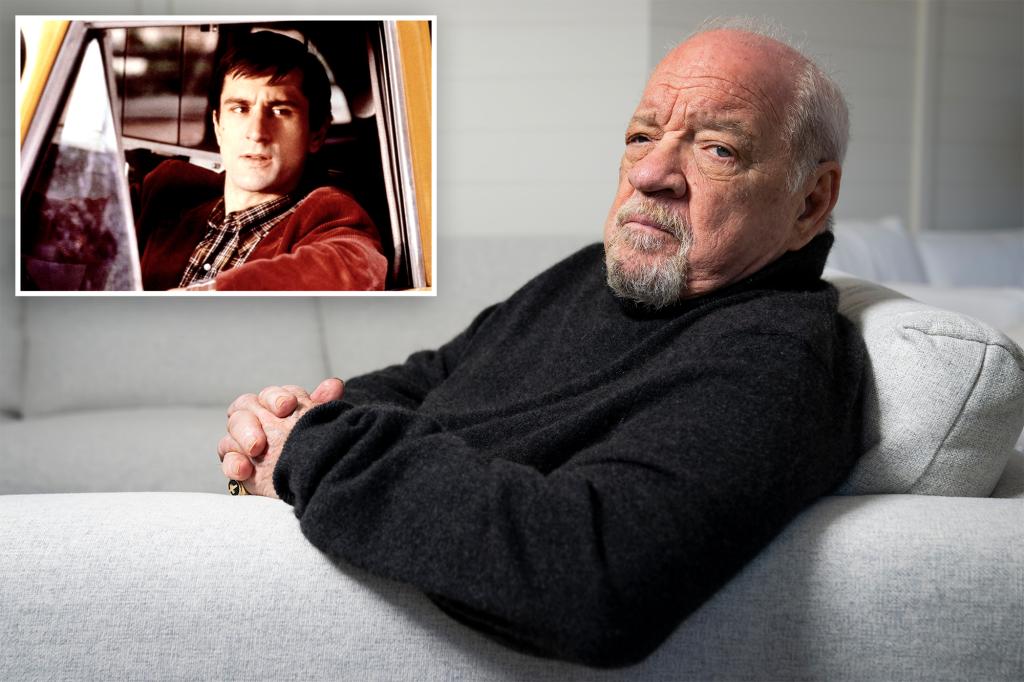
Allegations Surface: Paul Schrader’s Ex-Assistant Accuses Him of Sexual Assault
In a bombshell revelation, a former assistant to renowned screenwriter and director Paul Schrader has accused him of sexual assault and breaching a confidential settlement agreement. The allegations, made public on Tuesday, have sent shockwaves through Hollywood, reigniting conversations about power dynamics and accountability in the entertainment industry. The accuser, whose identity remains protected, claims the incidents occurred during her employment in 2018-2019.
Detailed Allegations and Broken Agreement
The former assistant alleges Schrader, 77, engaged in unwanted sexual advances and coercive behavior during her tenure. Court documents reveal she initially reached a $500,000 settlement with Schrader in 2020, but claims he has only paid $250,000 to date. Legal experts suggest this breach could significantly strengthen her case if litigation proceeds.
“When powerful figures violate settlement terms, it often indicates deeper patterns of disregard,” noted employment attorney Miranda Crosswell. “Courts take such breaches extremely seriously, especially in #MeToo era cases.”
Key allegations include:
- Multiple instances of inappropriate touching and comments
- Retaliation when boundaries were established
- Pressure to sign an NDA under duress
Industry Reactions and Schrader’s Response
Schrader’s representatives issued a terse statement: “Mr. Schrader denies all allegations of misconduct. This matter involves a contractual dispute being weaponized.” However, the statement provided no explanation for the unpaid settlement balance.
The news has divided Hollywood circles. While some colleagues expressed shock, others noted whispers about Schrader’s behavior have circulated for years. “There’s often smoke before these fires become public,” remarked film historian David Thompson. “The industry’s reckoning remains incomplete.”
Broader Context: Entertainment Industry Accountability
These allegations emerge amid ongoing scrutiny of Hollywood’s power structures. According to a 2023 UCLA study:
- 42% of entertainment workers report experiencing harassment
- Only 28% filed formal complaints, fearing career repercussions
- NDAs remain prevalent in 89% of harassment settlements
Labor advocate Teresa Moreno commented: “These cases reveal systemic flaws. Assistants—often young women—remain particularly vulnerable to predation by powerful mentors.”
Legal Precedents and Potential Outcomes
The case’s trajectory may hinge on California’s Silenced No More Act, which since 2022 has invalidated NDAs covering sexual assault claims. Legal analysts suggest the unpaid settlement could allow the accuser to void the entire agreement and pursue new legal action.
Potential developments include:
- Civil litigation for the remaining settlement funds
- A new lawsuit for emotional damages
- Industry guilds reviewing Schrader’s membership status
Impact on Schrader’s Career and Legacy
The acclaimed writer of Taxi Driver and director of First Reformed faces immediate professional consequences. The Criterion Collection has paused a planned Schrader box set, while his upcoming project with A24 is reportedly under review. Film scholars debate how such allegations affect artistic legacies.
“We must separate art from artist, but not accountability from influence,” argued cinema studies professor Lauren Wright. “The industry cannot champion reform while protecting its own.”
Next Steps and Ongoing Reckoning
As the entertainment industry grapples with yet another #MeToo allegation, all eyes turn to whether systems will change or protect the status quo. The accuser’s legal team indicates they will file additional documents next week. Meanwhile, advocacy groups urge studios to:
- Reform reporting structures for harassment claims
- Limit NDA use in misconduct cases
- Establish clearer mentor-assistant boundaries
This developing story underscores Hollywood’s unfinished journey toward accountability. For those affected by workplace harassment, resources remain available through organizations like Time’s Up and RAINN. As more survivors come forward, the industry faces increasing pressure to transform its culture rather than manage its PR.
See more CNET Live