
Unveiling Hidden Treasures: Picasso’s Masterpieces Make Their Iranian Debut
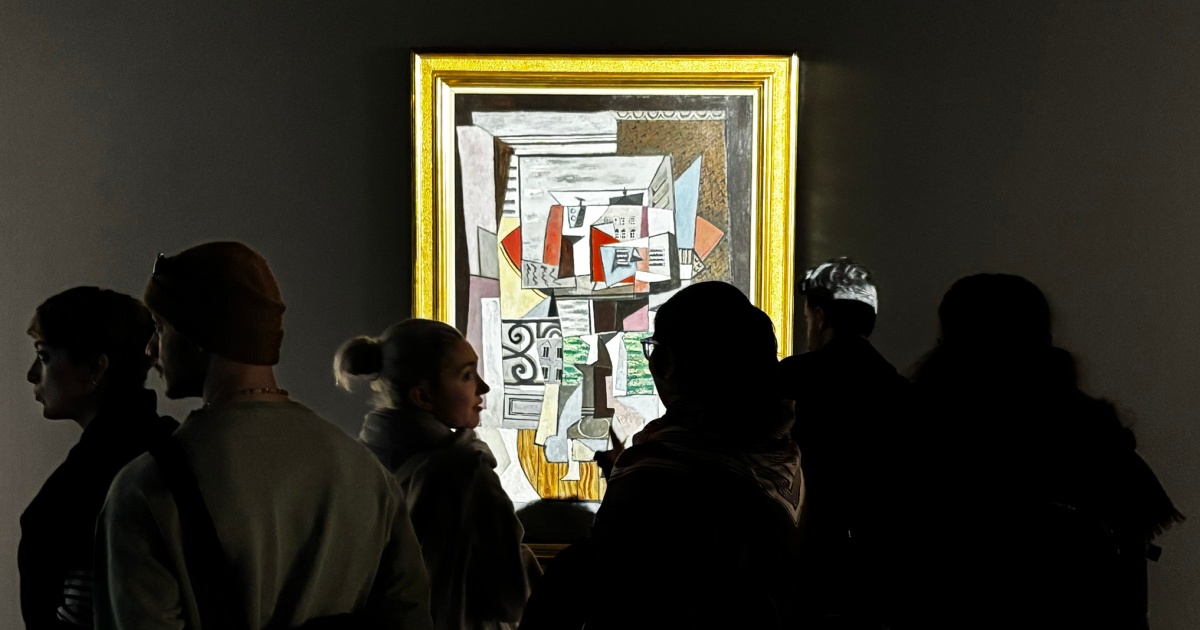
For the first time in decades, a collection of Picasso’s masterpieces emerges from obscurity, captivating art enthusiasts in Iran. This historic exhibition promises to reveal the profound impact of the artist’s work on a new generation of admirers. The unveiling of these hidden treasures not only marks a significant cultural event for the nation but also highlights the universal language of art that transcends borders. In this article, we’ll explore the significance of this exhibition, the masterpieces on display, and the implications for both Iranian and international art communities.
The Significance of Picasso’s Art in Iran
Picasso is often regarded as one of the most influential artists of the 20th century, with a legacy that has shaped the course of modern art. His innovative approaches to form, color, and perspective have inspired countless artists and movements. The arrival of Picasso’s masterpieces in Iran is particularly significant for several reasons:
- Cultural Exchange: This exhibition fosters a dialogue between Iranian culture and Western artistic movements, showcasing how art can bridge divides.
- Inspiration for Local Artists: Exposure to such iconic works can inspire Iranian artists, encouraging them to explore new techniques and ideas.
- Historical Context: The exhibition provides a platform to discuss the evolution of art in relation to social and political changes, both in Iran and globally.
Exploring the Collection
The collection features a wide array of Picasso’s works, ranging from his early Blue Period to his later, more abstract pieces. Some highlights include:
- Les Demoiselles d’Avignon (1907): A groundbreaking work that marked the beginning of Cubism, showcasing Picasso’s radical departure from traditional representation.
- Guernica (1937): Although the original is housed in Madrid, this exhibition includes studies and prints related to this monumental anti-war piece, resonating deeply in a region often affected by conflict.
- The Weeping Woman (1937): An emotional portrayal that reflects the anguish of war, connecting with Iranian audiences who have experienced their own struggles.
Each piece serves as a conversation starter, prompting visitors to reflect on the themes of suffering, identity, and transformation that are prevalent in both Picasso’s work and the contemporary Iranian narrative.
Impact on the Iranian Art Scene
The introduction of Picasso’s masterpieces to Iranian soil is more than just an exhibition; it represents a potential turning point for the Iranian art scene. Here are a few ways the exhibition might impact local artists and audiences:
- Encouraging Artistic Innovation: Artists may feel inspired to experiment with styles and techniques after viewing Picasso’s diverse body of work.
- Educational Opportunities: Workshops and discussions surrounding the exhibition can provide invaluable learning experiences for students and emerging artists.
- Strengthening Art Institutions: Successful exhibitions like this can lead to increased support for galleries and museums, encouraging further investment in the arts.
The Role of Technology in the Exhibition
In our increasingly digital world, technology plays a crucial role in how art is experienced and appreciated. The Picasso exhibition in Iran utilizes cutting-edge technology to enhance visitor engagement:
- Virtual Reality Experiences: Visitors can immerse themselves in Picasso’s artistic process through VR installations that allow them to explore his studio and techniques.
- Interactive Displays: Touchscreens provide additional context and information about each piece, enriching the visitor experience.
- Social Media Integration: Art lovers can share their experiences and connect with others online, expanding the exhibition’s reach beyond physical boundaries.
Anticipated Challenges and Considerations
While the exhibition is poised to be a resounding success, it is not without potential challenges. Some considerations include:
- Censorship and Interpretation: The interpretation of certain works may be influenced by cultural perspectives, and some pieces might provoke discussions that challenge societal norms.
- Logistical Hurdles: Transporting valuable artworks requires meticulous planning to ensure their safety and preservation.
- Audience Engagement: Ensuring that diverse audiences feel connected to the art will require thoughtful programming and outreach.
Connecting Generations Through Art
One of the most compelling aspects of bringing Picasso’s masterpieces to Iran is the opportunity to connect with younger generations. Many young Iranians are increasingly interested in global art movements and cultural exchanges. This exhibition serves as a gateway for them to explore not only Picasso’s work but also the broader context of modern art.
By fostering an appreciation for such masterpieces, the exhibition aims to cultivate a new generation of art enthusiasts and creators. Educational programs accompanying the display can facilitate discussions about art history, technique, and the importance of artistic expression in society.
Conclusion: A Celebration of Art and Culture
The unveiling of Picasso’s masterpieces in Iran is a momentous occasion that celebrates the power of art to transcend boundaries and connect people. As these hidden treasures emerge from obscurity, they remind us of the rich tapestry of human experience that art encapsulates. This exhibition not only honors Picasso’s legacy but also inspires a new generation to engage with art in meaningful ways.
As Iran opens its doors to these masterpieces, it also opens a dialogue about the role of art in society, the importance of cultural exchange, and the shared human experience. For art enthusiasts, local artists, and the general public alike, this exhibition is set to be a transformative experience, one that will resonate long after the last visitor has left the gallery.
See more CNET Live