
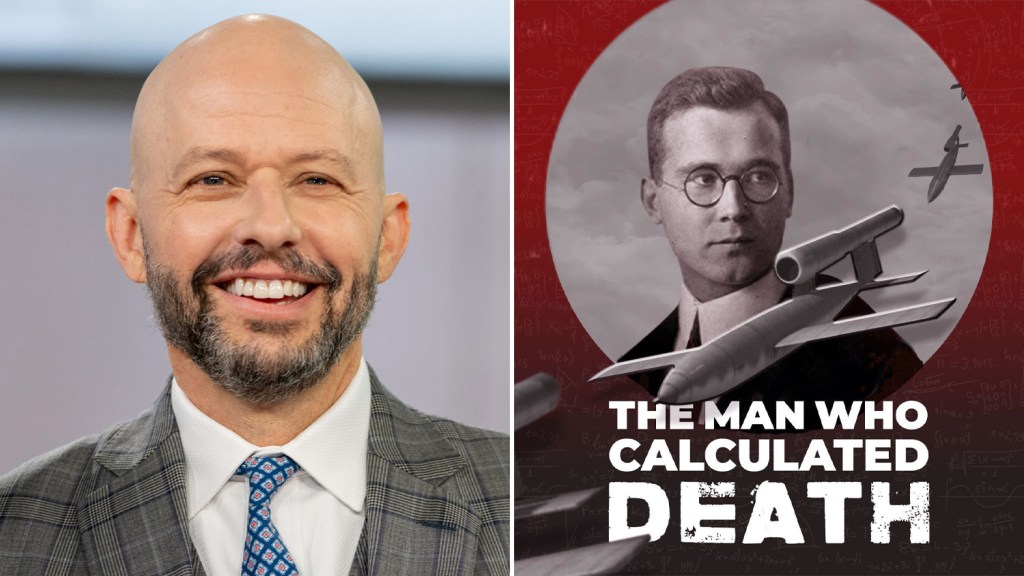
Award-Winning Podcast Explores the Dark Genius Behind a Nazi Missile Project
The world of podcasting has seen an explosion of interest in historical narratives, and one of the latest entrants is an award-winning series produced by Jon Cryer. This gripping podcast delves into the life of a scientist who played a pivotal role in developing a missile for Hitler during World War II. With its recent recognition through a prestigious Gracie Award, the podcast has not only captured the interest of history enthusiasts but has also sparked discussions about the complex moral dilemmas faced by those involved in wartime innovations.
Unraveling the Dark Genius
The podcast centers around the life and work of Wernher von Braun, a name synonymous with both groundbreaking aerospace advancements and the ominous shadow of Nazi Germany. Von Braun’s engineering genius led to the creation of the V-2 rocket, the world’s first long-range guided ballistic missile. While his contributions to space exploration later earned him accolades in the United States, the podcast does not shy away from examining the ethical implications of his wartime work.
Listeners are invited to explore the duality of von Braun’s legacy—his extraordinary technical skills juxtaposed against the morally reprehensible context in which he operated. Through a series of episodes, the podcast delves into the pressures of wartime innovation, the drive for success, and the ethical choices that scientists like von Braun were forced to face.
Contextualizing the War-Time Innovations
During World War II, the race for technological supremacy was fierce. The Nazi regime invested heavily in missile technology, aiming to develop weapons that could turn the tide of the war. Von Braun, initially a member of the Nazi Party and an SS officer, found himself at the center of these efforts. His work on the V-2 rocket was not just a scientific endeavor; it was a matter of national pride for Germany.
The podcast brings to light how von Braun’s ambition was fueled by a combination of personal aspirations and the demands of a totalitarian regime. As listeners engage with his story, they confront the unsettling reality that scientific progress sometimes comes at a staggering moral cost.
Ethical Dilemmas in Science and Warfare
One of the most compelling aspects of this podcast is its exploration of ethical dilemmas faced by scientists during wartime. The series raises important questions: How far should one go in the name of progress? What are the responsibilities of scientists when their work is co-opted for destructive purposes?
The podcast does an excellent job of framing these questions within the context of von Braun’s life. While he is celebrated for his later contributions to NASA and the Apollo Moon landing, the podcast reminds listeners that his innovations were initially designed for mass destruction. This juxtaposition serves as a powerful reminder of the dual-edged sword of technological advancement.
Personal Stories and Historical Perspectives
Listeners of the podcast are treated to a blend of expert interviews, historical narratives, and personal anecdotes that create a rich tapestry of understanding. Jon Cryer, as host and producer, brings a unique perspective, combining his passion for storytelling with a commitment to historical accuracy.
The podcast features interviews with historians, ethicists, and aerospace experts who provide depth to the narrative. They discuss not only von Braun’s impact on missile technology but also the broader implications of science in warfare. This multi-faceted approach allows listeners to grasp the complex interplay between innovation and morality.
Wernher von Braun: A Controversial Figure
Von Braun’s life is a study in contradictions. He was both a celebrated scientist and a controversial figure. After the war, he was brought to the United States through Operation Paperclip, a secret program that employed German scientists to advance American military technology. His later work contributed significantly to the U.S. space program, but his past continues to haunt his legacy.
The podcast does not shy away from addressing these contradictions. It examines the fine line between genius and complicity, encouraging listeners to grapple with the implications of von Braun’s choices. This exploration is particularly relevant today as society continues to confront the moral dimensions of scientific progress.
A Broader Reflection on Science and Ethics
The themes presented in this award-winning podcast extend beyond von Braun’s story. They serve as a poignant reminder of the ethical responsibilities that accompany scientific inquiry. As advancements in technology continue to evolve at a rapid pace, the lessons learned from history remain crucial.
For contemporary scientists and engineers, the podcast encourages reflection on the potential consequences of their work. The moral complexities inherent in developing technologies—whether they are weapons, artificial intelligence, or biotechnology—are issues that resonate strongly in today’s world.
Engaging the Audience: Interactive Features
One of the standout features of this podcast is its engagement with the audience. Listeners are encouraged to share their thoughts and reflections through social media platforms, fostering a community of dialogue around the themes presented. This interactivity not only enhances the listening experience but also helps to cultivate a deeper understanding of the moral implications of scientific advancements.
- Discussion Forums: The podcast creates spaces for listeners to discuss episodes and share insights.
- Expert Q&A: Listeners can submit questions to be answered by experts featured in the show.
- Educational Resources: The podcast provides links to articles, books, and documentaries for further exploration.
Conclusion: A Critical Reflection on Humanity’s Pursuit of Knowledge
The award-winning podcast exploring the dark genius behind a Nazi missile project is more than just a historical recount. It is a critical reflection on the nature of humanity’s pursuit of knowledge and the ethical responsibilities that accompany it. As listeners engage with the complexities of Wernher von Braun’s life, they are encouraged to confront the difficult questions of morality, progress, and the dual nature of scientific innovation.
In an era where technology continues to shape our world, this podcast serves as a timely reminder that with great power comes great responsibility. The stories of those who walked the thin line between innovation and ethical compromise are not just relics of the past; they are lessons for the present and the future. As we continue to explore the frontiers of science and technology, it is imperative that we remember the lessons learned from those who faced similar dilemmas before us.
See more CNET Live